Last updated October 15, 2026






Free written scope consultation - allowances, timeline, and change-order rules on paper before a single trade is scheduled
How to Hire a Construction Contractor in Fort Lauderdale: A Step-by-Step Guide
Florida receives more contractor fraud complaints per capita than nearly any other state, and Broward County is one of the hottest spots for it. The reason isn’t that Fort Lauderdale homeowners are careless. It’s that almost nobody knows there are two separate license databases to check before trusting a business card, and the second one is the one that actually matters. This guide walks through the verification sequence, the paperwork that protects your money, and the red flags that show up every hurricane season. For seasonal construction care tips for Fort Lauderdale, see our year-round homeowner’s guide. If you’re planning a kitchen remodel, a bathroom renovation, or a whole-home project in Fort Lauderdale, you need to know how to separate a licensed builder from a convincing story.
Quick Answer
To hire a construction contractor in Fort Lauderdale, verify an active Florida DBPR state license first, then confirm a current Broward County certificate of competency. Get a written scope of work with five specific line items before comparing bids, structure payments around completed milestones, and ask for the name and photo ID of every person who will enter your home, not just the contractor of record.
Styles & brands we work with

Table of Contents
- The Two-Database Verification: Florida DBPR and Broward County
- Why a Written Scope of Work Matters More Than the Price Quote
- How to Structure a Payment Schedule That Actually Protects You
- Florida Statute 713 and Your Lien Rights as a Homeowner
- Storm-Chaser Red Flags: Fort Lauderdale’s Post-Hurricane Pattern
- Crew Verification in Practice: Who Is Actually Coming to Your Door
- The 9 Questions to Ask Before Signing Anything
The Two-Database Verification: Florida DBPR and Broward County
Here is the step most Fort Lauderdale homeowners skip, and it is the one that causes the most damage. Florida requires contractors to hold a state license through the Department of Business and Professional Regulation, or DBPR. That is the license number printed on the side of the truck and the business card. But Broward County also requires its own local certificate of competency for many types of construction work. A contractor can hold an active state license and still be operating illegally in Fort Lauderdale if their county certificate has lapsed.
Here is the verification sequence, in order:
- Look up the state license at myfloridalicense.com. Search by the license number, not the company name. Company names are easy to spoof, and nearly identical names can appear in the same county. The DBPR record should show “Active” status, the license type matching the work you’re hiring for, and the qualifier’s name matching the person who signed your contract.
- Check the Broward County certificate of competency. Contact the Broward County Building Code Division or use their online records portal. Confirm the certificate is current, matches the same business entity, and covers the specific scope of work. A general contractor certificate does not automatically cover roofing, for example.
- Match the qualifier to the person doing the work. Florida licenses are held by individuals, not companies. The qualifier is the licensed professional whose name appears on the policy. In some Fort Lauderdale operations, the qualified license holder is a silent partner who never visits the job site. Ask directly: “Will the license holder be on site, and who is your designated supervisor if not?”
- Check for complaints and disciplinary actions. The DBPR portal lists past actions. Read them. One resolved complaint from ten years ago is not a dealbreaker. Three open complaints in the past eighteen months is a pattern.
- Verify insurance directly with the carrier. Request a certificate of insurance, then call the carrier to confirm the policy is active. We’ve seen insurance certificates in Fort Lauderdale that were edited in a PDF editor. A two-minute phone call catches that.
An active vs. expired record looks different: an active record shows a green “Active” status and a valid through date in the future. An expired record shows “Delinquent” or “Null and Void” in most cases, often with a notice that the policy has lapsed. If the record shows anything other than “Active,” do not sign anything, and do not pay a deposit.
This is the gate. Everything else in this guide assumes you have verified both records. Skip this step and nothing else you check will matter. Our team at Mason Remodeling Co Fort Lauderdale holds current licensing and certification for all work it performs, and we provide license and insurance documentation before any contract is sent.
Why a Written Scope of Work Matters More Than the Price Quote
A price quote tells you what the contractor thinks the job will cost. A scope of work tells you what the contractor will actually do for that money. For a detailed construction cost breakdown for Fort Lauderdale homeowners, see our 2026 reference guide. Those are not the same document, and in Fort Lauderdale, where remodels often involve older homes with hidden conditions, the difference determines whether your final bill matches the first number you saw.
We’ve seen homeowners compare three bids and pick the lowest one, only to discover later that the low bid left out the electrical rough-in, the permit fees, and the moisture barrier. The quote was lower because the scope was thinner. Comparing bids without comparing scopes is like comparing the price of two houses without looking at square footage.
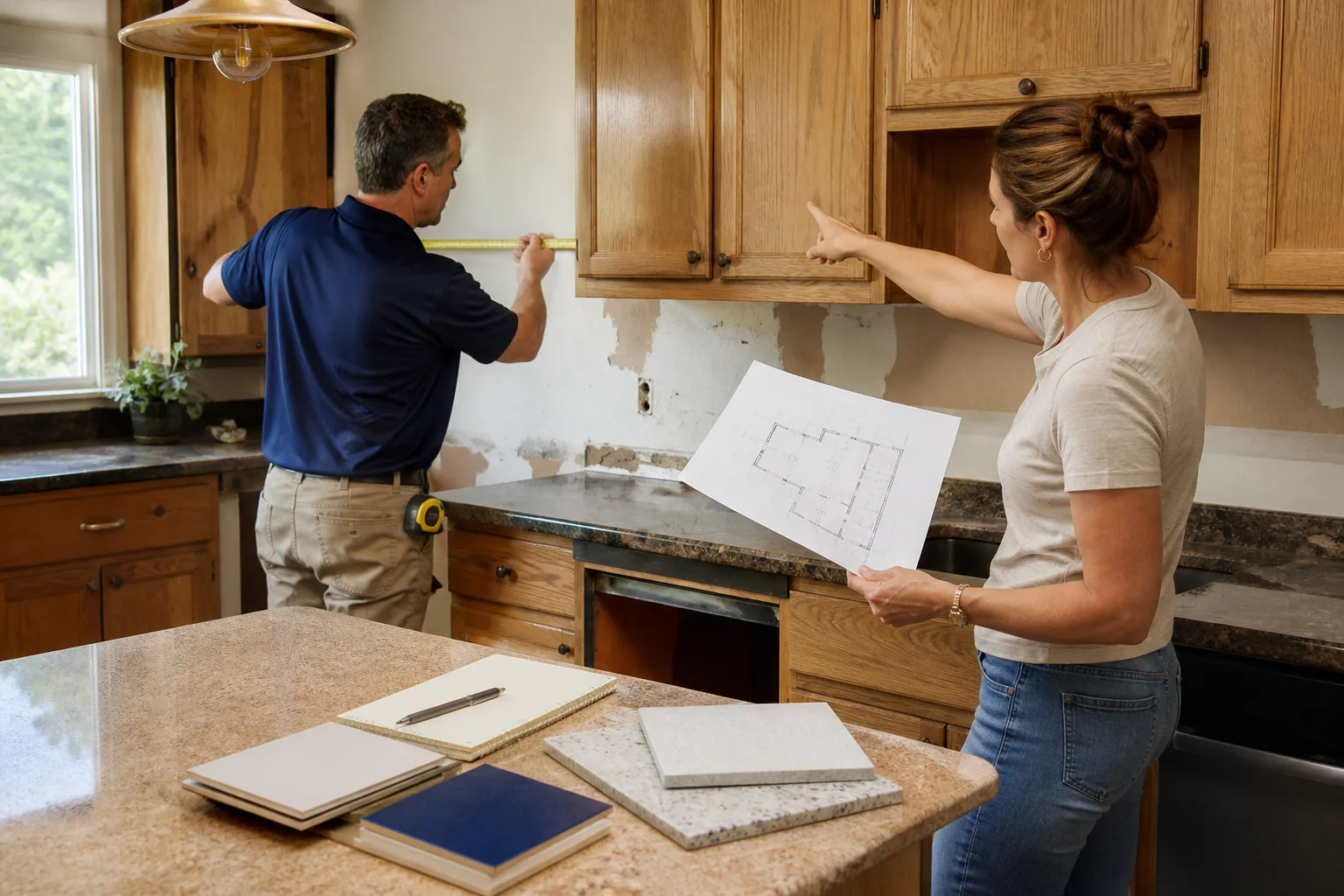
A legitimate written scope of work for a Fort Lauderdale remodel or renovation must include these five line items, at minimum:
- Specific materials with brands and model numbers. “Kitchen cabinets” is not a scope item. “Wellborn maple shaker cabinets, natural finish, with soft-close doors and drawers” is a scope item. For windows, this might be ES Windows or ECO Window Systems impact-rated units with specific sizes. Brand names protect you from material-swapping later.
- Exact quantities and dimensions. Square footage of tile, linear feet of countertop, number of windows, and the footprint of any added structure. Vague quantities are where change orders breed.
- Explicit permits and inspections. The scope must state who pulls permits, which permits are being pulled, and who is responsible for scheduling and passing inspections. In Fort Lauderdale, permits are required for nearly all structural work, and many remodels trigger additional Broward County requirements.
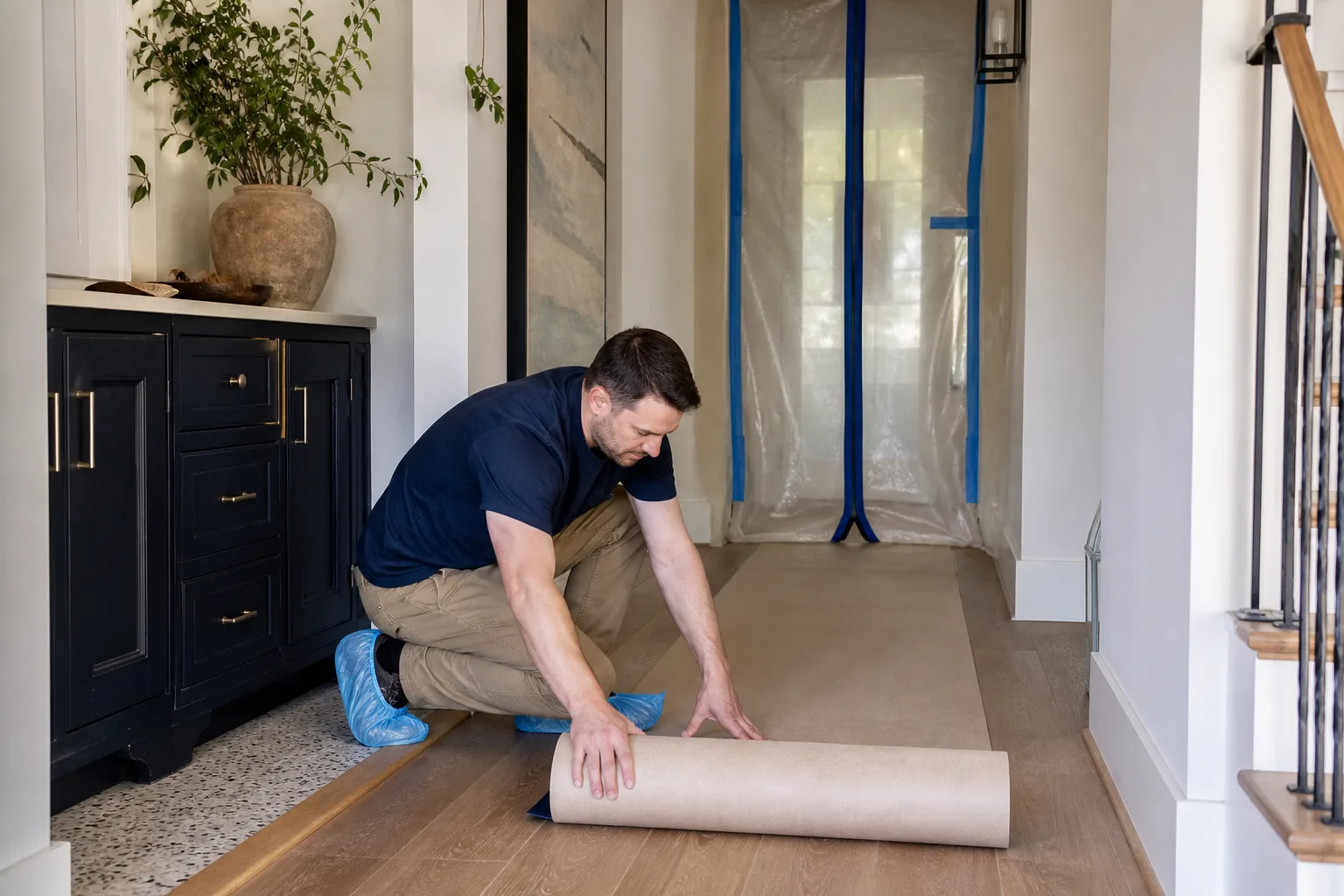
- Site preparation and protection. What happens to the existing floor, the landscaping, the driveway where the dumpster goes, and the dust that travels through a Fort Lauderdale home in July with the humidity holding it in the air. A scope that skips site protection is a scope written by someone who has never done the job.
- Exclusions, stated plainly. Every legitimate scope includes a section that says what is not included. Hidden rotted framing, discovered mold, outdated electrical panels. Without exclusions, assumptions become arguments.
At Mason Remodeling Co Fort Lauderdale, we deliver a written price before any work starts, and that price is based on a written scope. We don’t do verbal estimates that grow on the final bill. If a contractor in Fort Lauderdale won’t put the scope in writing before asking for a deposit, that is not a negotiation tactic. It’s a warning.
How to Structure a Payment Schedule That Actually Protects You
In Florida, the deposit and payment schedule is a negotiation, not a standard. Yet most Fort Lauderdale homeowners accept whatever the contractor’s contract says without pushing back. That is a mistake, because the payment schedule is your only ongoing leverage once the job starts.
Here is the schedule structure we recommend, and the one we find fair for both sides:
- Initial deposit: no more than 10% of the total contract price. Florida law caps deposits for many residential projects at 10% or $1,000, whichever is less, unless additional funds are needed for custom materials. If a contractor asks for 30% or 50% upfront on a standard remodel, that is a red flag. Custom cabinetry and special-order items are legitimate exceptions, but the contractor should show you the purchase order from the manufacturer before you pay.
- Material delivery milestone: 20-25%. Release this payment when materials are physically delivered to your home, not when they are ordered. A pile of lumber in your driveway is proof of progress. A receipt from a supplier is not.
- Rough-in completion milestone: 25-30%. When framing, plumbing rough-in, electrical rough-in, and mechanical work have passed inspection, it’s time for the second progress payment.
- Final completion milestone: the remainder. The final payment should never be released until the final inspection has passed, the punch list is resolved, and you have received a signed release of lien from the contractor and any subcontractors or suppliers.
Never pay in cash. Cash payments in Fort Lauderdale construction projects are virtually impossible to trace, and they make any later dispute far harder to resolve. Pay by check or credit card, and get a receipt for every payment. A contractor who asks for cash-only payment is asking for a trail you can’t follow.
This payment structure is not adversarial. It aligns both parties around completed, verifiable work. The contractor receives steady cash flow, and the homeowner retains the ability to withhold payment if work stalls. Mason Remodeling Co Fort Lauderdale uses written contracts with clearly defined milestones on every project, so there is never an ambiguous handshake about when the next draw is due.
Florida Statute 713 and Your Lien Rights as a Homeowner
Florida Statute 713 governs construction liens, and it is probably the most important law you’ve never read. Here is what it means in plain language: if the contractor doesn’t pay their subcontractors or suppliers, those subcontractors and suppliers can file a lien against your home, even if you paid the contractor in full.
The lien attaches to your property, not to the contractor’s debt. That means a supplier who never got paid for the cabinets that went into your Fort Lauderdale kitchen can legally claim a stake in your house. You could end up paying for those cabinets twice. This is not a rare outcome in Florida. It happens in Broward County every month.
Here is how to protect yourself:
- Request a partial release of lien from the contractor at every payment milestone. This document, called a release, protects you from liens for the work covered by that payment. It is not a courtesy. It is a standard document that any legitimate Fort Lauderdale contractor provides without hesitation.
- Get final releases from every subcontractor and material supplier before releasing the final payment. The contractor should collect these from their subs. If the contractor can’t produce them, hold the final payment until they can.
- Check the official county records for any Notice of Commencement or lien activity. The Notice of Commencement is filed with Broward County when the project starts. If a lien is filed later, it appears in the same official records system.
- Never sign a contract that waives your right to a release of lien. Some contracts include language that says you waive your right to request releases. Cross that language out or walk away.
In our experience, homeowners who ask about lien releases during the hiring process nearly always end up with fewer problems than those who don’t. It’s a signal to the contractor that you understand how Florida construction works. The good contractors appreciate it. The bad ones suddenly get busy.
Storm-Chaser Red Flags: Fort Lauderdale’s Post-Hurricane Pattern
Every hurricane season, the same thing happens in Fort Lauderdale. Out-of-state contractors arrive with printed flyers, rental trucks, and promises to start work immediately. Some of them are legitimate. Many are not. The pattern is so predictable that Broward County has published warnings about it after every major storm, and the state has specific licensing provisions for out-of-state contractors doing disaster work.
Storm chasers in Fort Lauderdale typically share several traits. They knock on doors unsolicited. They offer a discount for signing “today.” They ask for large deposits in cash. They claim they can handle the permit process “without the paperwork.” And they often disappear before the inspection is scheduled.
Here are the red flags specific to post-storm Fort Lauderdale:
- No local address. Ask for their Fort Lauderdale office address. A PO box in another state or a virtual office is not a local address. Drive past the address if you have to.
- No Broward County certificate of competency. This is the second database from Section 1, and it matters most for storm work. An out-of-state contractor may hold a Florida DBPR license but not the county certificate required to legally work in Fort Lauderdale.
- “Insurance will cover it all” without documentation. A legitimate contractor helps you document damage and handles the claim with you. A storm chaser encourages you to sign an assignment of benefits and then handles the entire claim themselves, often inflating the scope and payment. Florida has tightened AOB rules in recent years, but the pattern persists.
- High-pressure deposit demands immediately after a storm. No legitimate Fort Lauderdale contractor needs 40% upfront the day after a hurricane. The material is not ordered, the permit is not pulled, and the crew is not scheduled.
- Out-of-state plates on a rental truck. Not definitive, but combined with any other red flag, it tells a story.
The safest sequence after any storm is the same sequence from Section 1: state license, county certificate, written scope, milestone payments, lien releases. Storm chasers count on urgency to short-circuit that process. Don’t let them.
Crew Verification in Practice: Who Is Actually Coming to Your Door
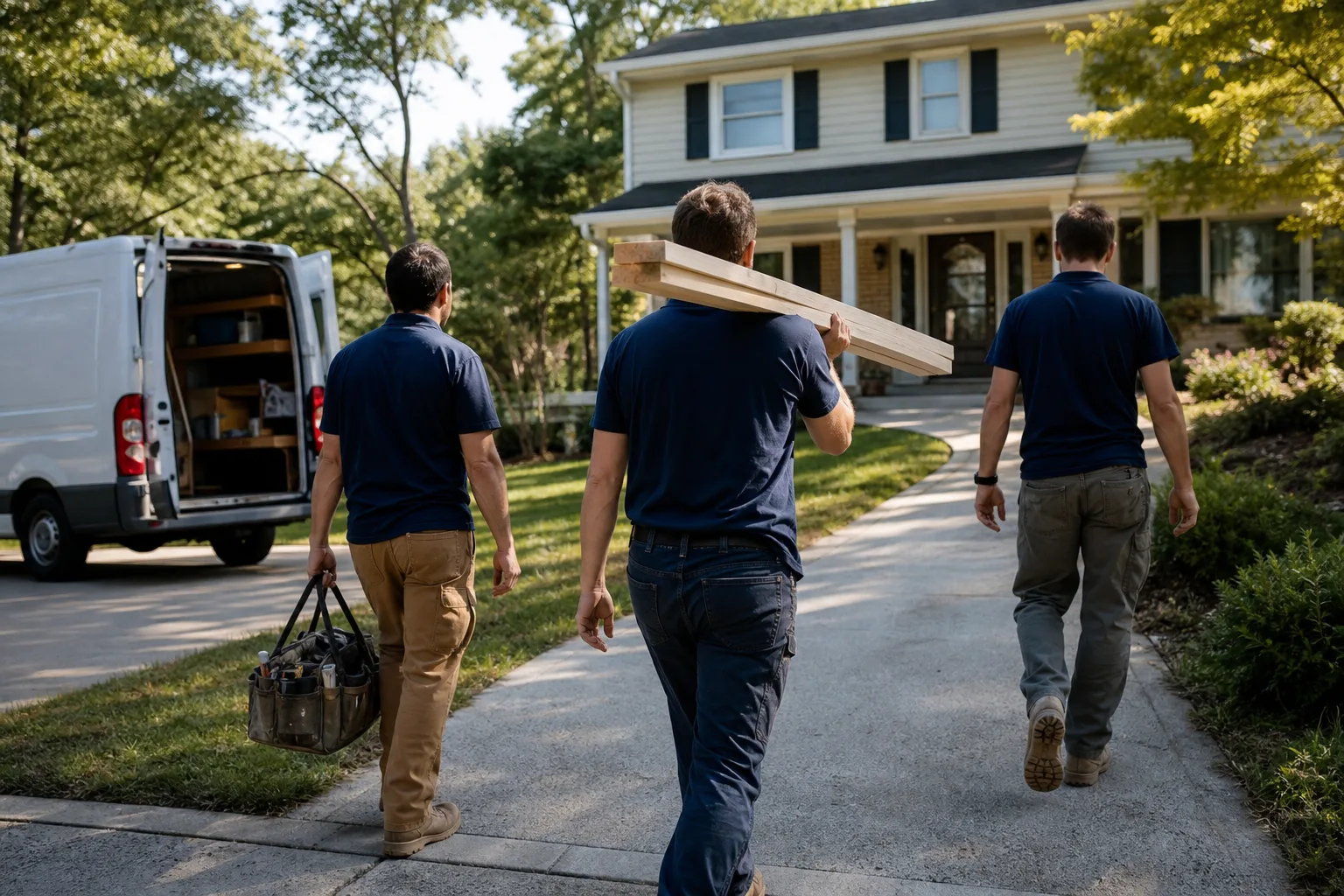
Here is a scenario we hear from Fort Lauderdale homeowners often. A homeowner signs a contract with a licensed contractor. The contractor sends a crew to do the work. The homeowner has no idea who any of the crew members are. No names. No IDs. No introduction. Just a truck in the driveway and boots in the entryway.
The licensed contractor of record is the person whose name is on the license and the permit. But the people who physically enter your home are often employees or subcontractors the contractor has never met before the job. Asking who is coming to your home is not suspicious behavior. It’s baseline safety.
Here is what crew verification looks like in practice:
- Ask for the names of every person who will enter your home before the job starts. Not just the site supervisor. The person removing your bathroom tile counts. The person running the new electrical line counts.
- Ask for a photo ID badge for each crew member on arrival. They should hand it to you at the door, not after they have been inside your home for two hours.
- Ask whether every crew member has passed a background check. In a city the size of Fort Lauderdale, background checks are not optional. A contractor who sends unverified workers into your home is transferring risk onto you.
- Ask the crew member to confirm their name matches the name you were given. If the crew changes mid-job, which happens, ask for the new name before the new person walks through the door.
The Threshold Standard at Mason Remodeling Co Fort Lauderdale covers exactly this. Every crew member is background-checked and identity-verified before they are assigned to a job. Homeowners receive the technician’s name and photo before the visit, and each technician carries a photo ID badge that they present at the door on arrival. That verification applies to every person who enters your home, not just the licensed contractor of record. Isaac Pruett, owner of Mason Remodeling Co Fort Lauderdale, holds every job to this standard because a remodeling project is not a public space. It is your kitchen, your bathroom, and your front door.
The 9 Questions to Ask Before Signing Anything
This is the complete pre-signing checklist for hiring a construction contractor in Fort Lauderdale. Print it. Use it. Check off every box before you put a pen in your hand.
- Can I see your Florida DBPR license, and is it active right now? Verify the number yourself at myfloridalicense.com. Do not rely on the contractor to show you a screenshot.
- Do you hold a current Broward County certificate of competency? A state license alone is not enough in Fort Lauderdale. Confirm the local certificate covers the specific work you’re hiring for.
- Are you insured, and can I call your carrier to verify the policy? Request the certificate of insurance, then call the carrier. Verify general liability and workers’ compensation coverage.
- Will the licensed qualifier be on site during the project? If not, who is the designated on-site supervisor, and what is that person’s experience level?
- Can I have the names and photo IDs of every crew member who will enter my home? This includes subcontractors. If the answer is vague, keep looking.
- Will you provide a written scope of work with brand names, quantities, and exclusions before I sign? That scope should be incorporated into the contract, not a separate vague document.
- What is the payment schedule, and is the deposit under 10%? Any deposit above 10% for a standard remodel in Fort Lauderdale is a negotiating point or a red flag, depending on the explanation.
- Who pulls the permits, and how do I confirm they are pulled and inspected? In Fort Lauderdale, permits are public record through Broward County. You should be able to verify the permit number yourself.
- What does your warranty cover, and for how long? Get the specific number of days from the completion date, not a vague “we back our work.” Our standard at Mason Remodeling is the 365-Day Done Right Promise: if the work is not right within one year of completion, we make it right at no cost to the homeowner. That covers the work through a full year of Fort Lauderdale heat, humidity, and hurricane season.
Common Mistakes to Avoid
- Skipping the Broward County certificate check. Most homeowners check the state license and stop there. In Fort Lauderdale, the local certificate is the one that often reveals whether the contractor is actually authorized to work in the county.
- Comparing bids without comparing scopes. The lowest bid usually has the thinnest scope. When you compare scopes line by line, the low bid often stops looking low.
- Paying a large deposit in cash. Cash leaves no trail, which makes disputes and liens far harder to resolve. Pay by check or card, and get a receipt every time.
- Not asking about releases of lien until the end. By then it’s too late. Ask about lien releases during the hiring process, and make them part of the written agreement from the first payment.
- Letting a storm-chaser rush you after a hurricane. Urgency is a sales tactic, not a credential. The verification sequence does not change because it rained.
- Assuming the licensed contractor is the person doing the work. In Fort Lauderdale, the license holder often is not on site. Ask who will be, and get names and photo IDs for every crew member before the job starts.
- Signing a contract that references “industry standard” without defining it. “Industry standard” is legally meaningless when a dispute arises. Every material, dimension, and finish belongs in the written scope.
See the difference
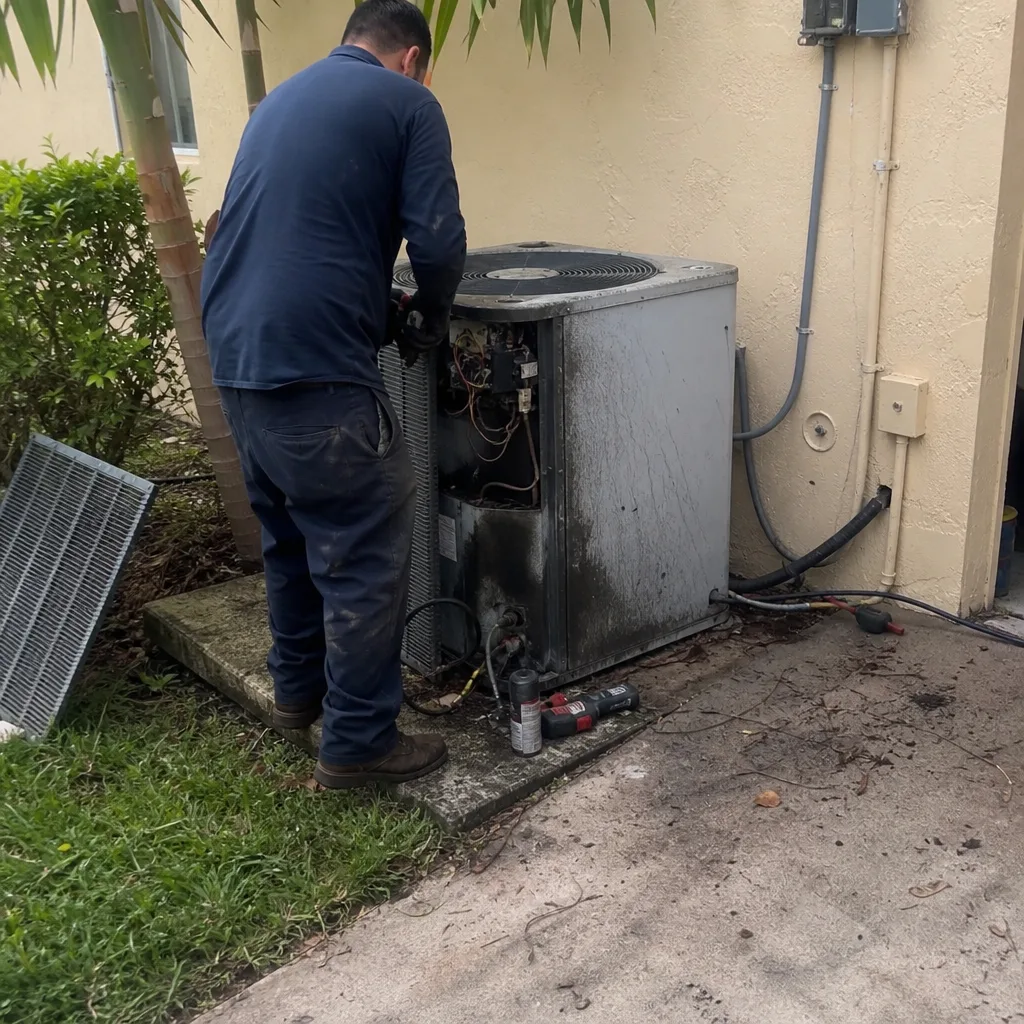 Before
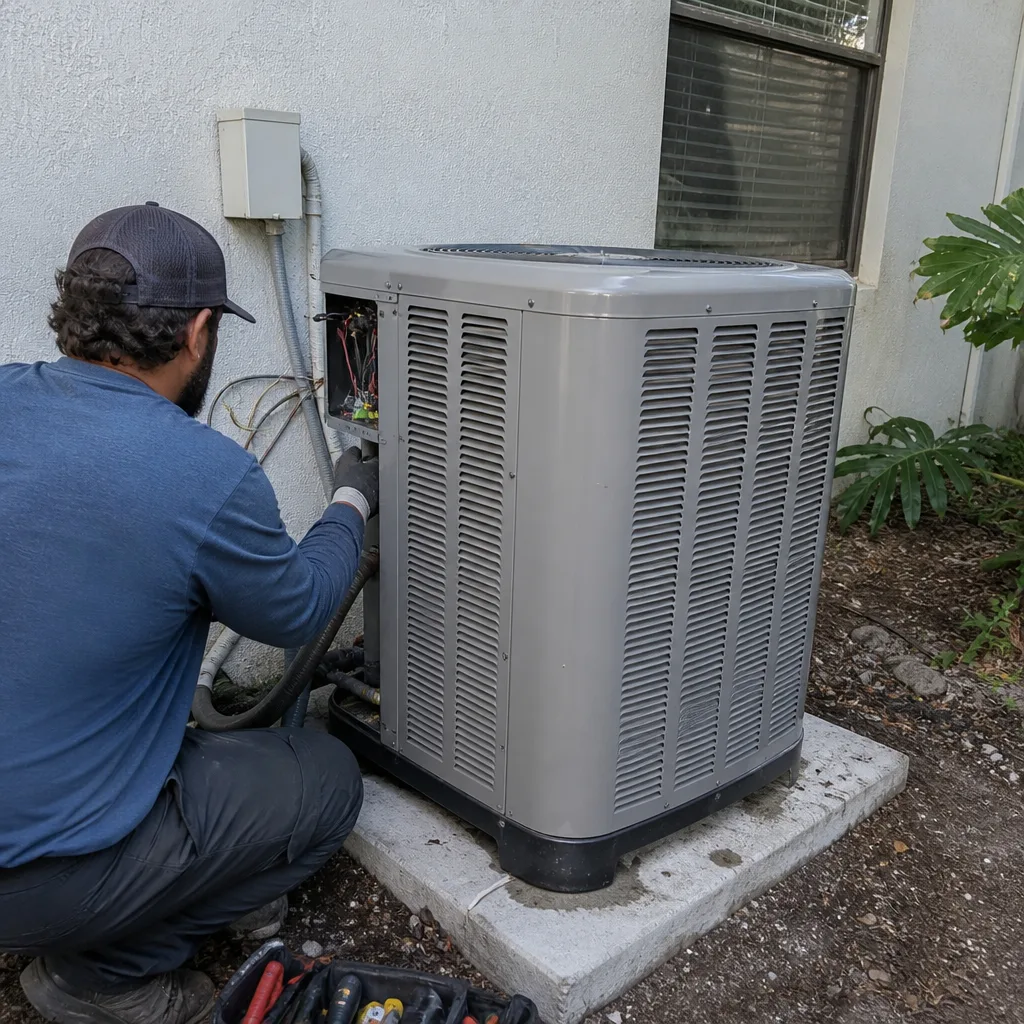 After
After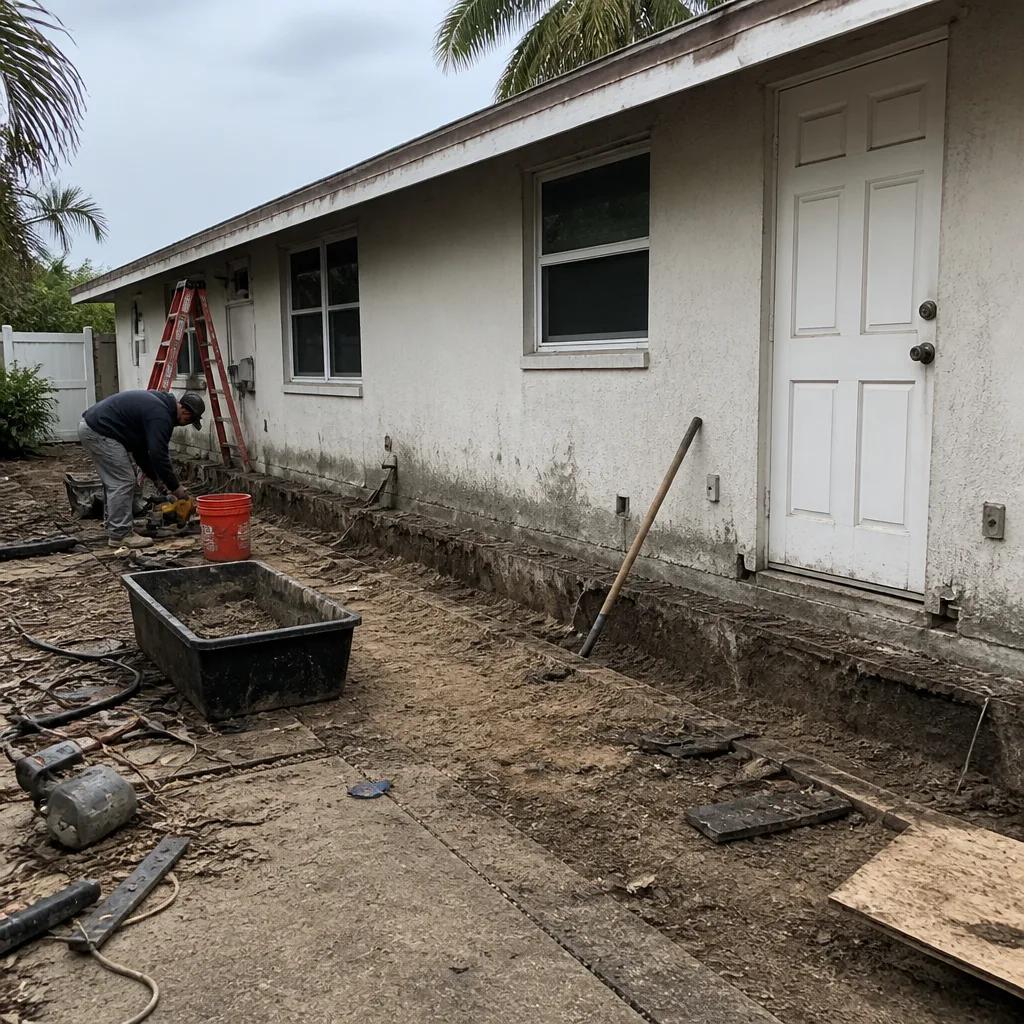 Before
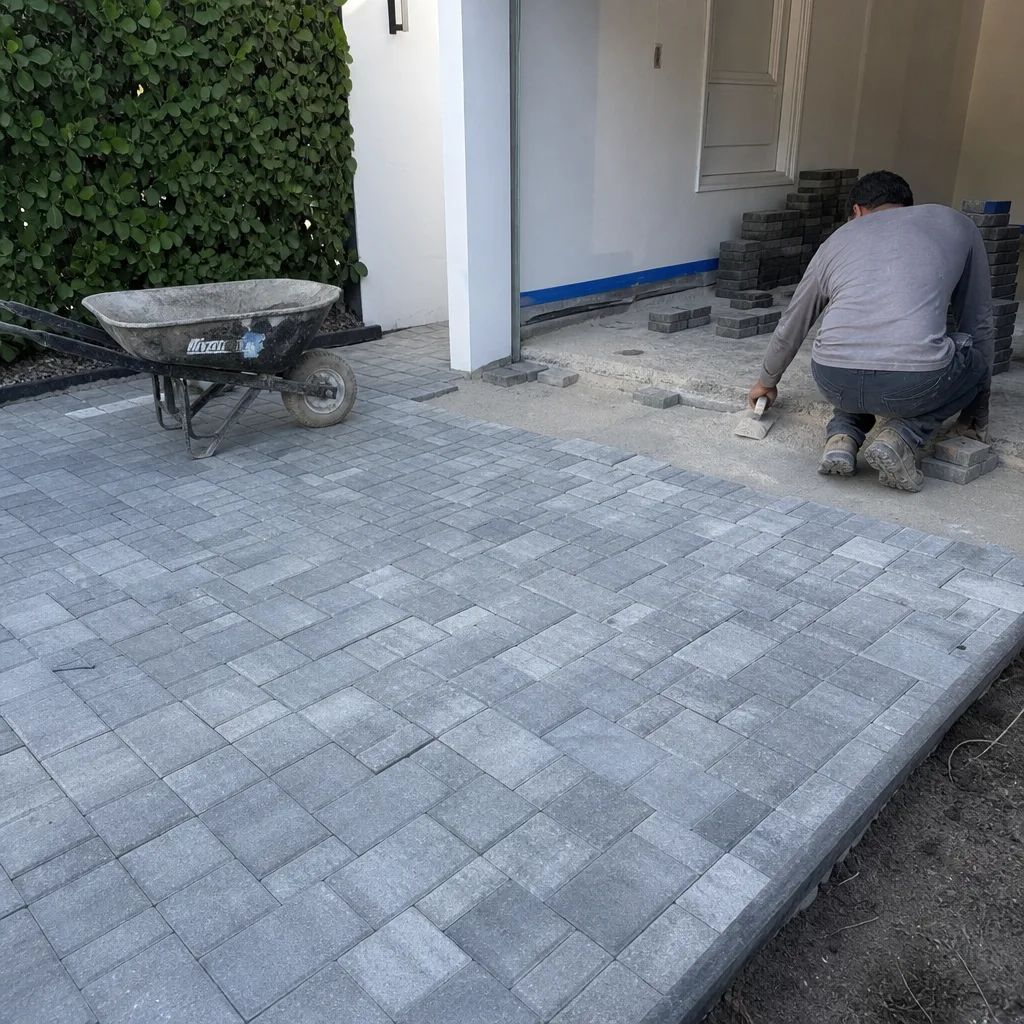 After
After Before
 After
AfterWhen to Call a Professional
You should call a general contractor when the project involves structural changes, moving plumbing or electrical lines, or any work that triggers a permit in Fort Lauderdale. That includes nearly every bathroom remodel, kitchen renovation, room addition, and whole-home remodel. You should also call a professional when you are not certain about load-bearing walls, when the project involves waterproofing in a climate that sees 60+ inches of rain a year, or when the scope spans multiple trades that need to be sequenced and supervised. If the job needs a Broward County permit, it needs a contractor who understands the full Fort Lauderdale inspection process. Mason Remodeling Co Fort Lauderdale offers free estimates for general contracting, bathroom remodeling, and whole-home remodeling. Call (754) 354-3720 to schedule a consultation. Our General Contractor in Fort Lauderdale page covers the full range of work we perform.
Frequently Asked Questions

A contractor in Fort Lauderdale needs both an active Florida DBPR state license and a current Broward County certificate of competency. The state license verifies the contractor’s qualifications at the state level, while the county certificate confirms they are authorized to perform that specific type of work in Fort Lauderdale. Check both before signing anything.
General contracting fees in Fort Lauderdale typically run 10% to 20% of the total project cost as a management fee, on top of labor and materials. Small projects often use a time-and-materials structure. Larger projects usually use a fixed-fee structure with a detailed scope. Call (754) 354-3720 for an exact quote on your project, estimates are free.
Search the contractor’s name or license number on the DBPR website at myfloridalicense.com. The record shows any disciplinary actions, complaints, and their current license status. Read the details of any complaint before making a judgment, and ask the contractor about anything that concerns you.
For most residential remodeling projects in Fort Lauderdale, a deposit of 10% or less is standard. Florida law limits deposits on many residential contracts to 10% or $1,000, though custom-ordered materials can justify more if the contractor provides documentation. Any request for 30% or more upfront deserves serious questioning.
Most bathroom remodels in Fort Lauderdale require a permit because they involve plumbing, electrical, or both. Moving a drain line, adding a circuit, or altering any structural framing triggers the permit requirement. A contractor who suggests skipping the permit is putting your future home sale and your insurance coverage at risk.
A whole-home remodel in Fort Lauderdale typically takes 4 to 8 months, depending on scope, permit timelines, and material availability. Kitchen remodels usually run 6 to 10 weeks, and bathroom remodels 3 to 6 weeks. Hurricane season can add delays for exterior work. Get a specific timeline in your written scope of work before committing.
The Bottom Line
Hiring a construction contractor in Fort Lauderdale is a two-database verification process, a written-scope process, and a people process. Check the Florida DBPR license and the Broward County certificate of competency before anything else. Insist on a written scope with brand names and quantities before comparing bids. Build lien releases into your payment schedule from the first check. And know the name and face of every person who walks through your door. If you’re ready to talk through your project, call (754) 354-3720 for a free estimate. You can also learn more about our Bathroom Remodeling in Fort Lauderdale services or start with our Home Remodeling in Fort Lauderdale page for an overview of what a full project looks like.
Written by Isaac Pruett, Owner at Mason Remodeling Co Fort Lauderdale, serving Fort Lauderdale since 2004. Explore more guides & resources on our blog.