Last updated October 15, 2026




Free written scope consultation - allowances, timeline, and change-order rules on paper before a single trade is scheduled
The Complete Guide to Construction in Fort Lauderdale
Most Fort Lauderdale remodels go over budget not because of bad contractors, but because homeowners didn’t know the city requires a separate permit for each trade – electrical, plumbing, and structural – and each one can trigger its own inspection queue. A kitchen that runs $45,000 in materials and labor can quietly absorb another $6,000 to $9,000 in permitting, architectural review, and code-compliance work that no one mentioned at the first meeting. This guide walks through every layer a Fort Lauderdale homeowner must understand before signing anything: flood zones, dual permit jurisdiction, HOA review boards, salt-air materials, and how to verify a contractor’s license before the first conversation.
Quick Answer
Construction in Fort Lauderdale is governed by Florida Building Code plus Broward County flood zone overlays, a split permit system that depends on whether your address sits inside incorporated city limits or unincorporated county territory, and often a homeowners association review that must happen before the city will even accept your permit application. Expect permit fees to run $1,500 to $7,000 on a typical remodel depending on scope, with inspection wait times averaging 10 to 21 days per trade during busy season. Working with a contractor who verifies the permit path upfront, writes the price before work starts, and knows which flood zone your property sits in is the difference between a six-week project and a six-month one.
Styles & brands we work with
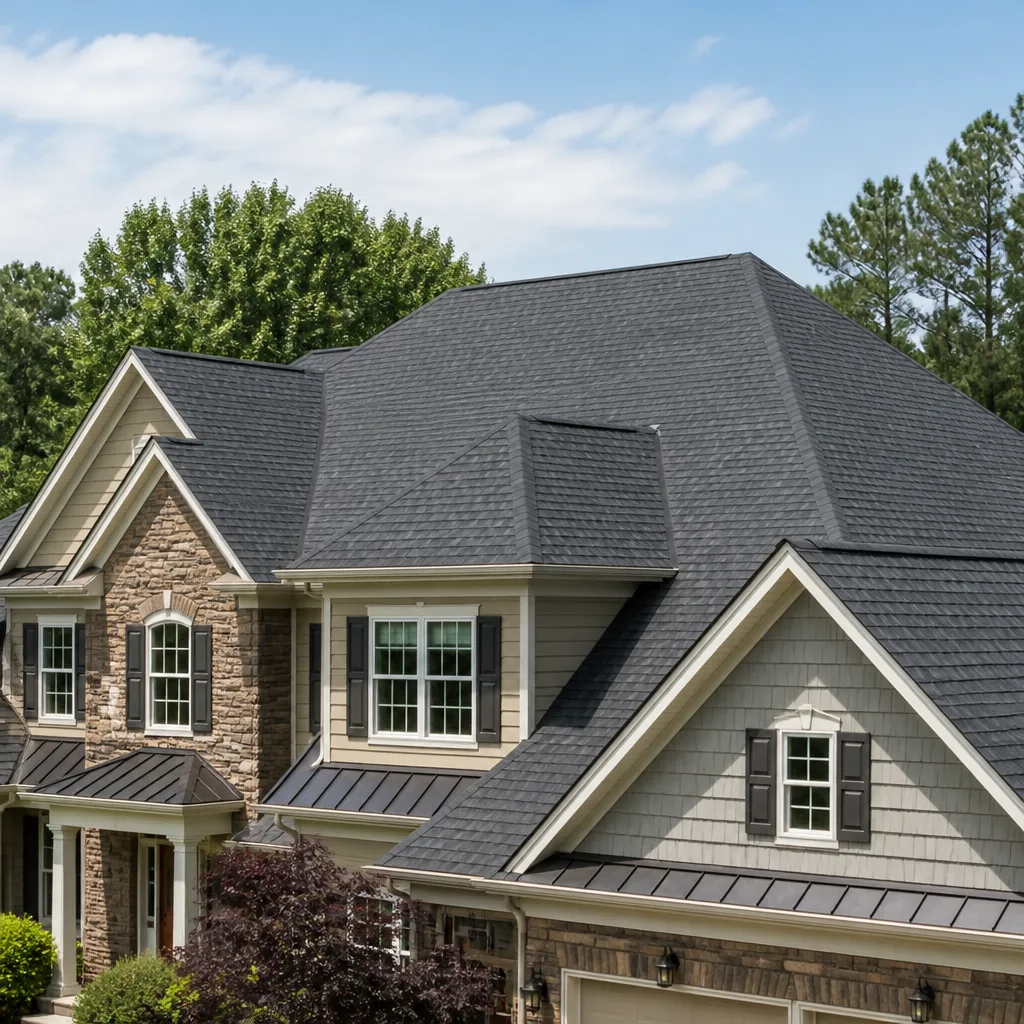
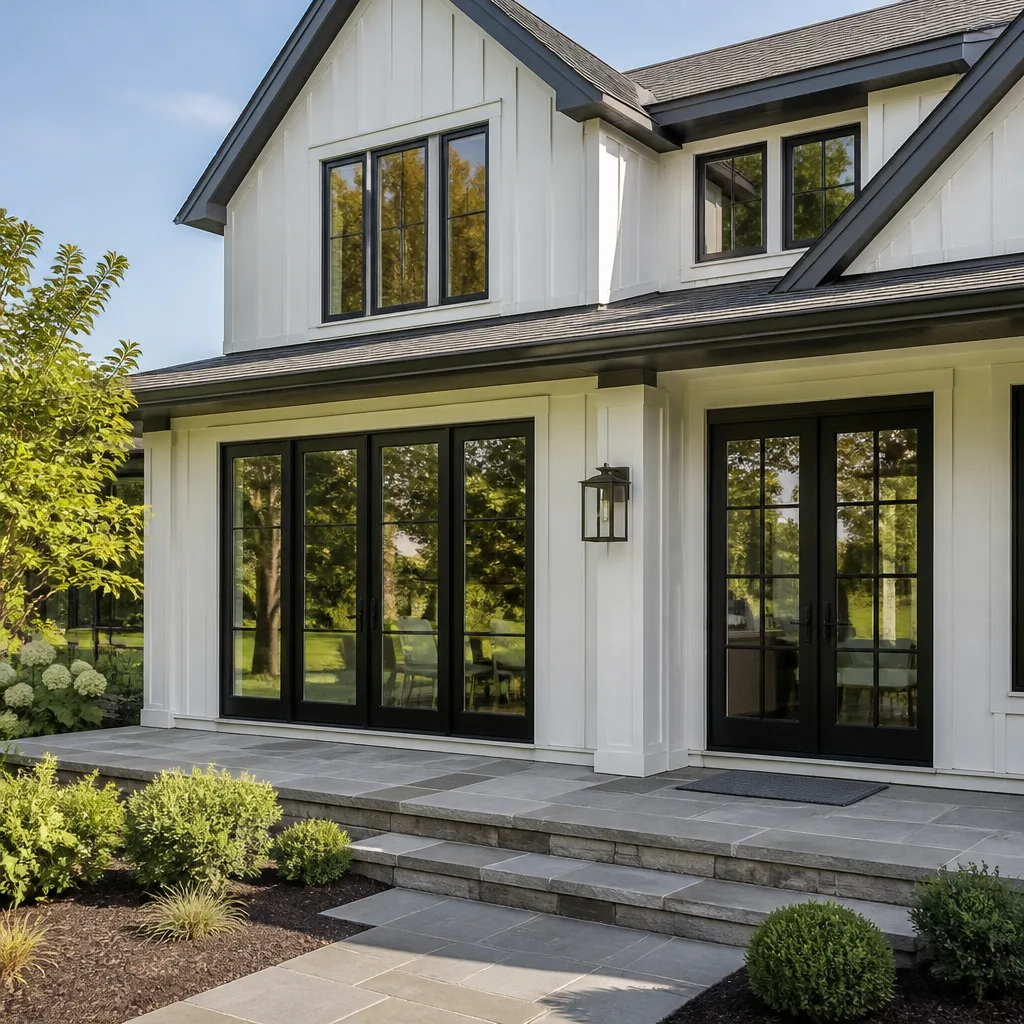
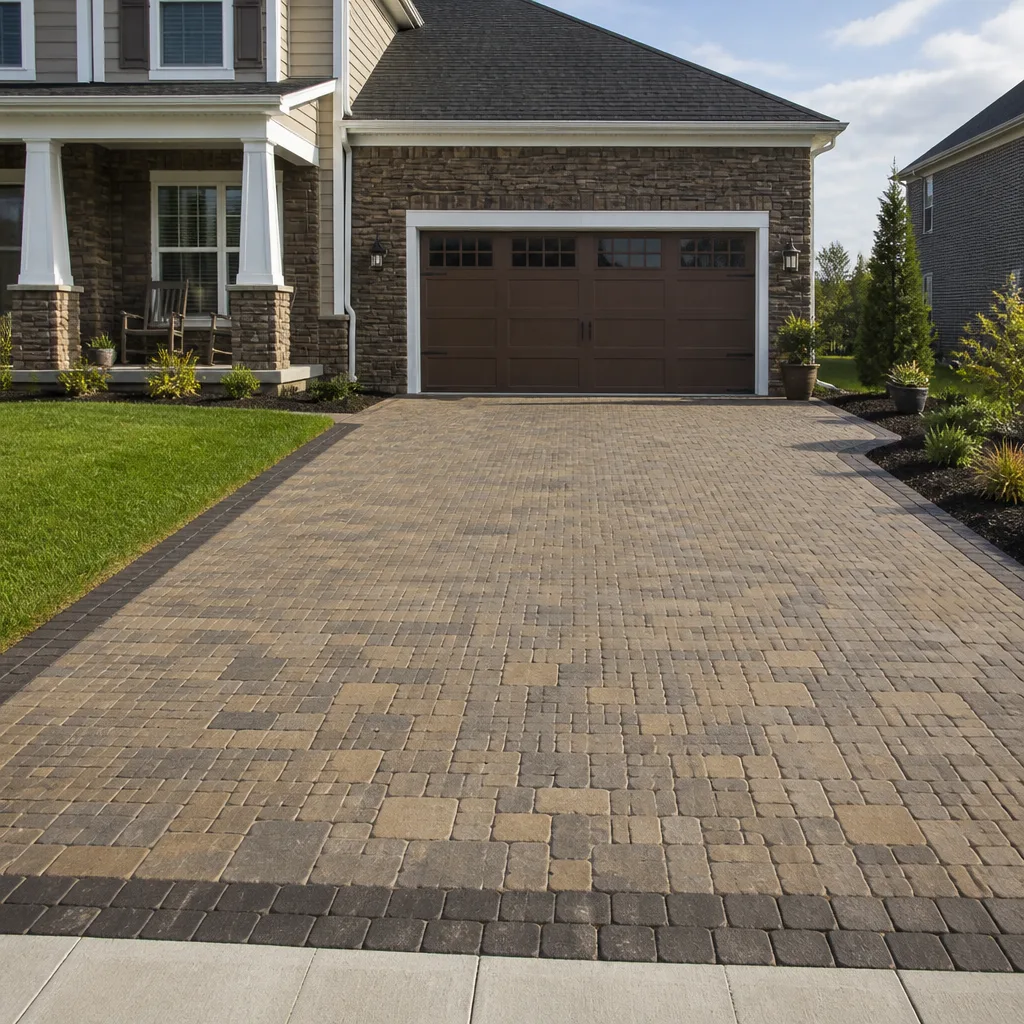
Table of Contents
- How Broward County Flood Zones Change What You Can Build
- Fort Lauderdale’s Dual Permit System: City vs. County Jurisdiction
- Why HOA Architectural Review Comes Before City Permits
- Salt-Air Material Standards Fort Lauderdale Inspectors Enforce
- How to Look Up a Florida Contractor License Before You Call
- What Fort Lauderdale Permits and Fees Actually Cost
- A Realistic Fort Lauderdale Construction Timeline
- Choosing a Contractor Who Won’t Disappear Mid-Project
How Broward County Flood Zones Change What You Can Build
Your flood zone designation is the single biggest code driver in Fort Lauderdale construction, and it’s tied to your specific street address, not your neighborhood. Pull up the Broward County flood map and type in your address. If you see Zone X, you’re in a moderate-to-low risk area and standard construction methods apply. If you see AE or VE, the rules change fast.
Zone AE means your property sits in a Special Flood Hazard Area with a defined base flood elevation. Any structural work, including interior remodel work that touches load-bearing walls, electrical panels, or HVAC systems, may trigger a requirement to bring the lowest finished floor up to or above that elevation. In practical terms: a $30,000 bathroom remodel in Zone AE Fort Lauderdale can become a $60,000 project if the inspector determines the existing slab is below base flood elevation and requires elevation or floodproofing. Zone VE is the harshest designation, reserved for coastal high-wave areas like parts of Las Olas Isles and Harbor Beach. Building or substantially improving in Zone VE often requires pier or pile foundations, and some remodels are simply not economically feasible once floodplain management rules are applied.
Here’s what changes by zone:
- Zone X: Standard building code applies. No elevation requirement. Permits move fastest.
- Zone AE: Enclosures below base flood elevation must use flood-resistant materials and may not be habitable space. Substantial improvement rules (projects exceeding 50% of the structure’s market value) can trigger full elevation requirements.
- Zone VE: Breakaway walls, elevated foundations, and stricter structural engineering. Expect significant engineering fees before any construction document is submitted.
We’ve had clients in Rio Vista discover mid-project that their address’s flood zone reclassification from a FEMA map update meant their planned addition required a complete foundation redesign. That discovery cost about four months of engineering time. Checking your flood zone before you interview contractors costs nothing and looks like a printout of a map page with your address marked. If a contractor doesn’t ask about your flood zone during the first conversation in Fort Lauderdale, that’s a signal to keep interviewing.
Fort Lauderdale’s Dual Permit System: City vs. County Jurisdiction
Fort Lauderdale sits in a strange administrative position. The city of Fort Lauderdale issues its own building permits through its Building Services Division. But parts of what residents casually call “Fort Lauderdale” are actually unincorporated Broward County, which falls under a completely different permitting body. Your mailing address may say Fort Lauderdale while your governing jurisdiction is Broward County, and the two systems do not share application queues or inspection schedules.
This split trips up even experienced contractors from Miami or Palm Beach who don’t work Fort Lauderdale regularly. A contractor who pulls permits in Broward County every week may not know that Fort Lauderdale’s Building Services Division requires a separate plumbing permit application with its own plan review, or that the city’s online portal handles electrical differently than the county’s.
How to determine your jurisdiction in five minutes:
- Open the Broward County Property Appraiser’s website.
- Search your address and look at the “Municipality” field.
- If it says “Fort Lauderdale,” you’re in city jurisdiction. If it says “Unincorporated,” you’re under Broward County jurisdiction.
- If you live in a neighborhood like Melrose Park or parts of Broadview Park, verify carefully – these unincorporated pockets use Fort Lauderdale mailing addresses but are not governed by the city.
- Have your contractor confirm in writing which jurisdiction they will file with before you sign anything.
Why does this matter for your budget? Because each jurisdiction has its own fee schedule, its own inspection backlog, and its own plan review timeline. A contractor who files in the wrong jurisdiction can wait three weeks to get a rejection notice, then refile with the correct office and wait again. That’s a month of standing still on a project that hasn’t started.
Why HOA Architectural Review Comes Before City Permits
In Fort Lauderdale, many homes in communities like Coral Ridge, Imperial Point, and Bayview sit inside homeowners associations with architectural review committees. These committees have authority over paint colors, rooflines, fence heights, and sometimes even window brands. The critical sequence error homeowners make is applying for a city permit before getting HOA approval.
Here’s what happens when you get this backwards: you find a general contractor in Fort Lauderdale, sign a contract, the contractor files for city permits, the city approves them, work begins, and then the HOA notices a window style change that violates their design standards. The HOA can issue a cease-and-desist and force you to undo completed work. Some HOAs in Fort Lauderdale have compelled homeowners to demolish finished additions because the committee never approved the plans.
The correct sequence:
- Obtain your HOA’s architectural guidelines and application form.
- Submit detailed plans, including material specifications and paint swatches if required.
- Wait for architectural review committee approval – this typically takes 14 to 45 days in Fort Lauderdale HOAs, with some slower committees running 60 to 90 days.
- Apply for city or county permits only after HOA approval is in writing.
- Keep both approvals on file through completion; the final walkthrough may require showing HOA sign-off to the inspector.
We’ve seen a Harbor Beach homeowner lose a summer waiting on HOA review for a window replacement project, then have the city permit process go smoothly because the HOA had already vetted the material specs. The HOA process is often the longer lead time in Fort Lauderdale. Start it the day you know you’re doing the project, not after the contract is signed.
Salt-Air Material Standards Fort Lauderdale Inspectors Enforce
Fort Lauderdale’s coastal salt air is harsh enough that the Florida Building Code includes specific corrosion-resistance requirements for structural connectors, fasteners, and exterior materials. Generic national construction guides rarely mention this, which is why out-of-state contractors and homeowners following online tutorials regularly fail Fort Lauderdale inspections.
The most common enforcement point is fastener specification. In Fort Lauderdale’s coastal zones, standard galvanized fasteners are not acceptable for exterior and structural applications. The code requires stainless steel or hot-dip galvanized with specific zinc coating weights for connectors, anchors, and hangers used within a defined distance of the coast. If a contractor builds a deck or lanai frame with standard screws from a big-box store, the inspector can flag the entire assembly and require replacement.
Materials that Fort Lauderdale inspectors check against salt-air standards:
- HVAC condenser coils: Coastal units need epoxy-coated or copper-aluminum coils. Standard aluminum fins corrode in 3 to 5 years near the intracoastal.
- Window frames and impact glass: Aluminum frames must be anodized or powder-coated to marine grade. Vinyl frames are generally acceptable but hardware must be stainless.
- Roofing nails and flashing: Stainless steel required within 3,000 feet of salt water in most Broward wind-borne debris zones.
- Electrical panels and conduit: Outdoor-rated, corrosion-resistant enclosures are non-negotiable. Inspectors look for NEMA 3R or better ratings.
- Deck and balcony railings: Aluminum or powder-coated steel, never uncoated steel or iron, which rusts through within five years near the ocean.
When buyers ask about hurricane-impact windows in Fort Lauderdale, it’s worth noting that brands like ES Windows, ECO Window Systems, and Mr-Glass are among those we’ve seen pass coastal inspection with fewer corrections because their coatings and hardware are specified for marine environments from the factory. That’s not a list of recommendations, just a pattern we’ve observed across dozens of Fort Lauderdale window and door replacements.
How to Look Up a Florida Contractor License Before You Call
The Florida Department of Business and Professional Regulation, known as DBPR, maintains a public license lookup portal that shows every licensed contractor in the state. Before you invite anyone to quote a Fort Lauderdale construction project, you should have already run this search. It takes four minutes and tells you things contractors don’t volunteer.
What to check on the DBPR portal:
- Search the contractor’s name or their company name in the DBPR license database.
- Confirm the license category matches your project. A certified general contractor (CGC) can do structural work. A building contractor (CBC) has limitations on work scope. A residential contractor (CRC) is restricted to residential projects only.
- Check for complaints and disciplinary actions, which appear right on the license record.
- Verify the license is active – not suspended, expired, or in renewal limbo.
- Confirm the qualifying agent’s name matches the person who will actually sign your contract.
We’ve had Fort Lauderdale homeowners bring us printed DBPR records on other contractors they were considering, showing active complaints for unpermitted work. That’s exactly what the portal is for. It’s not rude to check. It’s the first five minutes of a project that may cost you $80,000.
At Mason Remodeling Co Fort Lauderdale, our founding in 2004 as part of the Threshold Group family of home-service companies means every crew member operates under the Threshold Standard: background-checked, identity-verified, arriving in a clean marked uniform and showing a photo ID badge at the door. You should know the name and face of the person crossing your threshold before they arrive. Any contractor who is evasive about verification is telling you something useful.
What Fort Lauderdale Permits and Fees Actually Cost
Fort Lauderdale permit fees are published on the city’s Building Services Division website, but the published number is rarely the full number. For a deeper Construction Cost Breakdown: The Fort Lauderdale Homeowner’s Reference for 2026, see our dedicated guide. Plan review fees, impact fees, school taxes for additions, and utility reconnection charges can double the initial estimate. Here’s a realistic picture of what typical Fort Lauderdale permits cost based on scope, updated for current fee schedules:
| Project Type | Typical Permit Cost Range | What It Includes |
|---|---|---|
| Bathroom remodel (no structural) | $400 – $900 | Plumbing fixture permit, electric permit, basic plan review |
| Kitchen remodel | $800 – $2,200 | Electrical, plumbing, mechanical, plan review per trade |
| Whole-home remodel | $4,000 – $9,000 | Structural, electrical, plumbing, mechanical, plus impact fees |
| Room addition | $3,500 – $8,000 | Structural permit, school tax where applicable, plan review, impact fees |
| Roof replacement | $500 – $1,500 | Roof permit, wind-load documentation, required inspections |
These figures are ranges we see across Fort Lauderdale’s city-permit system. Unincorporated Broward County fees can run slightly lower or higher depending on the specific trade permit. If a contractor quotes you a flat permit fee without itemizing the breakdown, ask for the line items. Any reputable contractor in Fort Lauderdale will show you the city’s fee schedule and explain each charge before you pay a dollar.
Add roughly $300 to $800 for engineering or stamped plans if your project requires them, which structural work, additions, and Zone AE or VE modifications almost always do. And budget for the inspection wait times: plan review alone can take 10 to 20 business days, and each failed inspection adds a reschedule window of 3 to 5 business days.
A Realistic Fort Lauderdale Construction Timeline
National home improvement shows compress remodels into four-week arcs. Fort Lauderdale does not work that way. Between HOA review, permit queues, flood zone engineering, and hurricane-season shutdowns, a straightforward kitchen remodel that would take five weeks in a non-coastal market regularly runs 10 to 14 weeks here. Expect it and you’ll be fine. Expect the TV timeline and you’ll be frustrated.
A realistic timeline for a mid-sized remodel in Fort Lauderdale:
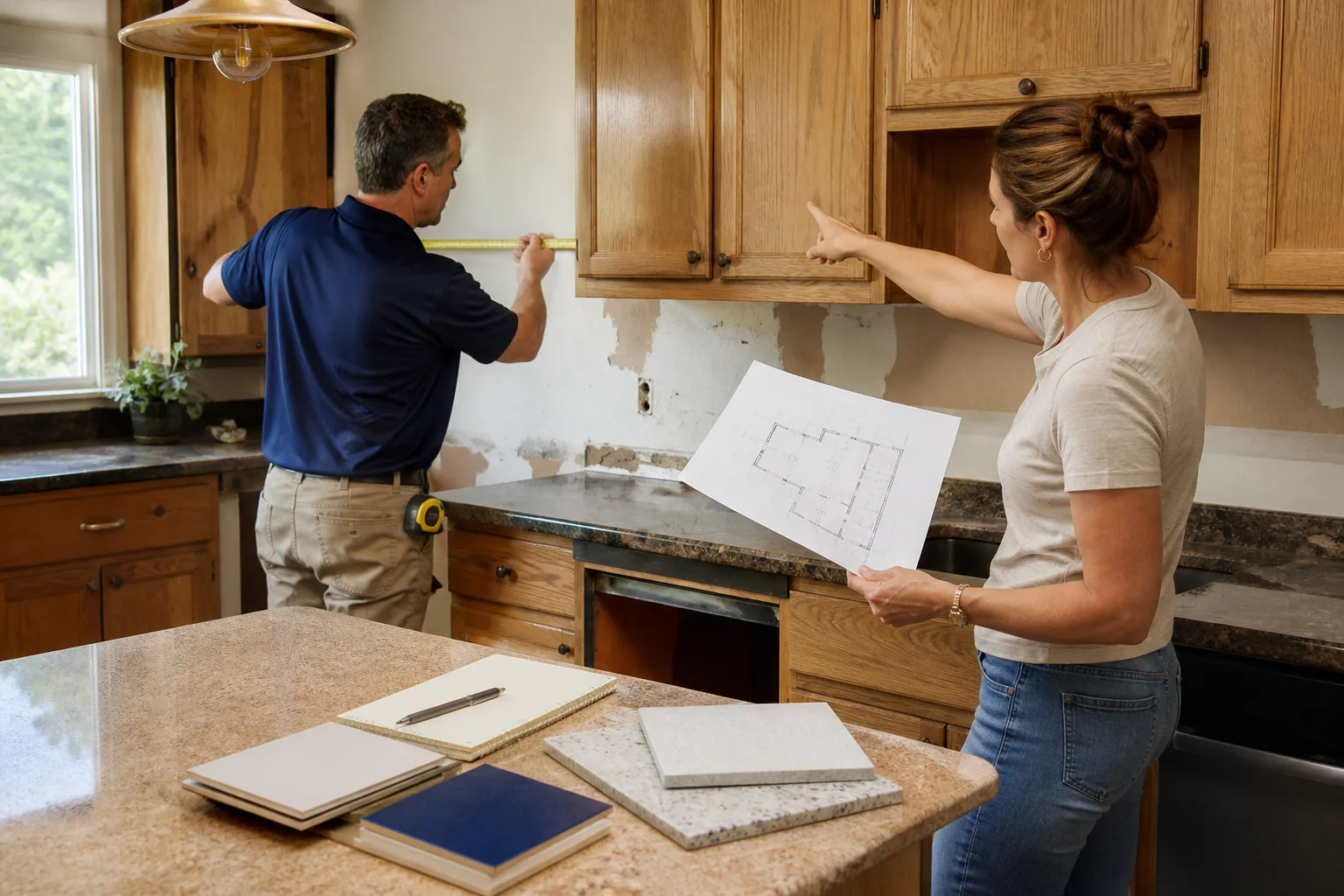
- Weeks 1-2: Design and measurements. Contractor visits, takes dimensions, finalizes scope.
- Weeks 2-6: HOA architectural review, if applicable. This is the variable that kills schedules.
- Weeks 4-8: Permit application and plan review. City or county, depending on jurisdiction.
- Weeks 8-12: Construction work. Demolition, framing, rough-in inspections, trade work.
- Weeks 12-14: Final inspections, punch list, HOA final sign-off if required.
Hurricane season runs June through November. During this window, Fort Lauderdale inspectors may prioritize storm-related emergency permits, which can slow non-emergency inspections. Planning your project to start in January through April gives you the fastest inspection turnaround in our experience. But if you’re scheduling during hurricane season, build in 2 to 3 extra weeks of buffer for inspection delays.
On bathroom remodeling in Fort Lauderdale specifically, a standard 5×8 bath with no structural changes often completes in 3 to 4 weeks once the permit is in hand. The permit is the lead time, not the labor.
Choosing a Contractor Who Won’t Disappear Mid-Project
Fort Lauderdale has a particular problem with out-of-town contractors who descend after hurricane season, take deposits on roof and window work, and vanish. Watch for these Construction Warning Signs: A Fort Lauderdale Homeowner’s Reference Guide before you sign. The best protection is a written contract with a written price, a verified license, and a guarantee in writing. Not a verbal promise, not a handshake deal, but specific words on paper that say what is covered, what is excluded, and for how long.
What our written guarantee at Mason Remodeling Co Fort Lauderdale states specifically: coverage runs 365 days from the completion date of the project. If the work is not right within that first year, we make it right at no cost to the homeowner. And if a repair or installation fails after we’ve completed it, we return for a free second visit – no charge, no dispute process, no conditions. That’s the 365-Day Done Right Promise, applied across general contracting, bathroom remodeling, and whole-home remodels.
You should also expect a written price before any work starts. Not an estimate range, not a verbal ballpark, but a written price delivered before a single tool is unpacked. If a contractor won’t put the number in writing before the project starts, they’re telling you they reserve the right to change it later.
Isaac Pruett, owner at Mason Remodeling Co Fort Lauderdale, oversees every project we take on. We’ve provided general contracting, bathroom remodeling, and whole-home remodeling in Fort Lauderdale since our founding in 2004, operating as part of the Threshold Group family of home-service companies. Each Mason Remodeling location is independently owned and operated and holds to Threshold Verified standards on every job, which means the crew member coming to your door has been background-checked, identity-verified, and introduced to you by name and photo before they arrive.
Material partnerships matter too. We specify cabinetry from KraftMaid and Wellborn, surfacing from Cambria, Silestone, and Caesarstone, and fixtures from Kohler, Moen, Toto, and Grohe. For roofing, GAF, CertainTeed, and Owens Corning. For hardscape, Belgard, Unilock, and Techo-Bloc. You get access to vetted, professional-grade products without spending hours trying to determine which supplier is legitimate.
Common Mistakes to Avoid
- Signing a contract before checking flood zone designation. In Fort Lauderdale, your flood zone determines whether your project needs elevation work, engineered foundations, or flood-resistant materials. Finding out after contract signing means change orders or a dead project.
- Skipping HOA architectural review. East-of-95 Fort Lauderdale HOAs are aggressive about enforcement. If you build first and ask later, you risk forced demolition of unapproved work at your own cost.
- Assuming your contractor knows the Fort Lauderdale permit system. Verify they’ve pulled permits in your exact jurisdiction within the last year. Ask for the permit number of a recent project in your specific city or county system.
- Buying standard fasteners or hardware for exterior work. Salt air in Fort Lauderdale destroys non-stainless hardware in under five years. Inspectors know this and flag it. Use stainless or marine-grade from the start.
- Budgeting for labor and materials but not permit fees and engineering. A $50,000 remodel in Fort Lauderdale consistently absorbs $5,000 to $12,000 in permits, fees, engineering, and HOA related costs. Add that to your budget before you start.
- Not verifying the license on the DBPR portal. Unlicensed contracting is a felony in Florida when the project value exceeds $1,000. If your contractor is unlicensed, you have no recourse through DBPR and no legal path to recover damages.
- Choosing the lowest bid without checking reference projects. In Fort Lauderdale, low bid often means the contractor hasn’t accounted for salt-air materials, flood zone engineering, or correct permit fees. The low bid becomes the most expensive bid.
See the difference
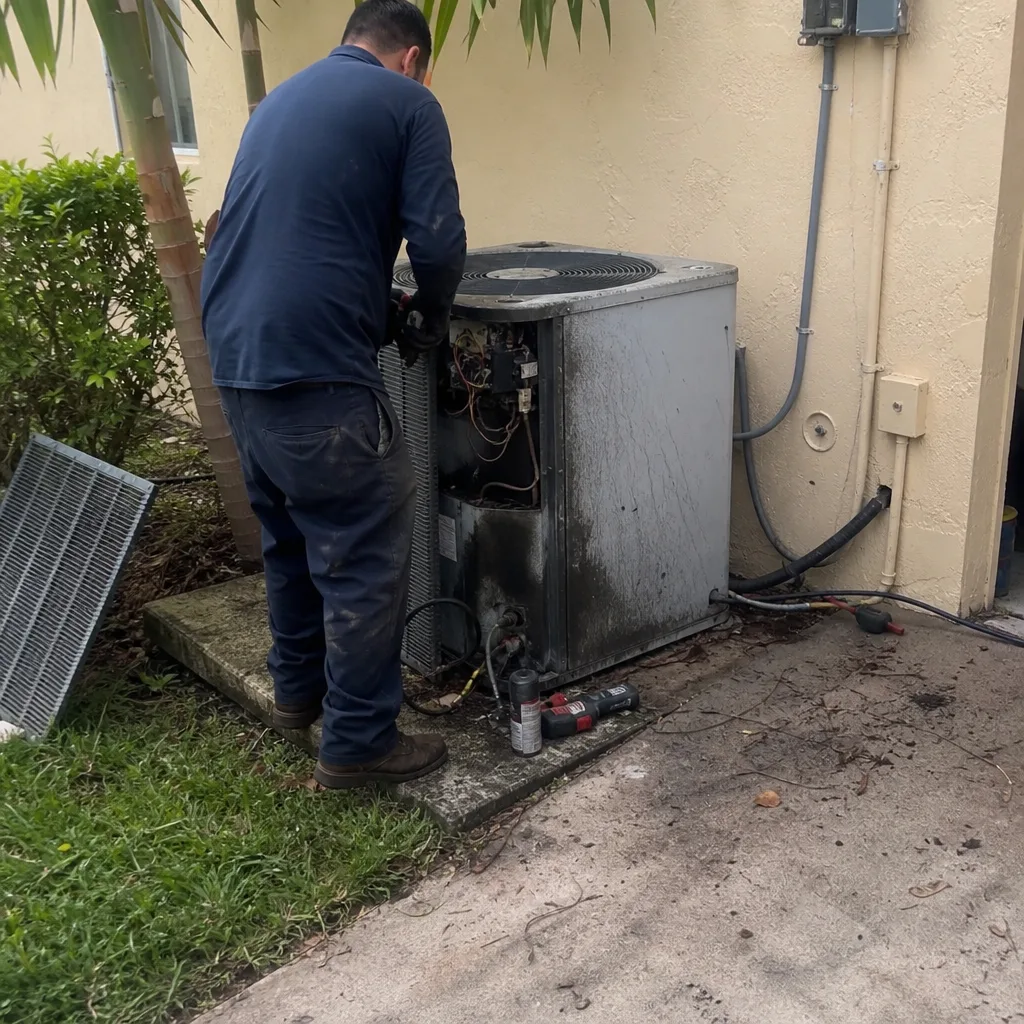 Before
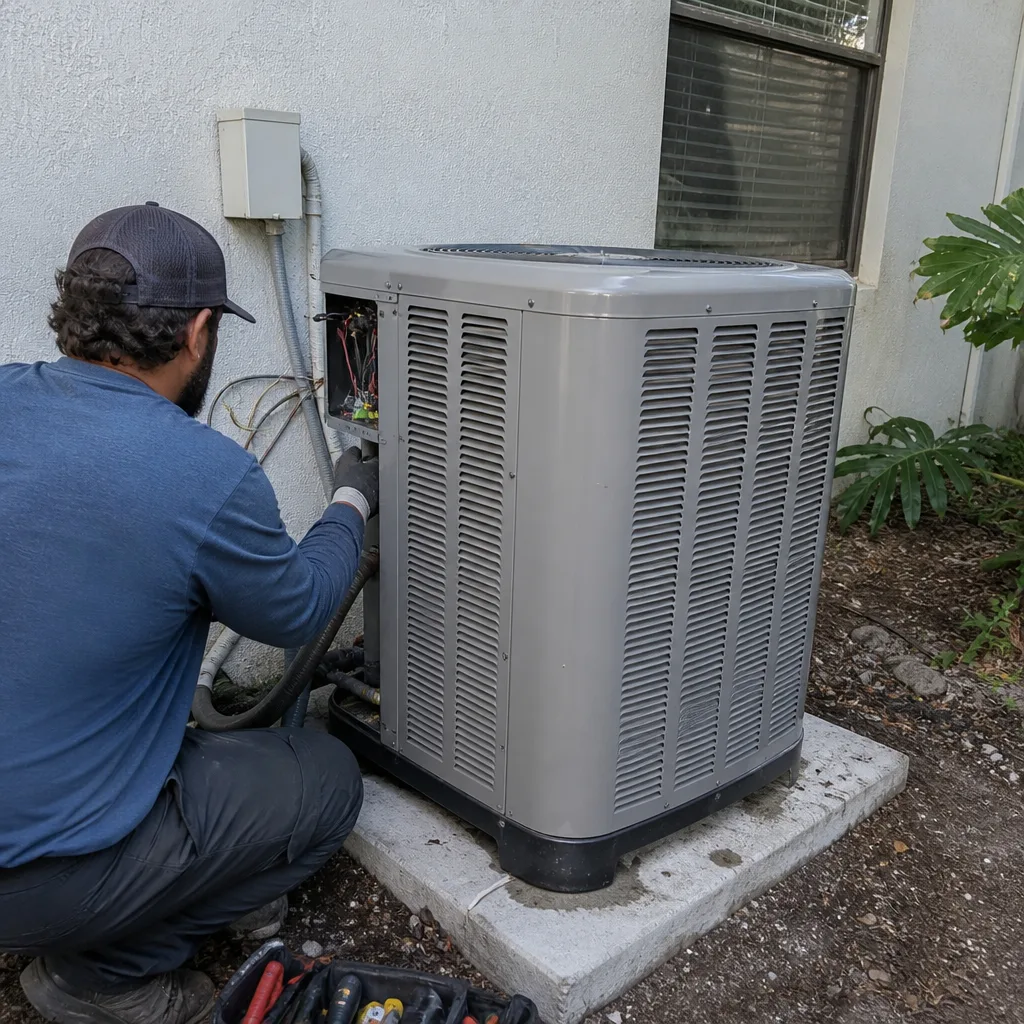 After
After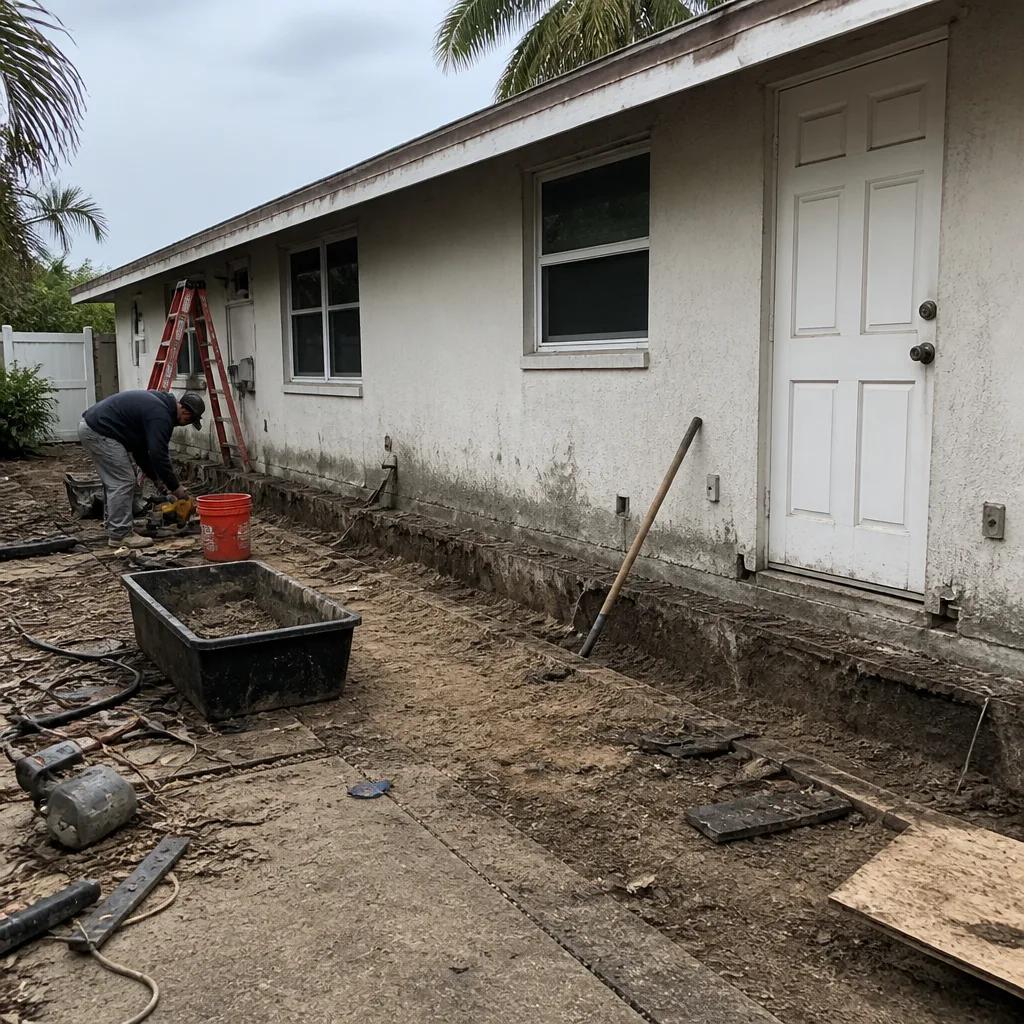 Before
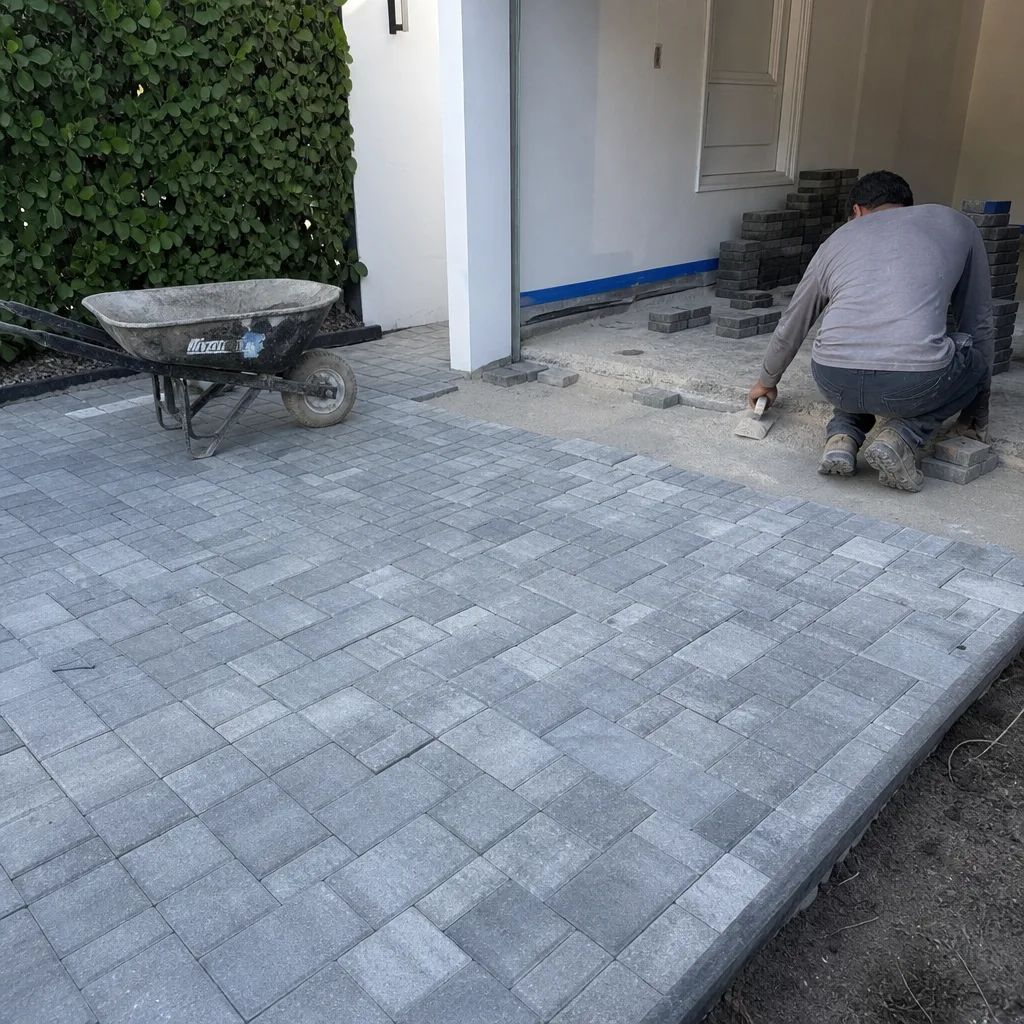 After
After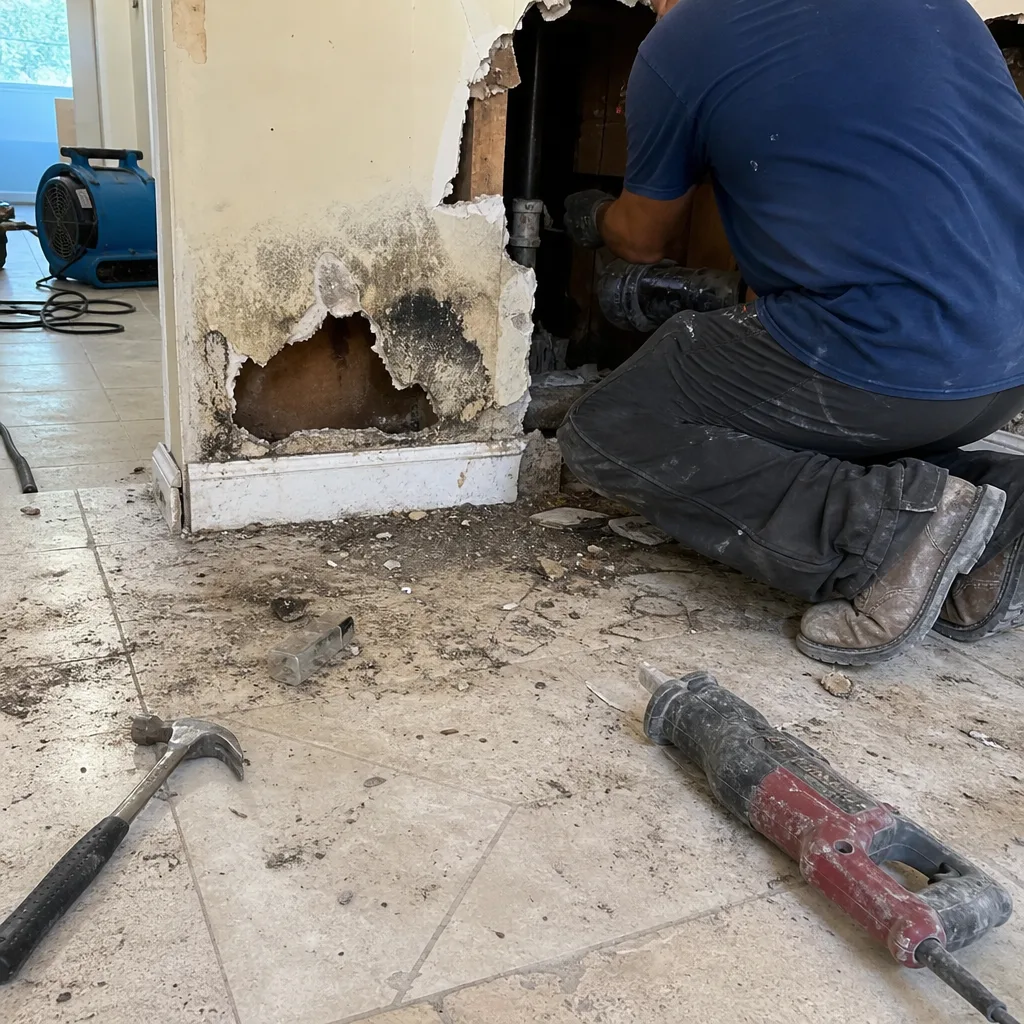 Before
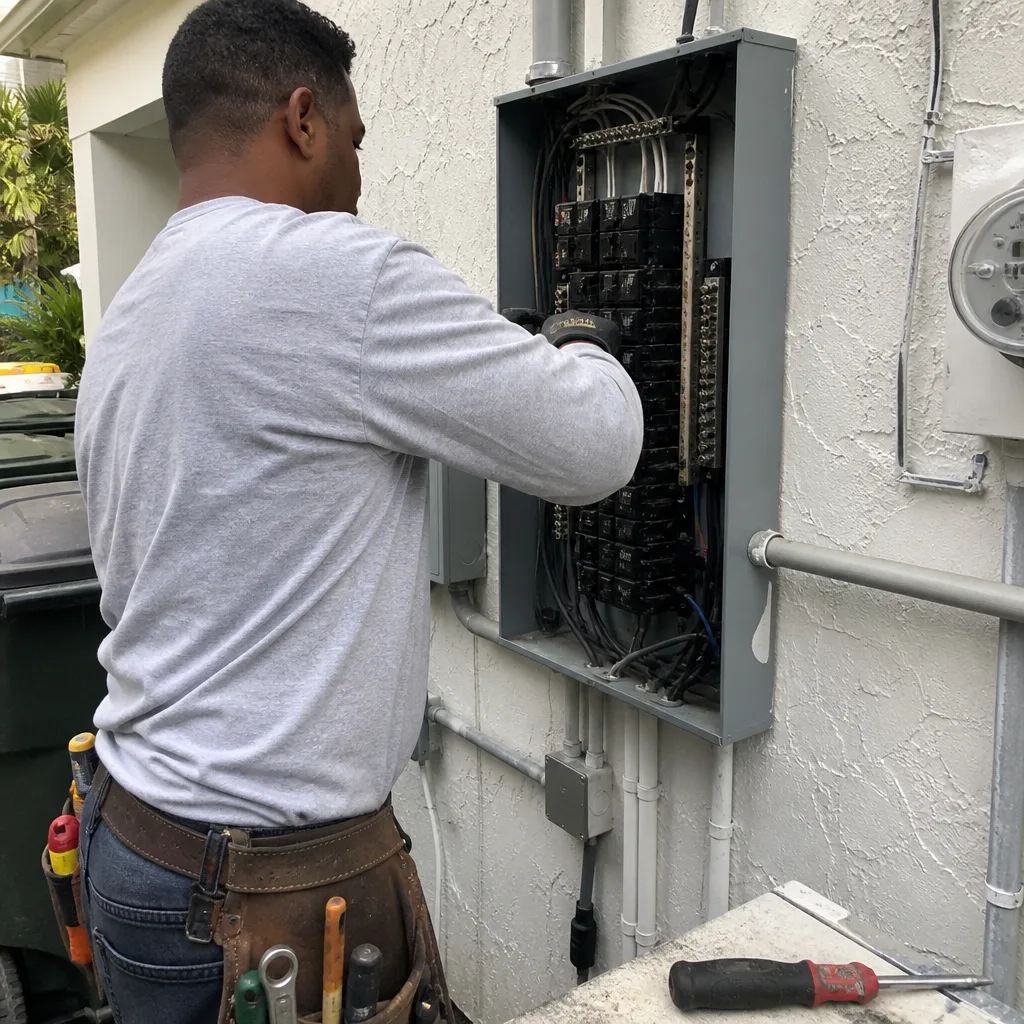 After
AfterWhen to Call a Professional
Any project that touches structural walls, electrical panels, plumbing lines, gas connections, or roofing in Fort Lauderdale should involve a licensed contractor. This isn’t a skill issue – it’s a legal one. Florida requires permits on these systems, and unpermitted work invalidates your homeowner’s insurance, kills your resale value, and opens you to fines from the city or county. If your project involves moving a wall, relocating a sink or toilet, adding an outlet, or replacing more than a few roof tiles, call a professional. The permit and inspection process is navigable for a homeowner if you have time and patience, but the structural and electrical trade work itself should not be DIY. Mason Remodeling Co Fort Lauderdale offers free estimates in Fort Lauderdale – call (754) 354-3720.
Frequently Asked Questions
A typical kitchen or bath remodel in Fort Lauderdale takes 10 to 14 weeks from design to final inspection, with HOA architectural review and permit wait times accounting for 4 to 8 of those weeks. Smaller projects with no structural changes can finish in 3 to 6 weeks once permits are approved. Call (754) 354-3720 for a specific timeline for your project – estimates are free.
Yes, for most work. Fort Lauderdale and Broward County require permits for any electrical, plumbing, structural, or mechanical change, even in minor remodels. Cosmetic work like painting, flooring, and cabinet refacing without moving any systems typically doesn’t require a permit, but changing out a sink, toilet, light fixture, or any wall penetration does. A licensed contractor can tell you which permits your specific project will trigger.
New construction in Fort Lauderdale generally runs $180 to $300 per square foot for standard residential builds, while remodels run $80 to $180 per square foot depending on complexity, flood zone, and material specifications. A kitchen remodel typically lands between $45,000 and $90,000, a bathroom between $18,000 and $45,000, and a whole-home remodel between $100,000 and $300,000 depending on square footage and scope. Call (754) 354-3720 for an exact quote – estimates are free and written in advance.
Florida law allows homeowners to pull owner-builder permits on their primary residence, but in practice very few Fort Lauderdale homeowners should. Owner-builder permits expose you to workers’ compensation liability for every subcontractor, and you assume responsibility for code compliance, inspection scheduling, and coordination across trades. Most Fort Lauderdale homeowners we talk to after a bad owner-builder experience say the stress wasn’t worth the savings.
Yes, in most cases. Florida Building Code has required impact-resistant glazing or shutters on new construction and significant remodels in wind-borne debris zones, which includes virtually all of Fort Lauderdale, since the code was updated after Hurricane Andrew. Replacing non-impact windows during a remodel will trigger the requirement. Window brands specified for marine environments, such as ES Windows and ECO Window Systems, are built to meet these standards from the factory.
Document everything, file a complaint with the Florida DBPR, contact your local permitting office to understand the status of your open permits, and consult a construction attorney. If you paid by credit card, dispute the charges immediately. This is one reason verifying the license, checking the DBPR record, and insisting on a written price with a written guarantee before work begins is essential in Fort Lauderdale. For more guides & resources on protecting your project, explore our blog.
The Bottom Line
Construction in Fort Lauderdale is a code-heavy, flood-zone-conscious, salt-air-harsh environment where the permitting process often matters more than the construction work itself. The homeowners who succeed are the ones who check their flood zone before signing, respect the HOA review process, verify licenses on the DBPR portal, and work with a contractor who writes the price before work starts and the guarantee before the final check. At Mason Remodeling Co Fort Lauderdale, that’s how we’ve operated since 2004: a written price on every project, a written guarantee on every completion, and a crew you’ve met by name and photo before they reach your door. Call (754) 354-3720 when you’re ready to talk about your project – a live person answers 24 hours a day, 7 days a week, and your estimate is free.
Written by Isaac Pruett, Owner at Mason Remodeling Co Fort Lauderdale, serving Fort Lauderdale since 2004.