Last updated October 15, 2026







Free written scope consultation - allowances, timeline, and change-order rules on paper before a single trade is scheduled
General Contractor Maintenance Checklist for Fort Lauderdale Homeowners
A roof that passes October’s hurricane-season inspection can develop active mold in a soffit by January if the post-storm ventilation check was skipped. Yet most home maintenance checklists treat roofing as a once-a-year item, as if Fort Lauderdale had four predictable seasons instead of a wet/dry split that punishes specific building materials on a schedule. This guide is built around the actual failure points we see in Fort Lauderdale homes, month by month, so you can catch problems before they become insurance claims or five-figure repairs.
Styles & brands we work with




Quick Answer
A Fort Lauderdale home maintenance checklist should follow the region’s wet/dry cycle, not a generic seasonal calendar. The core tasks are: pre-hurricane-season roof and opening inspections in May, post-storm triage after every named event, monthly salt-corrosion checks on exterior hardware, quarterly HVAC and humidity-control maintenance, and documented drainage and mold inspections after heavy rain periods. Homes that follow a month-by-month schedule tied to Broward County’s climate patterns avoid most of the deferred-maintenance damage that shows up on resale disclosures.
Table of Contents
- The Month-by-Month Fort Lauderdale Maintenance Calendar
- Salt Air Corrosion: What Fails First and When to Replace It
- The Post-Storm Inspection Sequence: Ordered by What Fails First
- HVAC and Ductwork: The Humidity Load Fort Lauderdale Systems Carry
- Mold and Moisture: Reading the Signs After Every Heavy Rain
- Documenting Maintenance for Insurance and Resale in Broward County
- When to Call a Professional
- Frequently Asked Questions
The Month-by-Month Fort Lauderdale Maintenance Calendar
Most national checklists tell you to clean gutters in fall and check the roof in spring. Fort Lauderdale doesn’t work that way. Our dry season runs November through April, and the wet season runs May through October, with hurricane activity peaking between mid-August and late October. Here’s the calendar we recommend to homeowners across Fort Lauderdale, from Victoria Park to Rio Vista to Coral Ridge.
January – February: The Dry Season Work Window
This is the best time of year for exterior work in Fort Lauderdale. Low humidity means paint cures properly, caulk adheres, and roof repairs hold. If you’ve been putting off a re-roof or exterior painting, these two months are when conditions cooperate.
- Paint and sealant inspection: Walk the exterior and look for peeling paint, cracked caulk around windows and doors, and gaps in stucco. Salt air accelerates paint failure, especially on east-facing walls that catch the ocean breeze.
- Roof inspection: Schedule a contractor to check for loose tiles, worn flashing, and debris from winter winds. Don’t wait until May when every roofer in Broward County is booked solid.
- Window and door seal check: Run a hand along the edges of windows and doors on a breezy day. If you feel air moving, the weatherstripping or caulk has failed. ESE wind-driven rain during summer storms will find those gaps.
- Pool cage and screen enclosure inspection: Check for rust at fasteners, torn screens, and loose panels. Screen enclosures are common in Fort Lauderdale and take a beating from salt and sun.
March – April: Pre-Wet-Season Preparation
These two months are your last reliable window before afternoon thunderstorms become a daily event. Focus on anything that moves water.
- Clean and inspect gutters and downspouts: Even if you cleaned them in January, spring winds drop new debris. Make sure downspouts extend at least three feet from the foundation. Fort Lauderdale’s flat terrain means water doesn’t always drain away on its own.
- Test drainage around the foundation: Run a hose near the foundation for ten minutes and watch where water pools. Standing water against a slab for more than an hour after rain stops is a red flag. Regrade or add drainage before wet season starts.
- Check irrigation and outdoor faucets: Look for leaks at connections and sprinkler heads. A slow leak during wet season is redundant, but a leak during dry season wastes water and creates foundation-level moisture that attracts termites.
- Inspect the water heater for corrosion: Salt in Fort Lauderdale’s air accelerates rust on exposed pipes and connections. If you see green or white buildup around fittings, have a plumber look before it becomes a leak.
- Schedule HVAC maintenance before the heat hits: By late March, temperatures climb and every HVAC company in Broward gets busy. A March maintenance visit catches problems before the first 90-degree week, not during it.
May: Hurricane Season Prep
Hurricane season starts June 1, but May is when Fort Lauderdale homeowners should complete their prep work. After June 1, supply stores sell out of essentials and contractor schedules fill for weeks.
- Post-hurricane-season roof and opening inspection: Hire a licensed general contractor to check the roof covering, soffits, and all window and door openings. Look for loose ridge vents, lifted shingles or tiles, and any gap that wind-driven rain could exploit.
- Test storm shutters or impact windows: If you have accordion shutters, open and close each one. If you have impact windows, check the sealant around frames for cracks. A window that’s rated for impact but improperly sealed will still leak.
- Trim trees and remove dead limbs: Fort Lauderdale’s oaks, palms, and ficus trees drop limbs during storms. Anything within ten feet of the roofline is a risk. Hire a licensed tree service; a falling limb is the leading cause of roof damage in hurricanes.
- Secure loose items in the yard: Outdoor furniture, grills, potted plants, and even trash cans become projectiles in 100-mph winds. Store them indoors or strap them down before a storm watch, not after.
- Document your home’s condition: Take dated photos of the roof, exterior walls, windows, doors, and yard. If you file an insurance claim after a storm, these pre-storm photos are your baseline evidence of prior condition.
June – October: Wet Season and Storm Response
This is not a “do nothing and wait for fall” period. Wet season in Fort Lauderdale is when homes accumulate the moisture damage that shows up months later as mold, rot, or termite activity.
- After every heavy rain, check ceilings for water stains: A small brown ring on a ceiling is an active leak, even if it doesn’t drip. The leak is likely above in a roof penetration or failed flashing.
- Check window sills and door thresholds after storms: Water pooling on interior sills after rain means the exterior seal has failed. Dry the area immediately to prevent mold, then schedule a repair.
- Run the bathroom exhaust fan after every shower for at least 20 minutes: Fort Lauderdale’s outdoor humidity means indoor moisture doesn’t dissipate on its own. A bathroom that stays damp for hours is a mold risk.
- Inspect for termites during and after wet months: Subterranean termites in South Florida are most active when the ground is saturated. Look for mud tubes on foundation walls, hollow-sounding wood, and discarded wings near doors and windows.
- After any named storm passes, do the triage sequence in the next section: Don’t wait for an adjuster. Document damage immediately and make temporary repairs to prevent further damage. Your insurance policy requires it.
November – December: Dry Season Reset
When the humidity drops and the afternoon storms stop, Fort Lauderdale homes enter their most stable period. This is when you catch up on everything deferred during storm season.
- Inspect the roof for storm damage that wasn’t obvious in October: After hurricane season ends, schedule a follow-up roof inspection. Wind damage to shingles or tiles isn’t always visible from the ground, and a small lifted edge will fail during the next season.
- Reseal exterior wood surfaces: Decks, fences, and trim exposed to months of rain need a fresh coat of sealant. Salt accelerates wood degradation, especially on horizontal surfaces where water pools.
- Service the generator if you have one: Run it under load for 30 minutes and check the oil, fuel, and battery. A generator that wasn’t tested during dry season won’t start when a hurricane knocks out power.
- Schedule interior painting and drywall touch-ups: Dry season is when interior paint dries fastest and odors dissipate quickly. If you had any small leaks during wet season, repair and repaint before the stains set permanently.
This calendar isn’t arbitrary. It’s sequenced around Fort Lauderdale’s climate cycle, and skipping a step in one month creates a cascading maintenance debt that compounds through the season. A homeowner who skips the May roof inspection will discover it as a leak during a July afternoon storm, when every contractor is already on another roof.
Salt Air Corrosion: What Fails First and When to Replace It
Fort Lauderdale’s coastal air carries salt particles that accelerate corrosion on metal components far faster than inland Florida locations. Homes within three miles of the ocean experience measurable salt deposition, but the effect extends across the city, especially in neighborhoods like Lauderdale Harbours, Coral Ridge, and Harbor Beach. Here’s what fails, in the order it fails, with realistic replacement timelines.
Fasteners and Hardware: 2-5 Years
Zinc-plated and standard steel screws, bolts, and brackets on exterior applications will show rust within two to three years in Fort Lauderdale’s salt air. The most common failure points we see on home remodeling projects across Fort Lauderdale are:
- Gate hinges and latches: Rusted within two years on homes near the Intracoastal. Replace with stainless steel (316 marine grade) or hot-dipped galvanized hardware.
- Fence post brackets: Fail at the base where water pools and salt concentrates. Check seasonally and replace before the post loosens.
- Lanai and pool cage fasteners: Aluminum cages are held together with steel screws that rust and stain the aluminum. Inspect annually and replace with coated stainless.
- Exterior light fixtures: Wiring connections inside fixtures corrode even when the fixture body looks fine. If a light flickers or trips a breaker, check the internals before replacing the whole fixture.
Caulk and Sealants: 3-7 Years
Caulk fails slowly, then all at once. The first sign is usually a hairline crack that expands each time the material heats and cools. In Fort Lauderdale’s sun, exterior caulk around windows, doors, and rooflines has a realistic lifespan of three to five years before it needs replacement. Silicone-based products last longer in salt air than acrylic latex. The failure sequence goes: crack appears, water enters during a rain event, the moisture wicks into adjacent wood or drywall, and by the time you see interior staining, the caulk has been failing for months. Check caulk in March and October: before wet season starts and after hurricane season ends.
Protective Coatings: 5-10 Years
Paint and clear coatings on exterior surfaces wear faster in Fort Lauderdale than anywhere in inland Florida. East-facing walls catch the brunt of salt-laden breeze and lose their sheen within two to three years, with full failure by year five or six. What most homeowners miss is that the coating isn’t cosmetic, it’s the protective barrier that keeps moisture and salt off the substrate beneath. A stucco wall with intact paint repels water; a stucco wall with failed paint absorbs it, and then the rebar inside the stucco starts rusting, which causes the stucco to crack from the inside. That’s a structural repair, not a paint job.
Metal Roofing Components: 10-20 Years at the Fasteners
Metal roofs themselves can last decades, but the fasteners, flashing, and sealant at penetrations fail far sooner in a salt environment. Pipe boots, chimney flashing, and vent collars are the weak points. Many roof leaks in Fort Lauderdale aren’t from failed roofing material; they’re from corroded flashing that separated from a penetration point. Check these during both the May pre-storm inspection and the November post-storm inspection.
Here’s a practical replacement schedule for Fort Lauderdale coastal homes:
- Every 2 years: Exterior gate and fence hardware, light fixture internals
- Every 3-4 years: Window and door caulk, exterior silicone sealant around penetrations
- Every 5 years: Exterior paint on east-facing walls, pool cage fasteners
- Every 7-10 years: Full exterior repaint, roof flashing and sealant replacement
- Every 10-15 years: Full roof component review including fasteners and underlayment inspection
These aren’t suggestions. They’re the observed failure timelines from a Fort Lauderdale home’s coastal exposure. If you wait until something visibly fails, the repair cost multiplies because the failure has already caused secondary damage.
The Post-Storm Inspection Sequence: Ordered by What Fails First
After a named storm passes Fort Lauderdale, homeowners face a triage decision. Some damage is obvious: a tree on the roof, a broken window. But the most expensive damage is often the least visible, and the order in which you inspect matters. Here’s the sequence a professional general contractor follows, ordered by what fails first in a hurricane’s wake.
Step 1: Roof Covering and Flashings
The roof takes the first hit in any storm with wind and rain. Look for lifted or missing shingles, cracked tiles, dented metal panels, and separated flashing at chimneys, vents, and skylights. From the ground, check for dark spots that indicate missing granules or exposed underlayment. A roof leak won’t always show on the ceiling immediately; water can travel along rafters for days before it finds a path down.
Step 2: Soffits, Fascia, and Eave Vents
Wind gets underneath soffit panels and pulls them loose, which opens the attic to rain and wind-driven moisture. A pulled soffit is more than cosmetic; it’s an entry point for water and pests. Check for sagging soffit panels, missing vent covers, and fascia boards that have separated from the roofline. This is the failure point that leads to the January mold-in-the-soffit problem mentioned earlier.
Step 3: Window and Door Seals
Impact windows and doors survive hurricanes, but their seals and gaskets may not. Check each window and exterior door for water lines, damp sills, and drafts. Run your finger along the inside edge of each window frame; if you feel moisture or see mineral deposits, the seal failed during the storm. A window that passed its pre-storm check can still fail when wind-driven rain hits it at 75 mph from an angle it hasn’t seen before.
Step 4: Exterior Walls and Stucco
Walk the perimeter and look for cracks, stains, and bulges in stucco or siding. Wind pressure can flex walls enough to crack rigid stucco, and those cracks become water entry points for the next storm. Pay attention to corners and areas around window and door openings, where stress concentrates.
Step 5: Drainage and Ground-Level Systems
After the roof and walls, check the ground. Gutters and downspouts should be clear of debris and still securely attached. Drainage swales, French drains, and catch basins should be free of leaves and sediment. If water pooled near the foundation during the storm, mark the spot and monitor it for the next few weeks; persistent pooling is a grading or drainage problem that needs correction before the next storm.
Step 6: Electrical and Mechanical Systems
Last, check the systems that power and condition your home. Look for tripped breakers, flickering lights, or unusual odors from outlets. Check the air handler closet or garage for moisture, and inspect the outdoor condenser unit for debris or standing water. If the power went out during the storm, have an electrician inspect the main panel for surge damage before running heavy loads.
Document everything with photos and notes at each step, even if you don’t see damage. If a claim arises later, a dated, methodical post-storm record is far more credible than a single photo of a single problem.
HVAC and Ductwork: The Humidity Load Fort Lauderdale Systems Carry
Fort Lauderdale’s HVAC systems work harder than almost anywhere else in the continental U.S. The combination of high ambient humidity, salt in the air, and year-round cooling demand means a system that would last 15 years in a dry climate often shows serious wear by year 10 here. The failure points are predictable: corroded coils, clogged drain lines, and ductwork that’s absorbed moisture and grown mold.
Condensate Drain Lines: The Most Overlooked Maintenance Item
Every air conditioner produces condensation. In Fort Lauderdale, that condensation volume is higher because the system runs longer and the air holds more moisture. The condensate drain line carries that water outside, but algae and mold grow inside the line, especially during wet season. A clogged drain line backs water into the drain pan, which overflows and damages drywall, flooring, and anything nearby. The fix is simple: pour a cup of white vinegar down the drain line monthly during wet season, and have the line professionally flushed during the March maintenance visit. The cost of a clogged line repair in Fort Lauderdale routinely runs $500 to $1,500 in water damage, which makes the vinegar the cheapest insurance you’ll ever buy.
Coil Corrosion: The Salt Factor
Evaporator coils and condenser coils are typically aluminum or copper tubing with aluminum fins. Salt air causes galvanic corrosion at the joints where dissimilar metals meet. Homes within three miles of the ocean see visible coil corrosion within five to seven years. The symptom is reduced cooling capacity: the system runs longer and the house still feels humid. A corroded coil can’t transfer heat efficiently, and once corrosion starts, the coil needs replacement, not cleaning. During your March maintenance visit, ask the technician to check coil condition specifically; many will note “coil is dirty” when the actual problem is corrosion.
Ductwork and Indoor Humidity
Ductwork in unconditioned attics is common in older Fort Lauderdale homes. The ducts carry cold air through a 130-degree attic, and if the ducts aren’t properly sealed and insulated, two things happen. First, the cold air warms up before it reaches the rooms, so the system runs longer. Second, condensation forms on the outside of the ducts, and in Fort Lauderdale’s attic conditions, that moisture feeds mold growth on the duct surface and surrounding insulation. If you smell a musty odor when the AC kicks on, or if certain rooms are consistently warmer than others, have the ducts inspected for leaks, separation, and mold. Duct replacement is a significant expense, but running moldy air through a finished home is worse.
Filter Reality in Fort Lauderdale
The standard advice is to change your HVAC filter every 90 days. In Fort Lauderdale, during wet season, that’s too long. The system runs constantly, which means the filter loads up with dust, mold spores, and salt particles faster. Check the filter monthly from June through October, and change it when it’s visibly dirty, even if it’s been only four weeks. A clogged filter restricts airflow, which makes the system work harder, which increases energy costs and shortens equipment life. During dry season, a 90-day interval is usually fine.
For a deeper look at how a general contractor in Fort Lauderdale approaches whole-home system maintenance, including HVAC coordination with remodeling work, reach out and we’ll walk you through what we look for during inspections.
Mold and Moisture: Reading the Signs After Every Heavy Rain
Fort Lauderdale’s mold season doesn’t follow a calendar. It follows rain events. Every time the city gets two or more inches of rain in a 24-hour period, the conditions are right for mold growth in any home with a moisture intrusion or humidity problem. Mold needs three things: organic material (drywall, wood, fabric), moisture, and time. Fort Lauderdale provides all three in abundance.
The 48-Hour Rule
Mold begins growing within 24 to 48 hours of a moisture event. That’s not an exaggeration; it’s the documented biological window. If water enters your home through a roof leak, window seal failure, or plumbing issue, you have roughly two days to dry the area completely before mold colonizes. That’s why the post-storm inspection sequence matters: catching a soffit leak on day one prevents a mold remediation project on day ten.
Signs That Precede Visible Mold
By the time you see black spots on a wall, the mold colony is well established. Look for earlier indicators:
- Musty odor that persists after cleaning: That smell is microbial volatile organic compounds, and it means active mold somewhere. The source is often hidden: behind baseboards, inside wall cavities, under carpet, above ceiling tiles.
- Peeling or bubbling paint: Moisture trapped behind paint causes adhesion failure. If paint is peeling in a pattern that suggests water, not just age, there’s moisture behind it.
- Warped baseboards or door casings: Wood expands when it absorbs moisture and doesn’t always return to its original shape.
- Increased allergy symptoms indoors: If you or family members sneeze more at home than away, mold spores are a likely suspect.
- Condensation on windows or walls: Persistent condensation means indoor humidity is too high, and high humidity alone can support mold growth on surfaces even without a leak.
Where Mold Hides in Fort Lauderdale Homes
We’ve found mold in places that surprise homeowners. The most common hidden locations in Fort Lauderdale homes are:
- Inside soffits and eave areas: Storm-driven rain enters through small gaps and soaks the wood, which stays damp because attic ventilation can’t reach that tight space.
- Behind kitchen and bathroom cabinets: Slow plumbing leaks go unnoticed for months because the cabinet base hides the evidence.
- Inside AC closets and air handler platforms: Condensate overflows and humidity around the unit create a microclimate that supports mold on drywall and wood framing.
- Under carpet near exterior doors: Thresholds leak, water wicks into the carpet pad, and the carpet dries on top while the pad stays wet for weeks.
- Inside wall cavities behind window frames: Leaking window seals let water run down inside the wall, where it soaks insulation and framing members.
What To Do When You Find It
Small areas of surface mold on non-porous materials can be cleaned with soap and water followed by a disinfectant. But if the mold covers more than ten square feet, has penetrated drywall or insulation, or is located inside wall cavities, professional remediation is the right call. Cutting into a moldy wall cavity without proper containment spreads spores throughout the house. And here’s the part most homeowners don’t know: if you have a mold problem and file an insurance claim later for related water damage, the insurer will ask when you first noticed the problem. Documented maintenance records and timely remediation are the difference between a covered claim and a denied one.
For a broader view of how moisture management fits into home remodeling in Fort Lauderdale, we include a moisture and ventilation assessment in every project scope we prepare.
Documenting Maintenance for Insurance and Resale in Broward County
Maintenance documentation isn’t paperwork for its own sake. It’s the evidence that separates a routine repair from a covered insurance loss, and it’s what home inspectors and buyers look for when a Fort Lauderdale home goes under contract. In Broward County’s market, where homes sell for significant sums and insurance costs run high, verifiable maintenance history has real dollar value.
What Insurance Adjusters Look For
When you file a claim for water damage, mold, or storm-related loss, the adjuster’s first question is about prior condition. If you claim storm damage to a roof that hasn’t been inspected in five years, the insurer may argue deferred maintenance, not storm force, caused the failure. If you can produce dated photos and contractor reports showing the roof was inspected and in good condition before the storm, the claim is much harder to dispute. After any repair or inspection, ask for a written report and keep it with your policy documents. Photograph everything: before and after repairs, inspection reports, and the condition of vulnerable areas at the start of each hurricane season.
What Broward County Inspectors Flag as Deferred Maintenance
When a home goes under contract, a licensed home inspector walks the property and produces a report that becomes part of the negotiation. In Fort Lauderdale, the items that come up most often as deferred maintenance are:
- Roof at or beyond its expected lifespan: In coastal Florida, a 20-year-old roof is a negotiating point, and many insurers won’t write a new policy on a roof over 15 years old. If you’ve maintained the roof and have documentation, you can present it to counter the buyer’s concern.
- Evidence of past or active leaks: Water stains on ceilings, even old and dry, raise questions. If the stain was repaired and the source fixed, document it. A dry stain with a repair report is a non-issue; a stain with no explanation is a red flag.
- Rust on exterior hardware and fixtures: It’s cosmetic until it isn’t. Rusted hinges, gate latches, and light fixtures suggest the home hasn’t had routine exterior maintenance.
- HVAC system age and condition: In Fort Lauderdale, an HVAC system over 10 years old draws attention. Maintenance records showing annual service and coil condition can extend the perceived useful life.
- Evidence of termite activity or damage: Even old, inactive termite damage matters. If you’ve had treatment, keep the paperwork.
Creating a Maintenance File That Works
You don’t need a complicated system. A simple approach works:
- Keep a digital folder or cloud album for each year. Label photos by date and location: “2026-05-roof-inspection,” “2026-11-post-storm-soffit-check.”
- Scan and file every contractor report and invoice. Even a routine gutter cleaning receipt proves you maintained the home.
- Take baseline photos at the start of each hurricane season. Roof from multiple angles, exterior walls, windows, doors, yard.
- After any repair, take “after” photos that match the “before” angles. This is the strongest evidence you can present to an adjuster or buyer.
- Note any warranty periods and coverage terms. If a repair is under warranty and fails, the documentation triggers the warranty process.
We apply the same attention to documentation on every general contracting project we complete in Fort Lauderdale. A written scope, a written price, and a written warranty are the baseline, not the exception.
Common Mistakes to Avoid
- Following a national checklist as if Fort Lauderdale had four seasons. “Clean gutters in fall” is meaningless here. The real tasks are sequenced around wet season prep in May and post-storm recovery in November. Using the wrong calendar means you do the right task at the wrong time and it fails before the next season anyway.
- Waiting for a visible failure before replacing caulk, hardware, or coatings. By the time a window seal visibly cracks or a gate hinge rusts through, the damage behind or around it has already begun. Salt air corrosion in Fort Lauderdale moves quietly and then expensively.
- Skipping the post-storm soffit inspection. Soffits are the most common post-hurricane failure point we see on Fort Lauderdale homes, and the damage is almost never visible from the ground. A pulled soffit panel lets rain into the attic every day for weeks until the mold smell appears.
- Ignoring the condensate drain line on the HVAC. This is the single most preventable cause of water damage in Fort Lauderdale homes. A cup of vinegar monthly during wet season costs less than a dollar. The water damage from a clogged line costs thousands.
- Not documenting maintenance and repairs. If you don’t have records, an insurance adjuster or buyer will assume the worst. Documentation is free and takes minutes, but the absence of it can cost you a claim denial or a price reduction on sale.
- Making a major home improvement decision without checking whether the work addresses the actual climate failure point. Painting over a moisture problem doesn’t fix the moisture. Replacing a roof without addressing ventilation doesn’t fix the soffit mold. Fort Lauderdale’s climate demands that you fix root causes, not symptoms.
- Hiring unlicensed contractors for storm repairs. After a hurricane, unlicensed “storm chasers” flood Broward County. They take deposits and disappear, or they do work that fails the next time it rains. Verify the contractor’s Florida license and check for local references before signing anything.
When to Call a Professional
Some maintenance tasks are genuinely do-it-yourself: changing HVAC filters, flushing a condensate line, checking caulk, documenting conditions. But other situations call for a professional, not because the task is difficult, but because getting it wrong is expensive or dangerous. If you see water stains on a ceiling, active mold inside a wall cavity, structural cracks in stucco, or electrical issues after a storm, call a licensed contractor before the problem compounds. If you’re unsure whether a roof issue is cosmetic or structural, the inspection cost is small compared to what a missed problem costs later. Mason Remodeling Co Fort Lauderdale offers free estimates in Fort Lauderdale for maintenance-related repairs and inspections, including roof checks, soffit repairs, moisture assessments, and general contractor walkthroughs. Call (754) 354-3720 to schedule yours.
Frequently Asked Questions
Twice a year is the minimum for Fort Lauderdale homes: once in May before hurricane season starts, and once in November after hurricane season ends. Homes within three miles of the coast, or those with older roofs, benefit from a third inspection in late summer when afternoon storms have been hammering the roof for months. Roof problems in Fort Lauderdale compound quickly, and a twice-yearly cadence catches most issues before they become leaks. Call (754) 354-3720 to schedule a free roof inspection estimate with Mason Remodeling Co Fort Lauderdale.
The most common preventable failure is the HVAC condensate drain line clogging during wet season. The system runs constantly, the humidity is high, and algae grows quickly in the warm, wet line. A clogged drain backs water into the home, causing drywall and flooring damage. Monthly vinegar flushes during June through October prevent most clogs, and a professional flush during March maintenance catches anything the vinegar missed.
Exterior caulk around windows, doors, and rooflines typically lasts three to four years in Fort Lauderdale’s coastal environment before it needs replacement. Homes east of Federal Highway, closer to the ocean, may see caulk failure in as little as two to three years. Check caulk in March before wet season and again in November after hurricane season ends, and replace any that shows cracks, gaps, or separation.
You should check your home’s vulnerable points after any rain event of two inches or more in 24 hours, not just after named storms. Fort Lauderdale’s afternoon thunderstorms can dump several inches of rain in an hour, and that volume finds any weakness in your home’s water defenses. The check doesn’t need to be exhaustive: look at ceilings for new stains, window sills for moisture, and the area around exterior doors for water lines. Ten minutes after a heavy rain catches problems that a once-a-year inspection misses.
After a hurricane passes Fort Lauderdale, the first maintenance step is to document everything with photos and notes, then check the roof covering and flashings from the ground, then the soffits and eave vents, then window and door seals. This sequence catches the failures that occur in order of frequency and severity. Don’t climb on the roof after a storm; use binoculars or hire a professional for the close-up inspection. Call (754) 354-3720 if you need a post-storm inspection in Fort Lauderdale.
How does Fort Lauderdale’s humidity affect home maintenance differently than inland Florida?
Fort Lauderdale’s humidity levels are consistently higher than inland Florida because of the ocean influence, and the result is that moisture problems have less time to dry out between rain events. An inland home might get a week of dry air after a rain to naturally dry a small leak.
See the difference
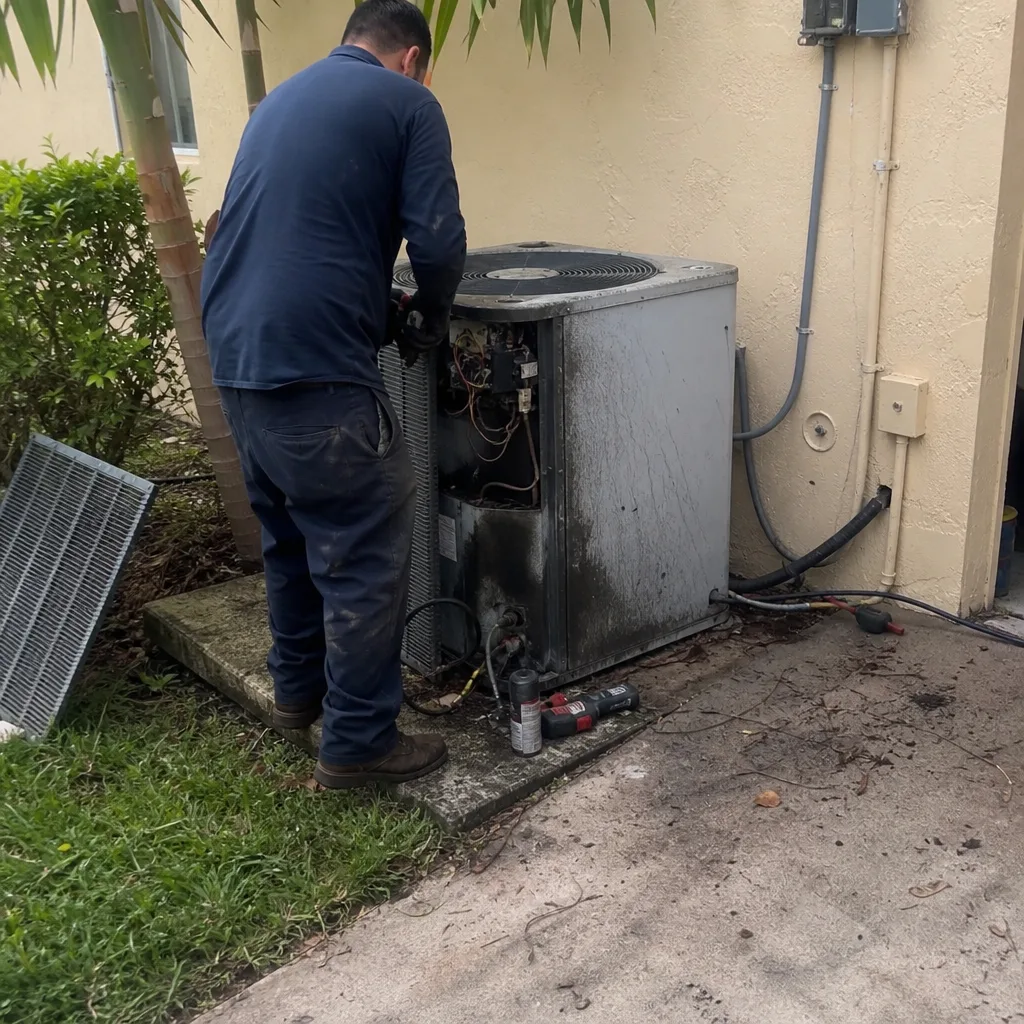 Before
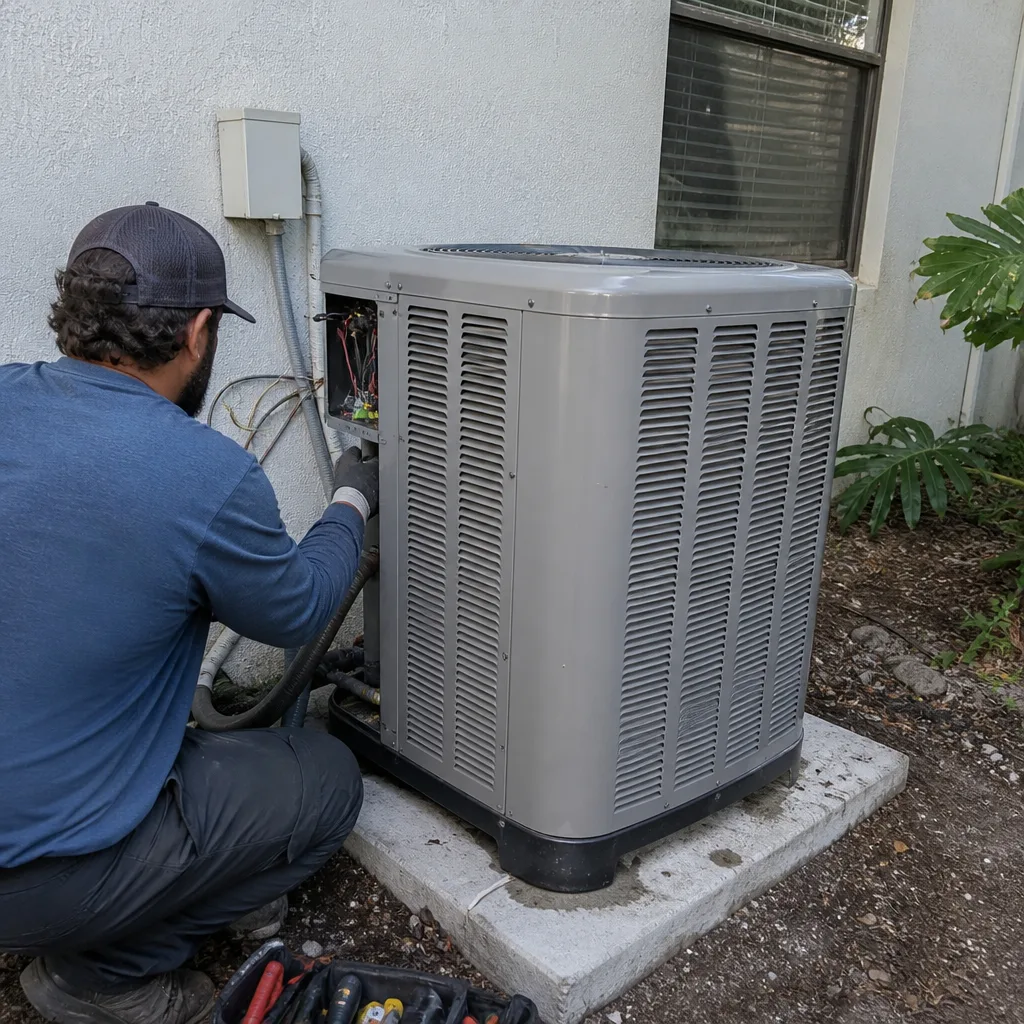 After
After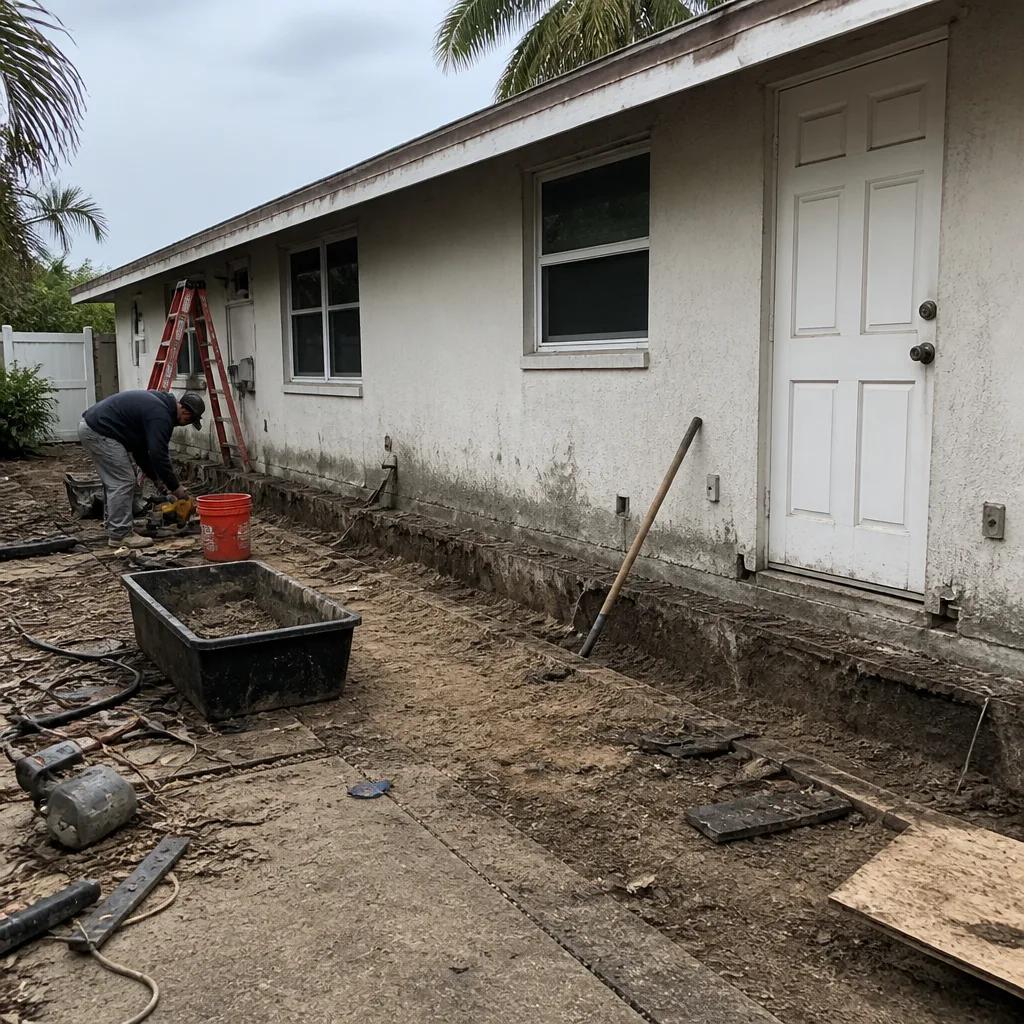 Before
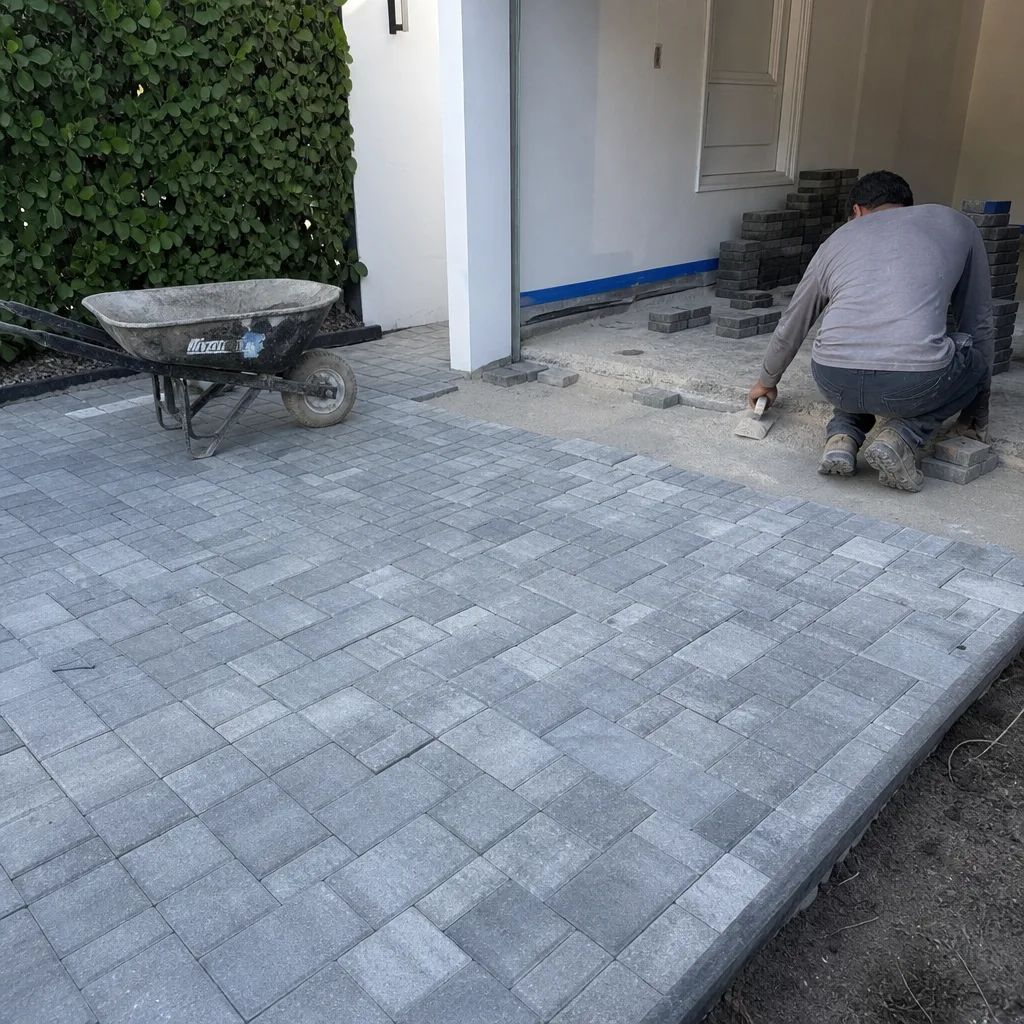 After
After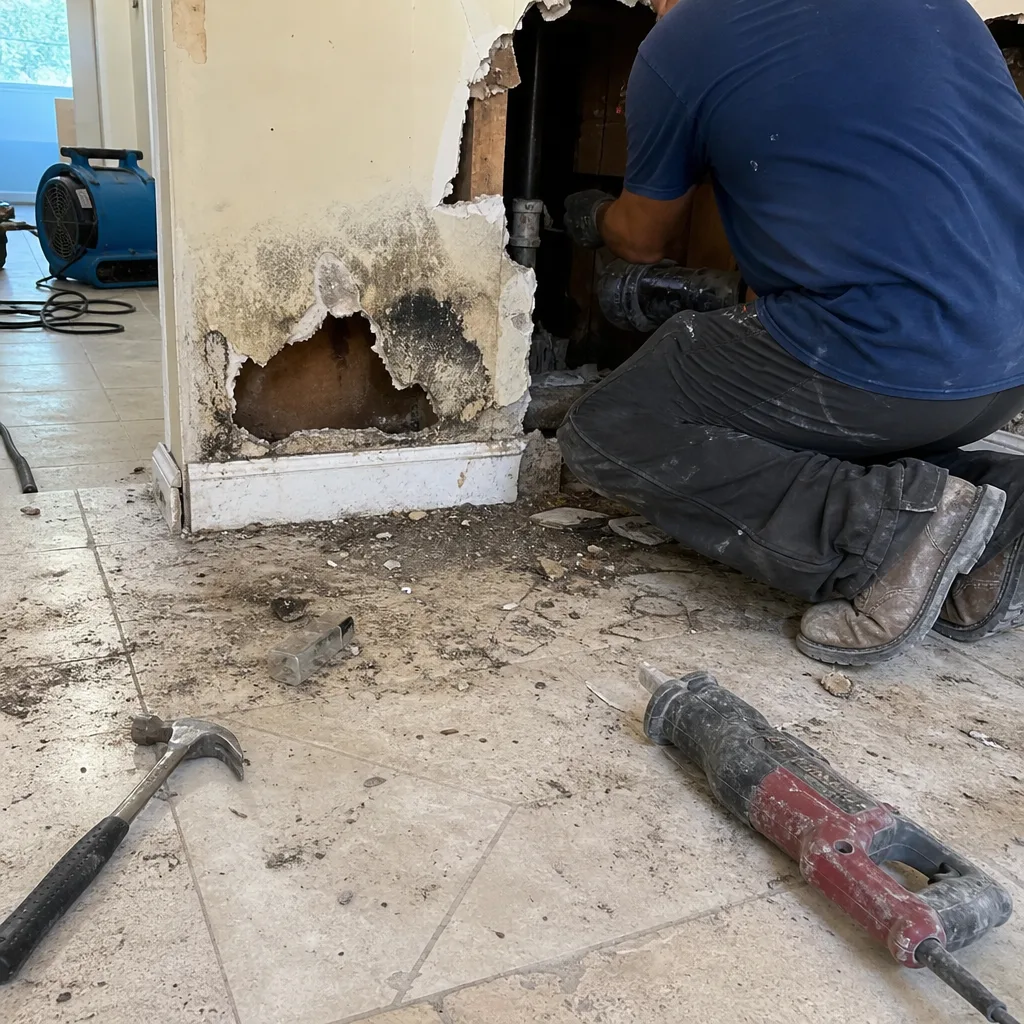 Before
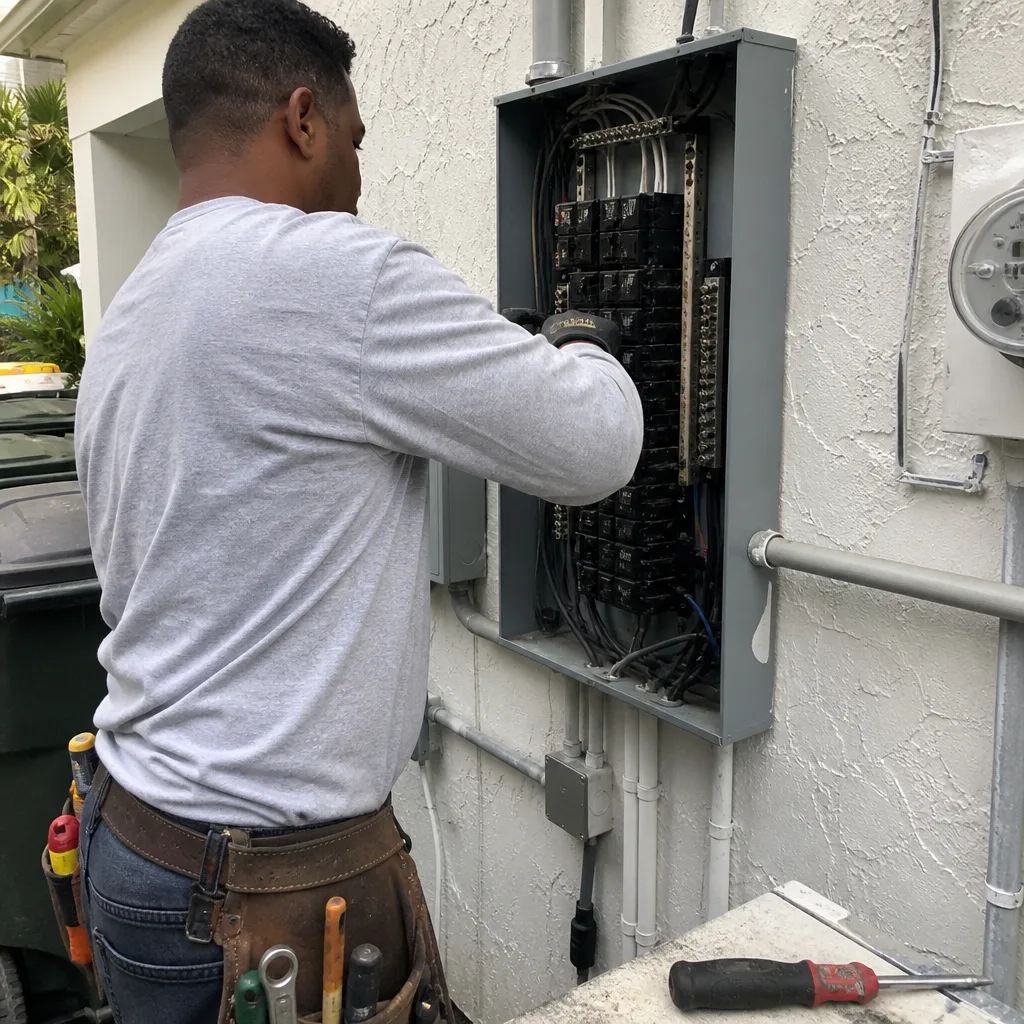 After
After