Last updated October 15, 2026






Free written scope consultation - allowances, timeline, and change-order rules on paper before a single trade is scheduled
Construction Permits, Codes & Inspections in FL: What You Need to Know
Florida’s building code is the strictest in the nation for wind load, and for good reason: a Category 5 hurricane doesn’t negotiate with drywall. But here’s what surprises most Fort Lauderdale homeowners: the code that actually governs your remodel isn’t a single document. It’s a patchwork of three overlapping jurisdictions, and the one with authority over your specific address changes what you can build, what you’ll pay, and whether your finished project passes final inspection. This guide decodes the jurisdiction question first, because getting it wrong is the single most expensive mistake you can make before a single permit is pulled. Explore our more guides & resources for additional homeowner support.
Quick Answer
Before starting any remodel in Fort Lauderdale, Florida, you must determine which jurisdiction governs your address: the City of Fort Lauderdale, Broward County, or a municipal overlay district. Then you file for the correct permit type under the 2023 Florida Building Code 8th Edition, schedule inspections at each required phase, and close out the permit within Broward County’s 180-day active inspection window. Missing any of these steps means your finished project can be flagged, fined, or forced open for re-inspection.
Styles & brands we work with
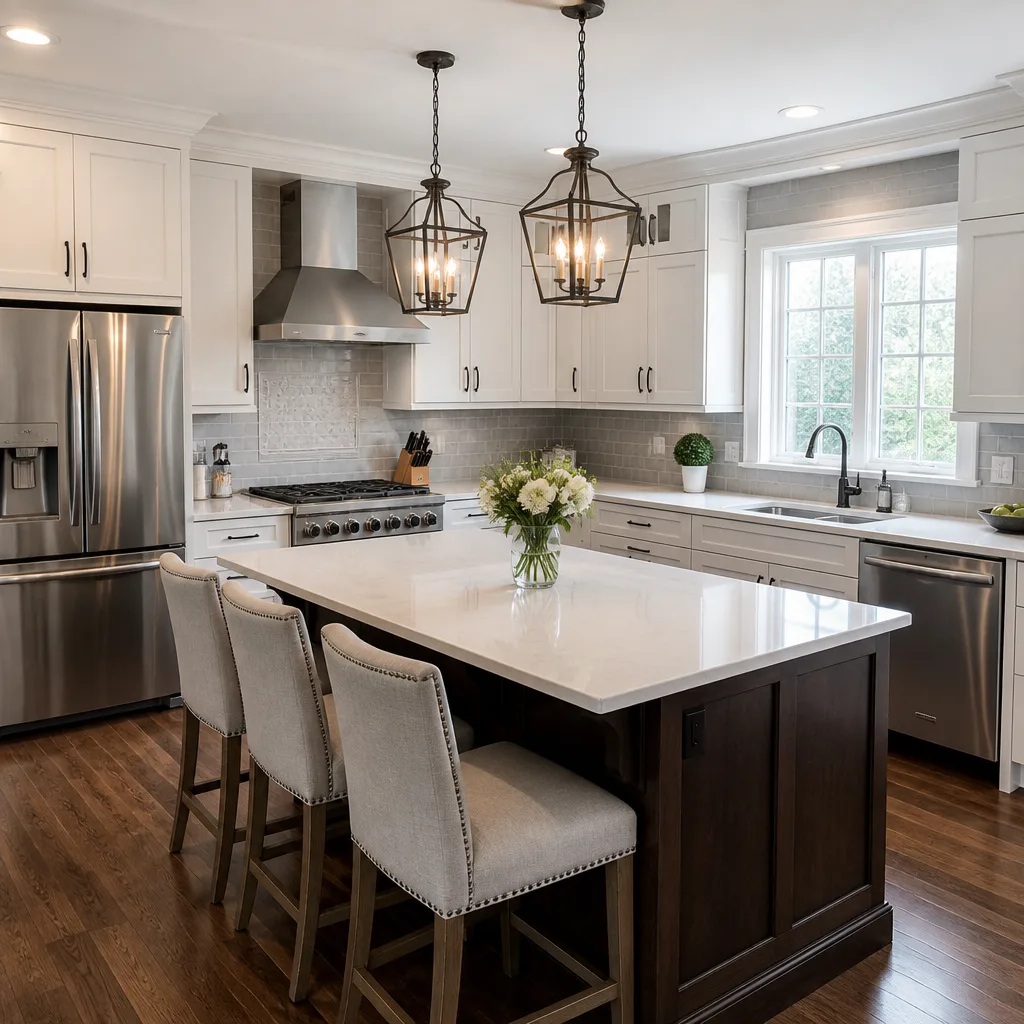
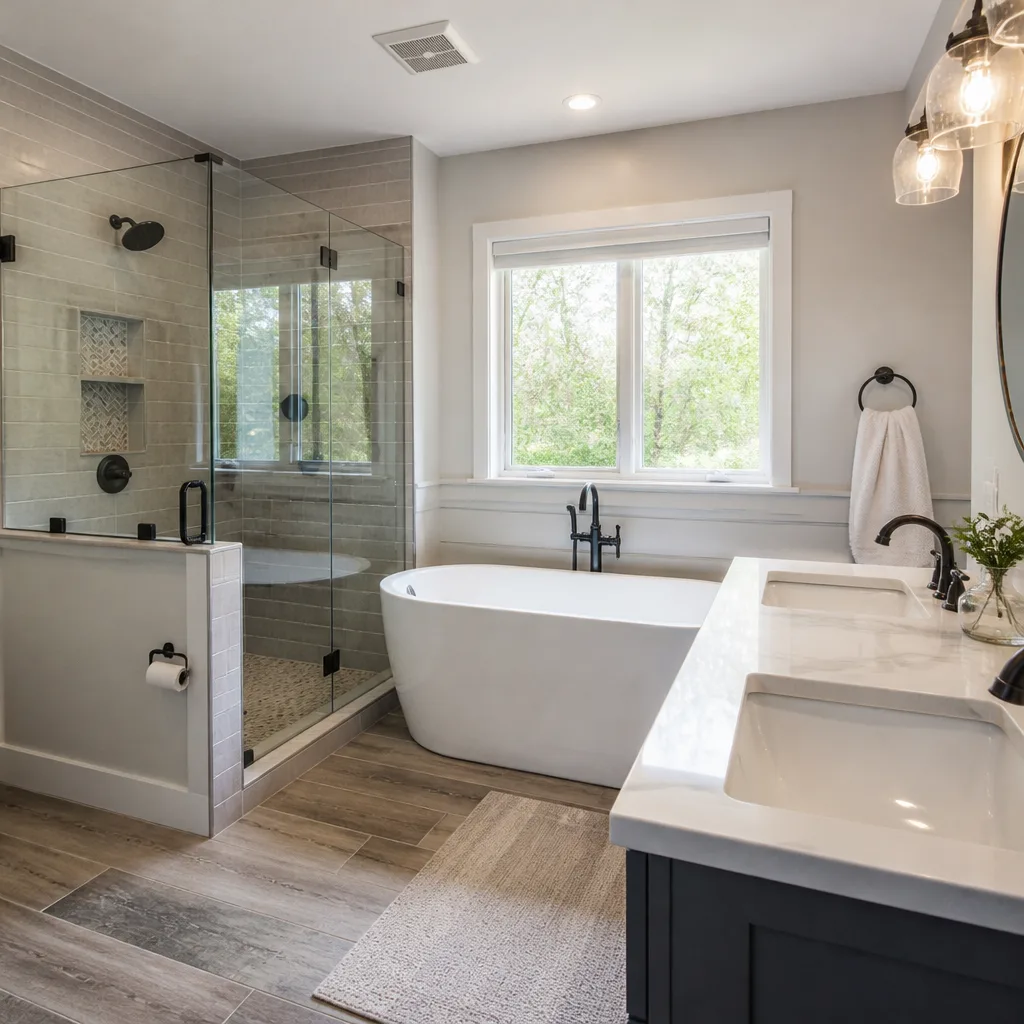
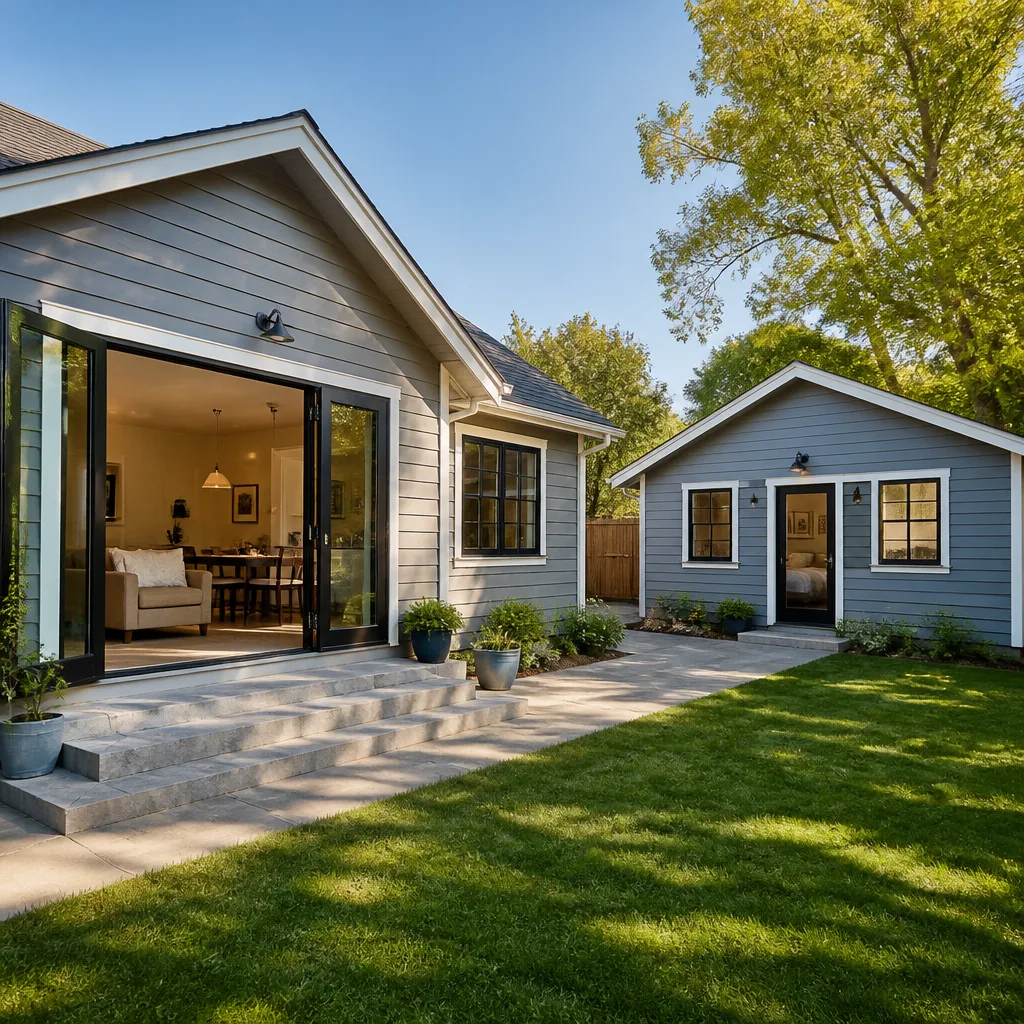

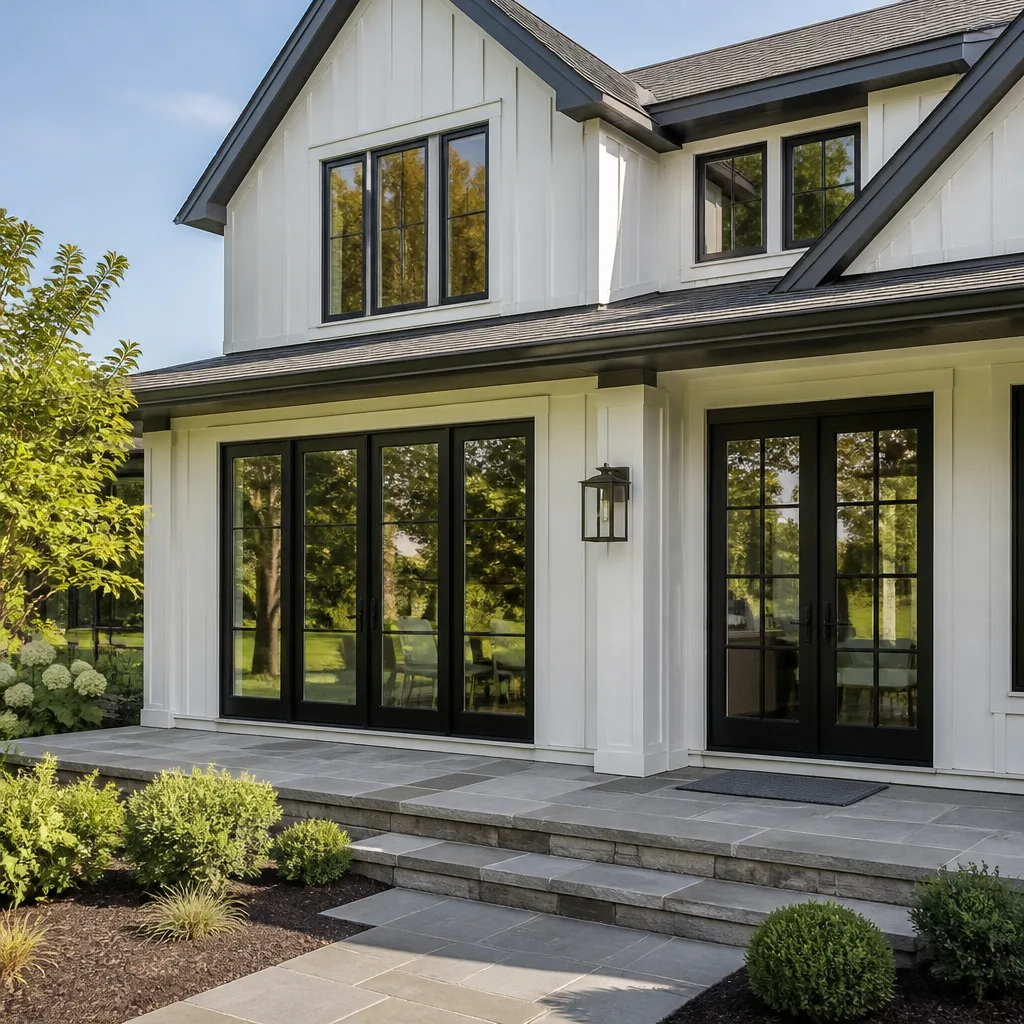
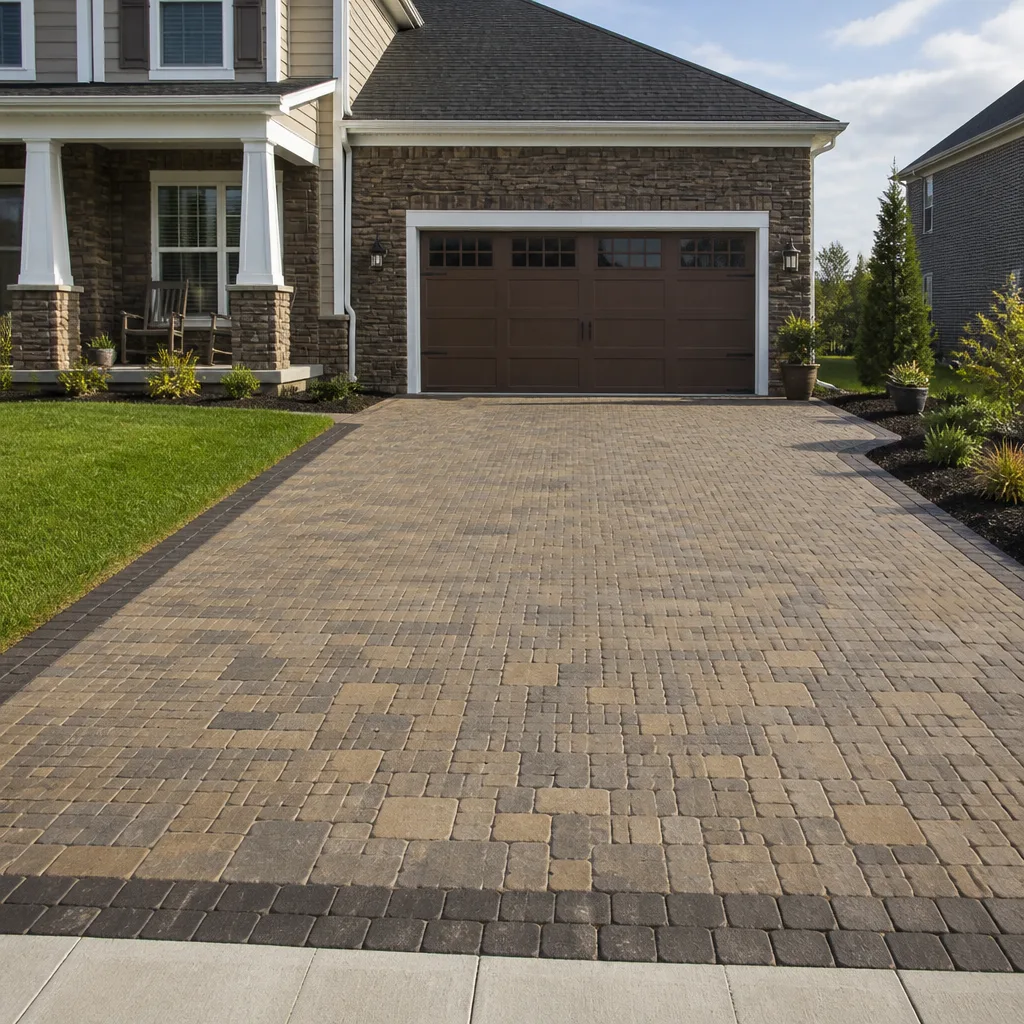
Table of Contents
- The Jurisdiction Question: Who Actually Governs Your Address
- 2023 Florida Building Code 8th Edition: What Changed for Your Remodel
- Which Permit Do You Actually Need in Fort Lauderdale?
- What Fort Lauderdale Permits Cost: Real Numbers
- The Re-Inspection Cascade: When a Simple Remodel Becomes Structural
- The 180-Day Permit Clock in Broward County
- Unpermitted Prior Work: The Liability You Inherit
- Scheduling Your Project Around Florida’s Inspection Calendar
The Jurisdiction Question: Who Actually Governs Your Address
Fort Lauderdale sits inside Broward County, and both entities issue building permits. Add in municipal overlay districts and special taxing zones, and you’ve got three layers of authority that can each claim a piece of your project. A kitchen remodel on one side of the street may fall under City jurisdiction, while the same remodel across the street falls under County review because of how annexation boundaries were drawn in the 1960s.
Here’s the process to determine your jurisdiction before filing anything:
- Check your property’s jurisdiction map. The City of Fort Lauderdale maintains a GIS parcel lookup tool that shows whether your address is inside city limits. If it’s not, you’re in unincorporated Broward County territory, and the County governs your permits.
- Verify any overlay districts. Even inside Fort Lauderdale city limits, certain neighborhoods fall under historic preservation overlays, coastal construction zones, or floodplain management areas that add review layers to your permit application.
- Confirm your contractor’s licensing jurisdiction. A contractor licensed by Broward County but not the City of Fort Lauderdale may not pull permits inside city limits. This is a failure point we’ve seen repeatedly in our work across Fort Lauderdale’s older neighborhoods like Victoria Park and Sailboat Bend.
- Ask the permitting office directly. The City of Fort Lauderdale’s Building Services division and Broward County’s Building Code Services division both take phone calls from homeowners. Get the answer in writing via email so you have a record.
Why does this matter so much? Because filing in the wrong jurisdiction means your permit gets rejected, your project stalls, and your contractor’s schedule falls apart. More importantly, if work starts under a County permit when the City has authority, the City can issue a stop-work order. That means penalties, re-inspection fees, and in some cases, opening finished walls to prove code compliance.
2023 Florida Building Code 8th Edition: What Changed for Your Remodel
Florida adopted the 8th Edition of the Florida Building Code in December 2023, with enforcement beginning in 2024. If your project starts in 2025 or 2026, this is the code that governs every inspection. It’s not a minor update. For residential remodeling, the changes that affect Fort Lauderdale homeowners most are in wind load requirements, energy efficiency, and waterproofing standards.
Here are the changes that directly affect your remodel:
- Wind load requirements tightened for doors and windows. Fort Lauderdale sits in the High Velocity Hurricane Zone, the most demanding wind zone in Florida. The 8th Edition updated impact-rated glazing requirements for new openings and replacement windows. If you’re adding a sliding glass door to a pool area or replacing all the windows in a 1970s ranch in Coral Ridge, the products must meet the newer standards.
- Energy code bumped to a stricter baseline. Florida’s energy conservation requirements now align more closely with the 2021 IECC. That means better insulation values in walls and attics, more efficient HVAC equipment, and mandatory air barrier testing for some scopes. For a whole-home remodel in Fort Lauderdale’s heat and humidity, this changes window specs, insulation types, and mechanical system sizing.
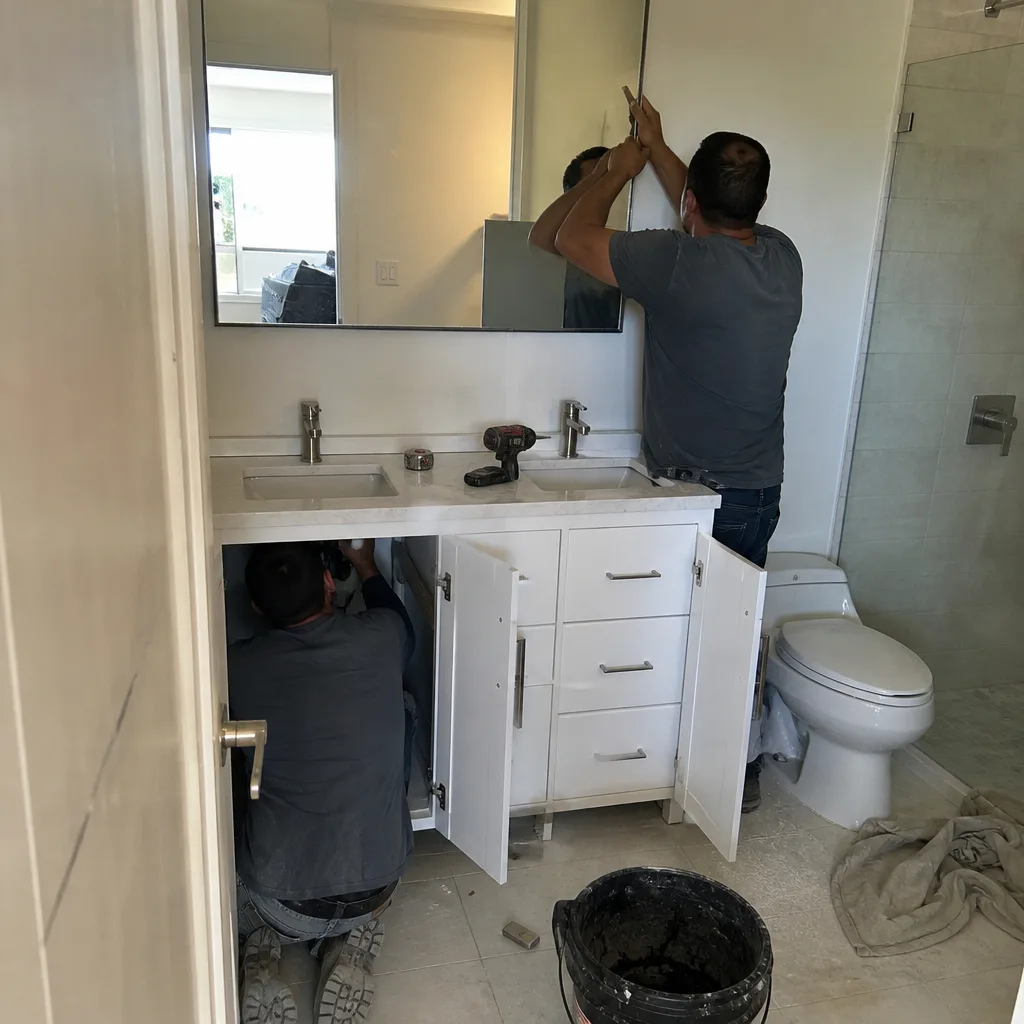
- Waterproofing standards in wet areas expanded. Bathrooms and kitchens got specific language around shower waterproofing, tub surrounds, and water-resistive barriers. Products like Schluter membrane systems, the orange waterproofing layer you may have seen in modern bathroom remodels, now have explicit code pathways that were previously left to manufacturer instructions.
- Carbon monoxide detection expanded. Any project that includes adding a fuel-burning appliance or an attached garage conversion triggers new carbon monoxide detection requirements under the 8th Edition.
What does this mean for you? A bathroom remodel quoted under the old code may not pass inspection under the 8th Edition. Materials that were acceptable in 2022 may be non-compliant in 2026. A written price should reflect the current code, not the one your neighbor’s contractor used three years ago.
Which Permit Do You Actually Need in Fort Lauderdale?
The permit type you file determines what you’re legally allowed to build. File too small, and your inspector will flag the mismatch at final inspection. File too broad, and you’re paying for review cycles you don’t need. Here’s how the common residential permit types break down in Fort Lauderdale and Broward County:
| Permit Type | Typical Scope | When You Need It |
|---|---|---|
| Minor Alteration Permit | Cosmetic changes, fixture swaps, non-structural interior work | Replacing a vanity in place, swapping light fixtures, simple flooring |
| Residential Remodel Permit | Interior renovations within existing footprint | Kitchen remodel, bathroom remodel, moving non-load-bearing walls |
| Structural Alteration Permit | Load-bearing wall removal, beam installation, roof framing changes | Opening a kitchen into a living room where a bearing wall sits |
| Addition Permit | New square footage attached to existing structure | Adding a bedroom, expanding a bathroom footprint |
| Mechanical Permit | HVAC system replacement or relocation | Moving an air handler, replacing ductwork |
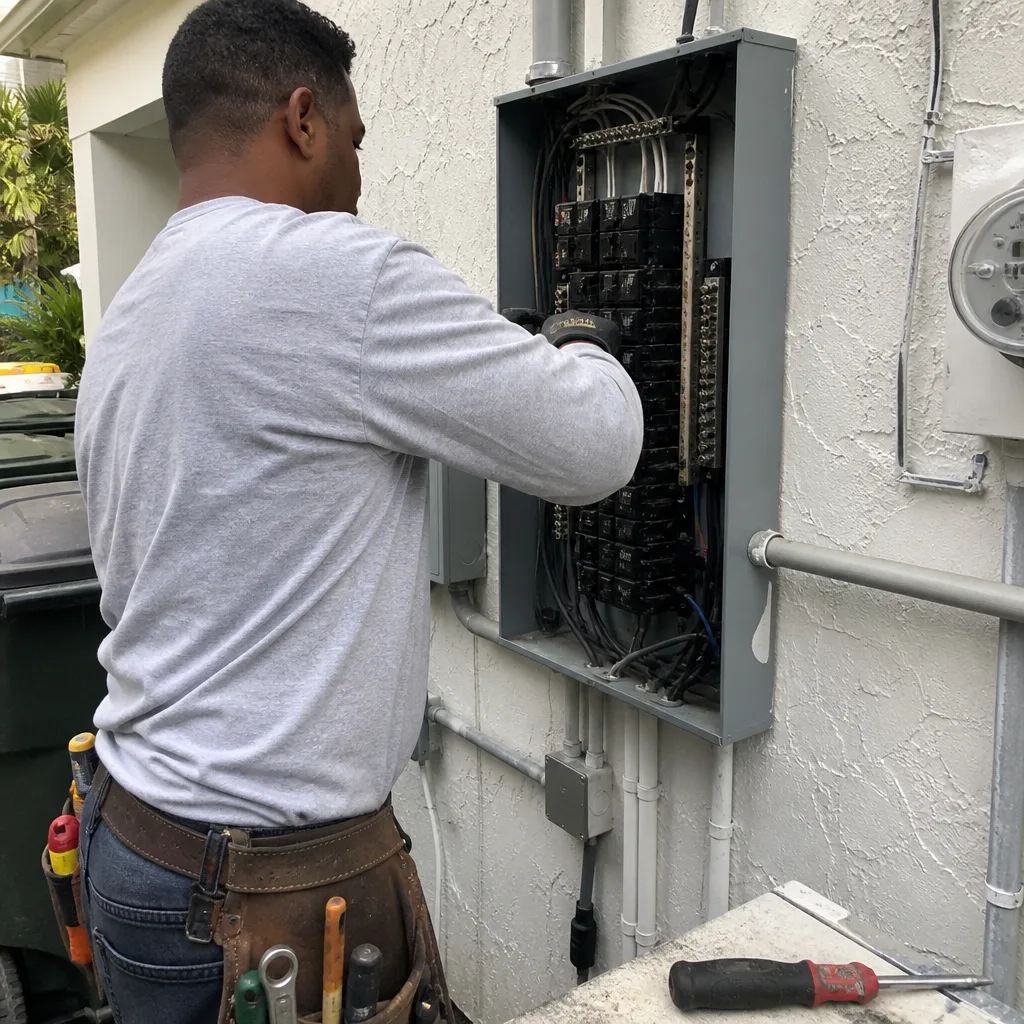
| Electrical Permit | Panel upgrades, new circuits, rewiring | Adding a subpanel for a kitchen remodel, updating old wiring |
| Plumbing Permit | New fixtures, drain line changes, water heater replacement | Moving a toilet, adding a shower where none existed |
| Roofing Permit | Roof replacement or structural roof repairs | New shingle roof, truss repairs |
A full kitchen remodel in Fort Lauderdale typically requires a Residential Remodel Permit plus an Electrical Permit and a Plumbing Permit, filed together as a coordinated package. Some jurisdictions allow a single consolidated permit; others require separate filings. This is where working with a General Contractor in Fort Lauderdale who pulls permits daily saves you weeks of back-and-forth.
What Fort Lauderdale Permits Cost: Real Numbers
Permit costs in Florida are calculated on a fee schedule based on valuation, which means the estimated cost of your project determines the permit price. In Fort Lauderdale and Broward County, you can expect:
- Minor alteration permits: $150 to $500, depending on scope and review requirements
- Residential remodel permits: $800 to $2,500 for a typical kitchen or bathroom project
- Addition permits: $1,500 to $5,000 or more, scaled to square footage and valuation
- Structural alteration permits: $1,200 to $3,500, with additional plan review fees for engineered drawings
- Electrical permits: $100 to $600 depending on circuit count and panel size
- Plumbing permits: $100 to $500 depending on fixture count
- Roofing permits: $200 to $800 for a typical residential reroof
These are fee ranges for the permit itself, not including plan review surcharges, impact fee assessments where applicable, or inspection scheduling fees. A full home remodeling project in Fort Lauderdale commonly sees $2,000 to $6,000 in total permit and review costs before a single Material like GAF shingles or Kohler fixtures gets ordered. If your contractor’s written price doesn’t account for permit fees as a line item, ask why. An honest price includes them, plain and clear.
The Re-Inspection Cascade: When a Simple Remodel Becomes Structural
Here’s the scenario we see most often in Fort Lauderdale’s older housing stock: a homeowner plans a kitchen update. New cabinets, new counters, maybe a wider opening into the dining room. The contractor pulls a Residential Remodel Permit. Then the crew starts demo and discovers that the wall between the kitchen and dining room is load-bearing, carrying roof truss loads down to the foundation. Suddenly the project isn’t a remodel anymore. It’s a structural alteration.
What happens next is what we call a re-inspection cascade:
- The permit is flagged. The inspector determines the filed permit type doesn’t match the actual scope of work.
- Work stops. A stop-work order is issued until a structural permit is filed and approved.
- Engineered drawings are required. A Florida-licensed structural engineer must prepare drawings showing beam sizing, load paths, and connection details for the new opening.
- Plan review restarts. The amended permit goes back through plan review, which adds 5 to 15 business days in Fort Lauderdale.
- Previous inspections may be voided. If the structural work wasn’t inspected before being covered, the inspector can require destructive inspection, which means opening up finished framing or drywall to prove the work was done correctly.
- Costs compound. Re-inspection fees, plan review fees for amended drawings, and the cost of opening and restoring walls all land on the homeowner when the permit wasn’t scoped correctly from the start.
This is exactly why the argument “we’ll just pull the permit as a minor alteration to keep costs down” backfires. The permit fee savings of a few hundred dollars becomes thousands in re-inspection and rework costs. In our experience across Home Remodeling in Fort Lauderdale projects, the homes most vulnerable to this cascade are those built between 1950 and 1980, where wall framing and roof truss layouts vary from one block to the next.
The 180-Day Permit Clock in Broward County
Broward County enforces an active inspection requirement on all building permits: work must reach a valid inspection point within 180 days of permit issuance, or the permit voids. A permit that voids means you start over, repay fees, and potentially redo plan review. For Fort Lauderdale homeowners, this clock has real scheduling consequences.
What counts as a valid inspection? An inspection that you schedule, that an inspector actually performs, and that passes. Scheduling alone doesn’t stop the clock. The inspection must happen and pass. If you schedule an inspection and the work isn’t ready, fail the inspection, and then wait another three months to schedule again, your permit can still void if the 180-day window closes without a passed inspection.
Here’s how the 180-day clock plays out in practice:
- Material delays can eat your window. If your custom cabinets from a manufacturer are delayed 90 days and no inspection can happen without them installed, you’re 90 days into a 180-day clock with nothing to show for it.
- Contractor availability matters more in Florida. Hurricane season from June through November strains every licensed contractor in Fort Lauderdale. If your project starts in May and your contractor gets pulled onto storm repairs, your inspection schedule slips.
- Partial inspections preserve the clock. Some scopes allow progressive inspections: rough-in before drywall, then final after finishes. Each passed inspection resets the active inspection requirement, so a project that progresses steadily stays valid.
- The remedy for a voided permit is a new application. You repay permit fees, resubmit plans, and wait through plan review again. For most residential remodels in Fort Lauderdale, that’s $1,000 to $3,000 and 3 to 6 weeks of delay.
When we price a project for a Fort Lauderdale homeowner, the permit strategy and inspection schedule are part of the written price conversation, because a permit that voids on a project we’re running is a failure on our side. We don’t let the clock run us.
Unpermitted Prior Work: The Liability You Inherit
Many Fort Lauderdale homes carry unpermitted work from previous owners. A bathroom added in the 1980s. A carport converted to a bedroom during the 2000s. A water heater relocated without a permit. None of that work appears in the building department’s records. And when you start a remodel on a home with unpermitted prior work, the current project’s inspection process can surface that legacy liability.
Here’s what actually happens:
- The inspector’s scope expands. A final inspection for your permitted kitchen remodel can become a review of everything in the affected area, including work that predates your ownership.
- Code violations on old work become current problems. If the previous owner’s unpermitted addition was built with undersized framing or improper electrical routing, the inspector can flag it as a code violation that must be corrected before your new permit closes.
- Your insurance position gets complicated. If a claim arises from unpermitted work, your homeowner’s insurer can deny coverage because the work was never approved. This is a financial risk that has nothing to do with the current remodel and everything to do with what you inherited at closing.
- Remediation can mean opening walls. To prove compliance on unpermitted work, you may need destructive inspection: cutting drywall, exposing framing, pulling electrical covers. The cost of proving compliance is often more than the cost of the original unpermitted work.
The practical takeaway: if your home has unpermitted additions or alterations, factor them into your remodel planning before you pull permits for new work. A thorough pre-construction review with a licensed contractor who knows Fort Lauderdale’s building history can identify likely unpermitted areas before the inspector does. That knowledge lets you address the legacy work on your terms, not under a stop-work order.
Scheduling Your Project Around Florida’s Inspection Calendar
Fort Lauderdale’s construction season runs roughly October through May, when heat indexes drop and hurricane risk pauses. But the inspection calendar doesn’t pause. Inspectors work year-round, and the permitting offices in both the City of Fort Lauderdale and Broward County process applications continuously. The constraint isn’t the calendar. It’s the queue.
Here’s what scheduling around Florida’s inspection system looks like from the contractor’s side:
- Plan review times vary by workload. A straightforward residential remodel permit can clear plan review in 5 to 10 business days during slower months. During peak season, that can stretch to 3 weeks or more. Hurricane aftermath can extend it further as inspectors prioritize storm damage repairs.
- Inspection windows are typically one business day. Most Fort Lauderdale and Broward County inspections are scheduled for a specific day, not a specific time. Someone needs to be on site when the inspector arrives, and the work must be visible and accessible.
- Failed inspections trigger re-inspection fees. Most jurisdictions allow one re-inspection at no charge, then a fee per additional visit. We’ve seen simple errors, like a missing smoke detector or an inaccessible crawl space, cost homeowners $75 to $150 in re-inspection fees.
- Final inspection is the gatekeeper for occupancy. You cannot legally occupy a newly remodeled space until final inspection passes. For a Bathroom Remodeling in Fort Lauderdale project, that means no using the new shower until the inspector signs off.
The scheduling reality is this: in Fort Lauderdale, a well-run remodel works backward from the final inspection target. Materials are ordered to arrive before the inspections that require them. Trade work is sequenced so each inspection gate opens at the right time. A contractor who treats inspections as an afterthought will cost you delays, and delays compound in Florida’s climate.
Common Mistakes to Avoid
- Filing in the wrong jurisdiction. Assuming your Fort Lauderdale address is governed by the City when it actually falls under unincorporated Broward County territory wastes weeks and leads to rejected permits. Confirm your jurisdiction in writing before paying any application fees.
- Starting work before the permit issues. Florida law allows some emergency work without a permit, but a planned remodel is not an emergency. Starting before the permit posts means you’re building illegally, and the inspector can require full exposure of the work.
- Letting the 180-day clock lapse. A permit that voids in Broward County means a fresh application, new fees, and another plan review cycle. Treat the active inspection requirement as a project deadline, not a suggestion.
- Mismatching the permit type to the scope. Filing a minor alteration permit for work that includes structural changes is the fastest way to trigger a stop-work order and re-inspection cascade. Scope the permit honestly from day one.
- Hiring a contractor who won’t put the permit fees in writing. Every legitimate Fort Lauderdale project should have permit costs as a clear line item in the written price. If the contractor avoids committing to permit fees in writing, the surprise will arrive as your final invoice.
- Ignoring unpermitted prior work. The inspector won’t ignore it, and neither will your insurance company when a claim lands. Identify and address legacy unpermitted work before you layer new work on top of it.
- Skipping the final inspection to save time. An unclosed permit hangs on the property record and becomes a title issue when you sell. It also means your project was never legally approved, which voids any workmanship warranty tied to code compliance.
See the difference
 Before
 After
After Before
 After
After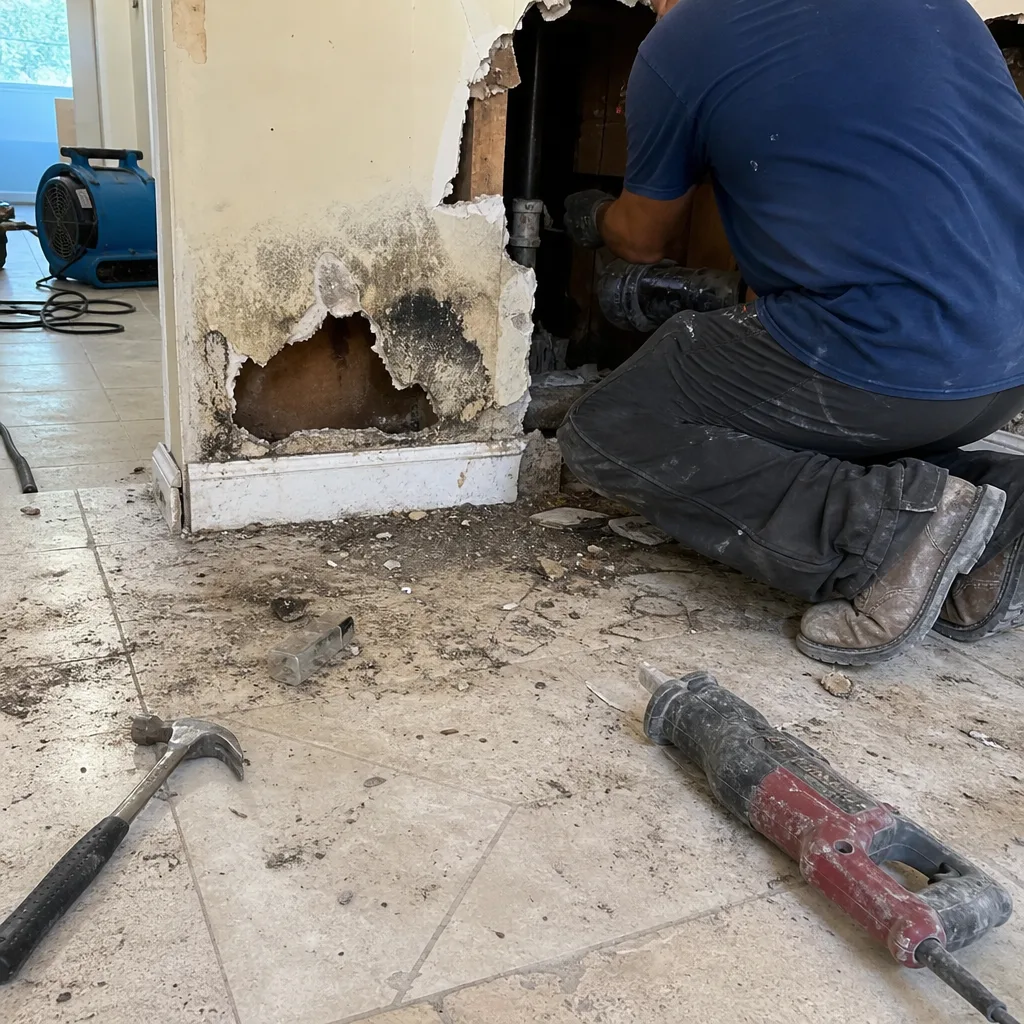 Before
 After
AfterWhen to Call a Professional
If your project touches any load-bearing wall, any electrical panel upgrade, any plumbing that moves a fixture more than a few feet, or any exterior opening including windows and doors, you need a licensed contractor who navigates Fort Lauderdale’s permitting system on a daily basis, as our DIY vs Professional Construction guide explains. These are the projects where the permit type, the plan review, and the inspection schedule all interact, and a mistake in any one of them delays your finish date by weeks.
If you’re planning a remodel in Fort Lauderdale and want a written price that includes every permit fee, every inspection gate, and a clear schedule before work begins, Mason Remodeling Co Fort Lauderdale home offers free estimates. Call (754) 354-3720 to schedule yours.
Frequently Asked Questions
Building permits in Fort Lauderdale and Broward County typically range from $150 for minor work to $5,000 or more for additions, with most residential remodel permits landing between $800 and $2,500 before plan review surcharges. The exact fee depends on the project valuation and the permit type. Call (754) 354-3720 for an estimate that includes all permit costs in writing.
Yes, any kitchen remodel in Florida that involves electrical, plumbing, or structural changes requires a permit, and that covers virtually every kitchen project beyond painting and cabinet refacing. The permit type depends on your address’s jurisdiction in Fort Lauderdale or Broward County. We file these permits as part of every project we price.
Remodeling without a permit in Fort Lauderdale can trigger a stop-work order, fines, and a requirement to expose finished work for inspection, and it creates title issues when you sell the home. The cost of correcting unpermitted work is typically 3 to 5 times the cost of the original permit. Call (754) 354-3720 for a free estimate that keeps your project legal from day one.
A standard residential remodel permit in Broward County typically clears plan review in 5 to 15 business days depending on the season and the complexity of the project, though structural alterations and additions take longer. The full timeline from application to approved permit for most Fort Lauderdale remodels runs 3 to 6 weeks. We sequence material ordering around this timeline so the permit doesn’t delay your start.
Broward County requires that work reach a passed inspection within 180 days of permit issuance, or the permit voids and the process resets with new fees and plan review. Each passed inspection resets the clock, so steady progress keeps the permit valid. We schedule inspections proactively to keep every project inside the window.
Florida allows homeowners to act as their own contractor on their primary residence, but the owner-builder permit makes you legally and financially responsible for the work, the inspections, and any code violations, and many insurers will not cover unpermitted or owner-built work claims. If you sell within a few years, the owner-builder designation creates real title complications. Most Fort Lauderdale homeowners are better served by a licensed contractor who carries the permit, the liability, and the warranty.
The Bottom Line
Construction permits in Fort Lauderdale aren’t a bureaucratic hurdle. They’re the legal record that your remodel is safe, insurable, and sellable. The jurisdiction question comes first: City, County, or overlay district. Then the permit type, then the inspection schedule, all operating under the 2023 Florida Building Code 8th Edition and Broward County’s 180-day active inspection clock. Get any one of these wrong and your project delays, costs compound, and your liability grows. Get them right, and the permit process is just another phase of the build. If you’d rather have someone handle every square foot of this for you, call (754) 354-3720. We’ve been doing it in Fort Lauderdale since 2004.
Written by Isaac Pruett, Owner at Mason Remodeling Co Fort Lauderdale, serving Fort Lauderdale since 2004.