

Free written scope consultation - allowances, timeline, and change-order rules on paper before a single trade is scheduled
Silestone Roofing: The Fort Lauderdale Owner’s Guide
Silestone roofing components in Fort Lauderdale typically cost between $600 and $2,500 installed, depending on whether you’re dealing with a standard tile replacement or a full section repair. We stock Silestone-compatible roofing parts on our trucks and can usually complete a swap the same day we assess it. Most homeowners discover the problem the same way: a leak shows up on the ceiling after a storm, or they spot a cracked tile from the driveway and realize it’s been getting worse for months.
Here’s the thing about Silestone roofing in South Florida. The brand earned its name in countertops, but its roofing line gets specified on a lot of higher-end Fort Lauderdale homes, particularly in neighborhoods like Victoria Park, Rio Vista, and Coral Ridge. Those homes sit in salt air, direct sun, and hurricane-driven rain. When a Silestone roof part fails here, it’s rarely a mystery. It’s usually water intrusion at a seam, a cracked field tile, or flashing that gave out after years of thermal cycling. We tell you what we found, what it takes to fix it, and what it will cost, before we touch a thing.
Which Silestone Models This Applies To
Silestone’s roofing line covers a few distinct series, and the parts are not interchangeable across all of them. The main lines we see in Fort Lauderdale are the Silestone Slate Series, the Silestone Roman Tile Series, and the Silestone Barrel Profile Series. Each has its own tile dimensions, interlocking profile, and underlayment spec.
Here’s the compatibility gotcha most owners run into. A Slate Series tile will not seat properly on a Roman Tile course because the interlocking channel is cut differently. If you try to force it, the tile sits proud, water finds the gap, and you’re back to square one after the next afternoon thunderstorm. Before ordering anything, check the underside of any loose tile for the molded series code. It’s usually a two-letter prefix followed by numbers, like SL-14 or RT-18. If the code is worn off, measure the tile’s exposed width. Slate runs about 12 inches wide, Roman runs 14, and Barrel runs 16. That measurement gets you to the right part family fast.
On the OEM versus aftermarket question for Silestone specifically: the OEM parts hold their color match better over time, which matters when you’re replacing three tiles on a 7-year-old roof. Aftermarket equivalents can work for full-section replacements where the color shift across the whole plane is consistent, but for spot repairs we recommend Silestone-branded parts. The difference in cost is usually under $40 per tile, and the color match is worth it on a visible roof plane.
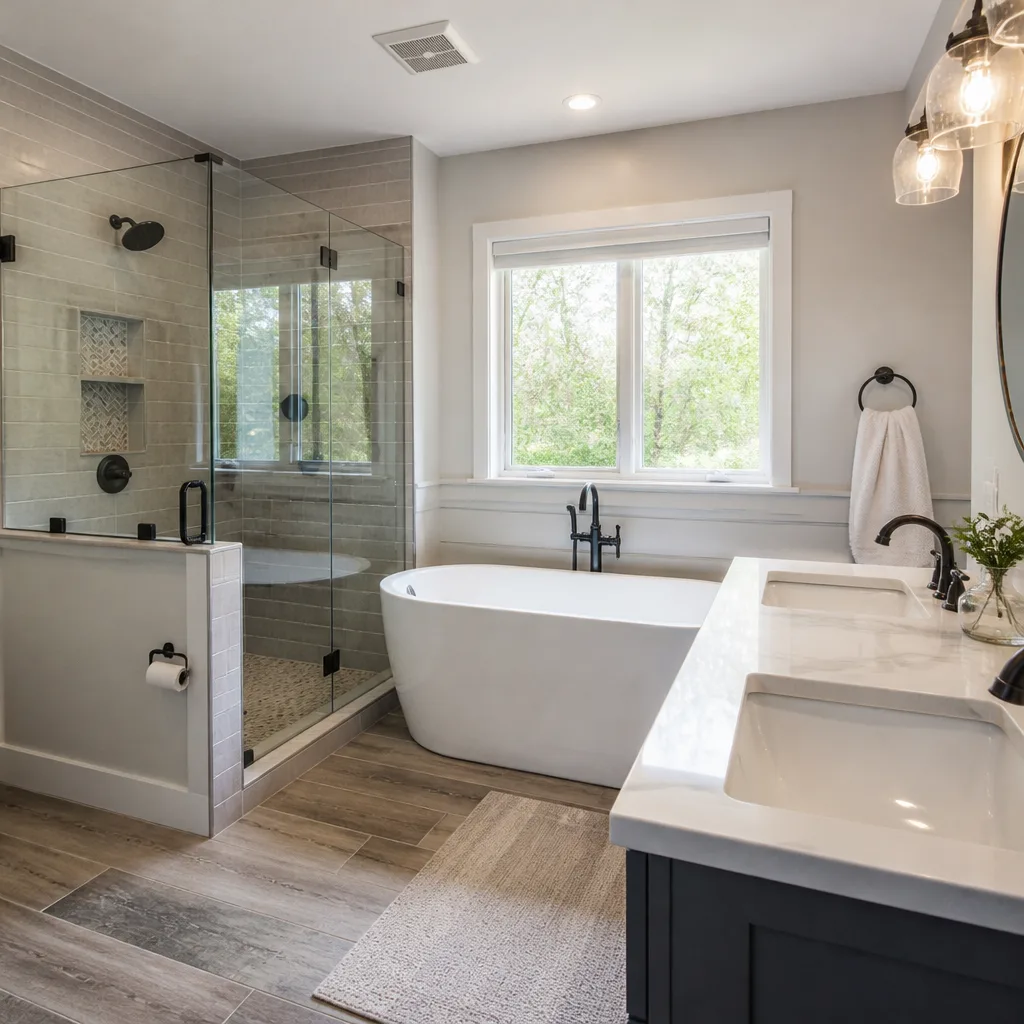
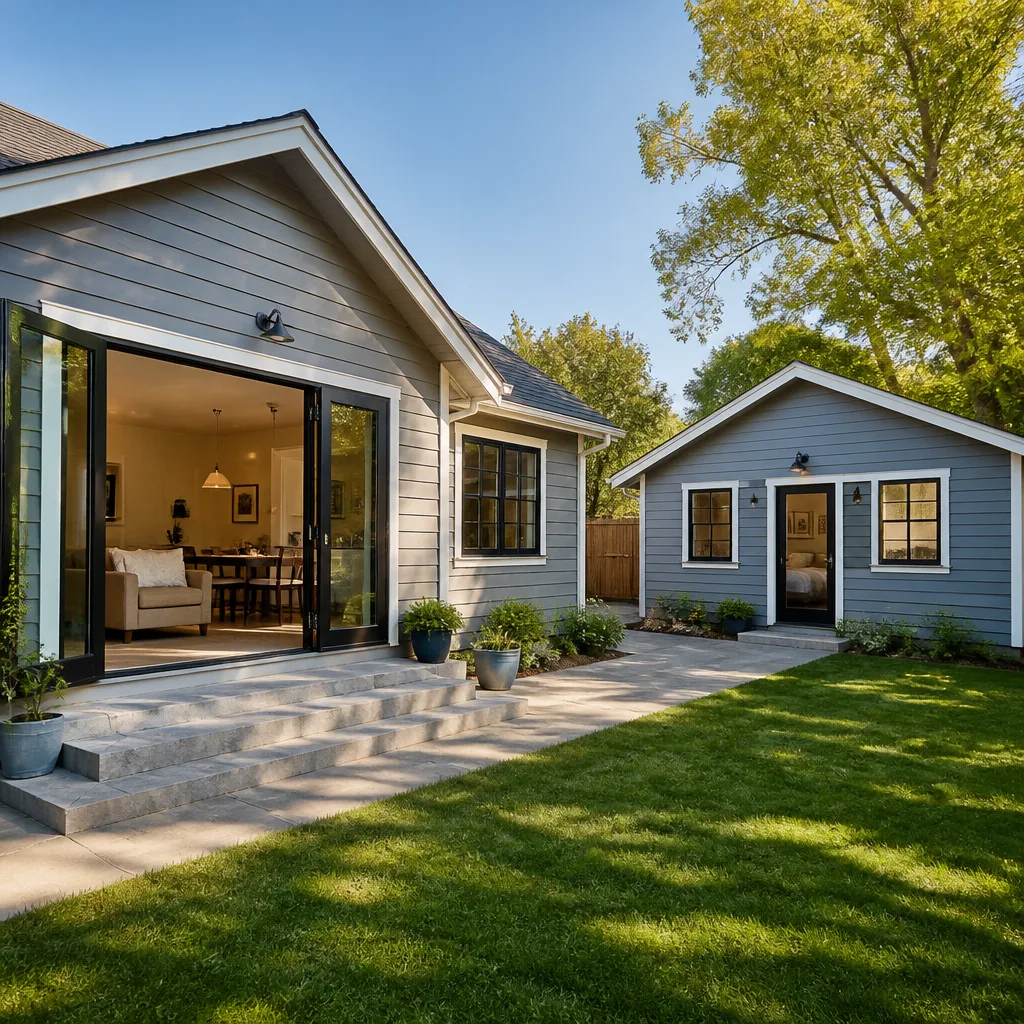
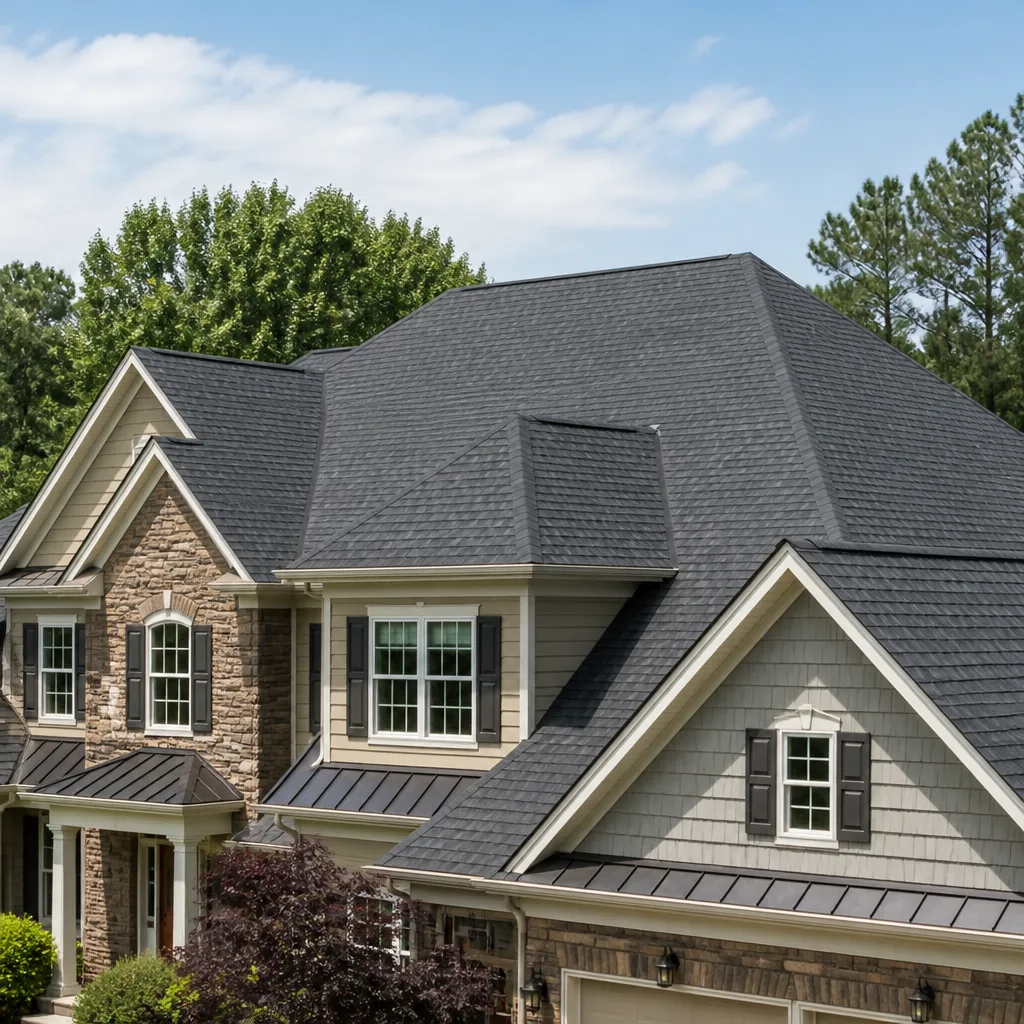
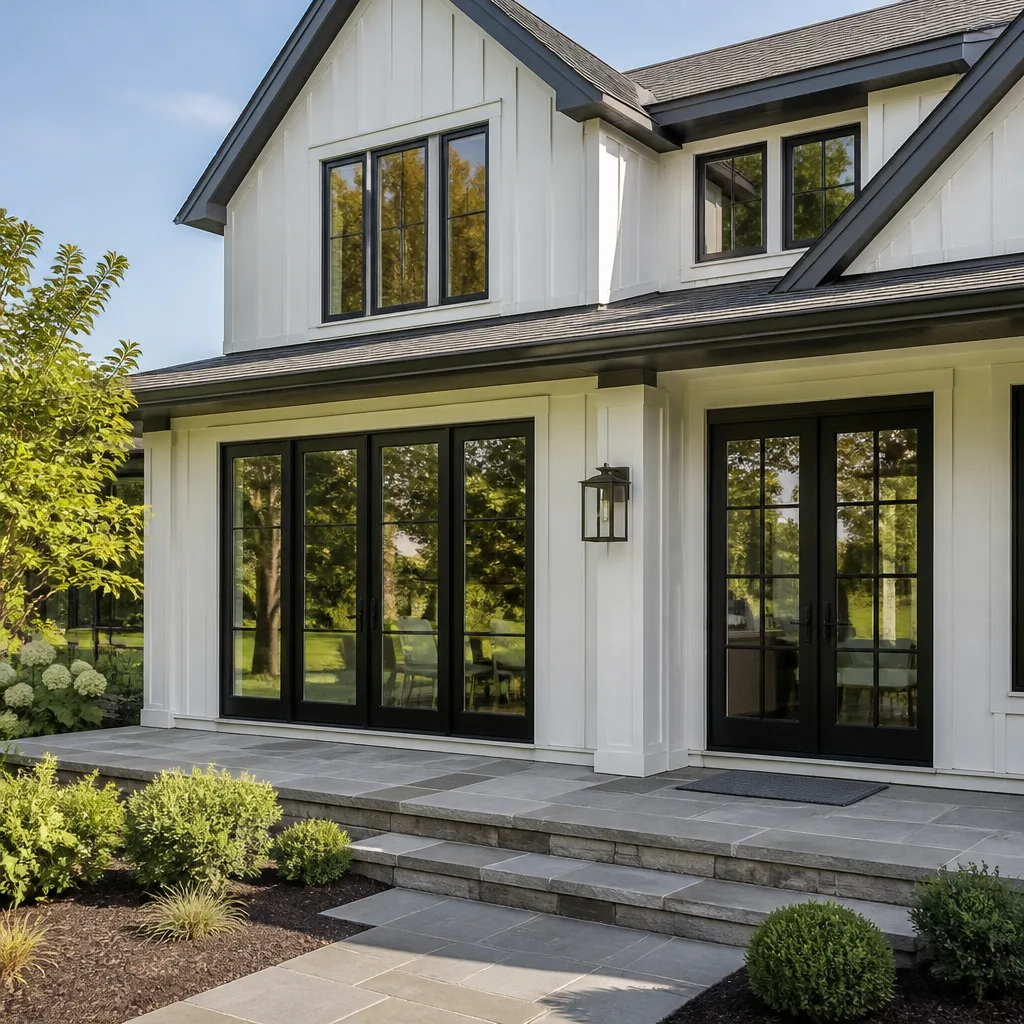
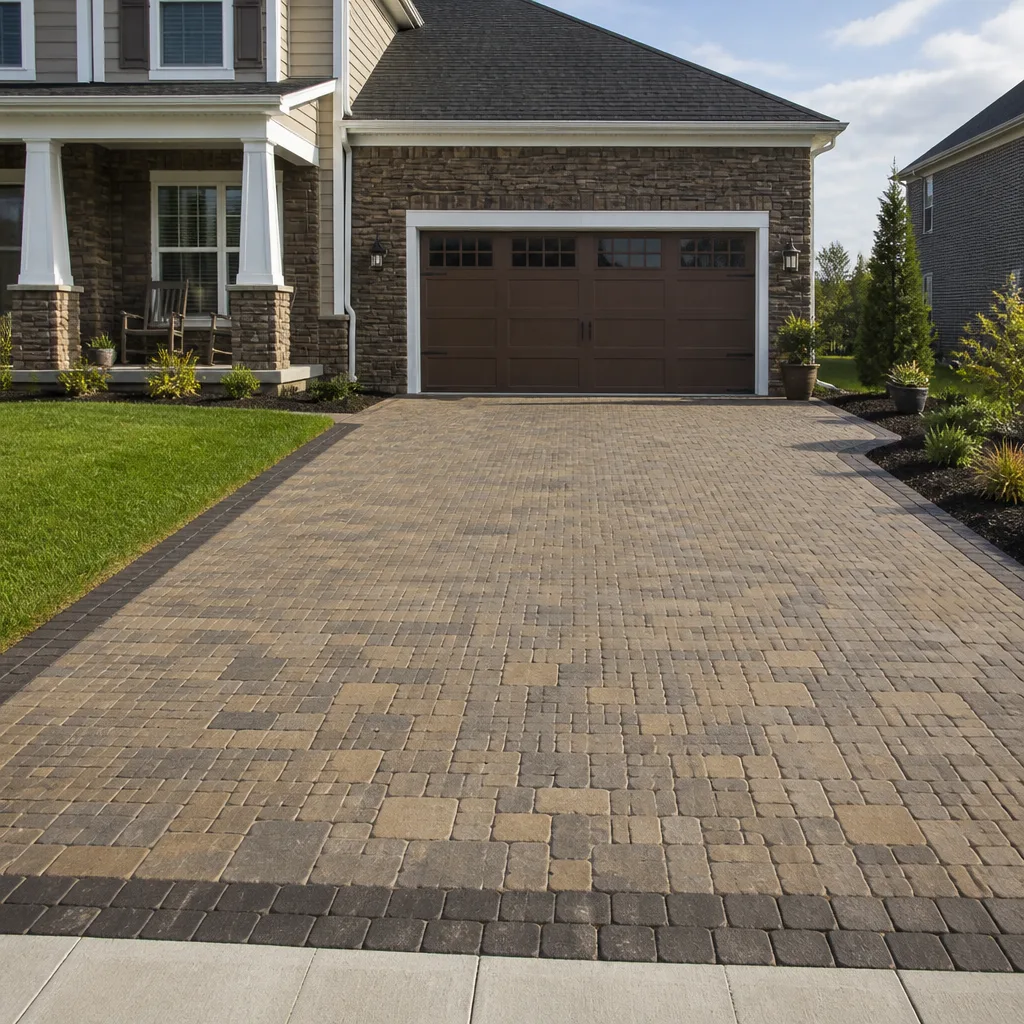
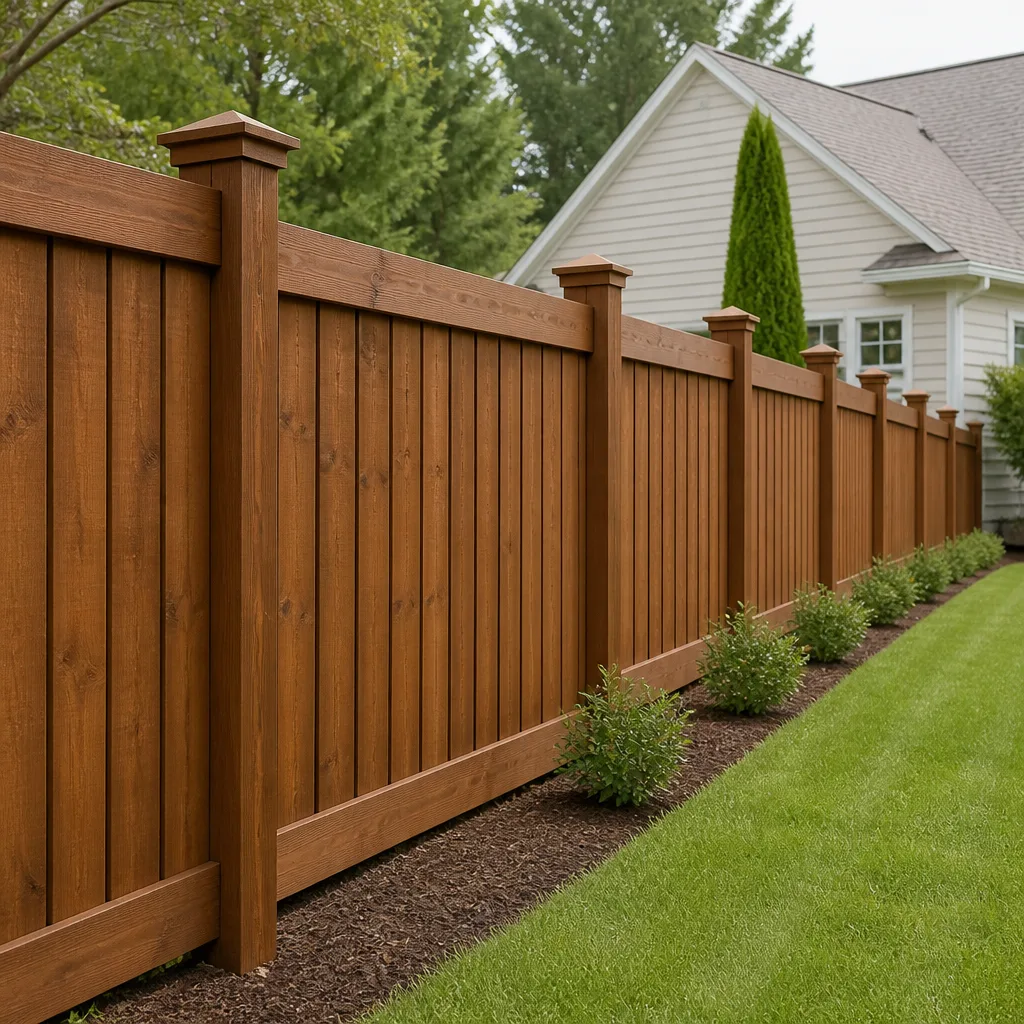
Styles & brands we work with
Signs Your Silestone Roofing Is Failing
- Water staining on ceilings or upper walls after rain. This is the symptom that gets our phone to ring most often in Fort Lauderdale. By the time water shows up inside, the roof part failed weeks or months earlier. The stain usually maps to a cracked tile or failed flashing directly above it.
- Visible cracks or chips in individual tiles. Silestone tiles are dense, but they are not indestructible. Hail, falling palm fronds, or a careless pressure-washing pass can crack them. A cracked tile lets water reach the underlayment, and from there it travels.
- Granule loss collecting in gutters. If you’re seeing granules in your gutter guards, that’s the tile surface breaking down. South Florida UV is brutal on roofing materials, and Silestone tiles lose surface binder over time. Granule loss means the tile is thinning and getting brittle.
- Flashing pulling away at chimneys, skylights, or vent pipes. Flashing fails before tiles do, every time. Thermal expansion and contraction in Fort Lauderdale’s heat-cycle climate works the sealant loose, and then wind-driven rain gets underneath.
- Daylight visible in the attic through the roof deck. If you can see light coming through pinholes or gaps in the decking, water can absolutely get in. This one gets missed a lot because most attics in Fort Lauderdale are hot, dark, and rarely visited. It’s worth a look with a flashlight after any storm.
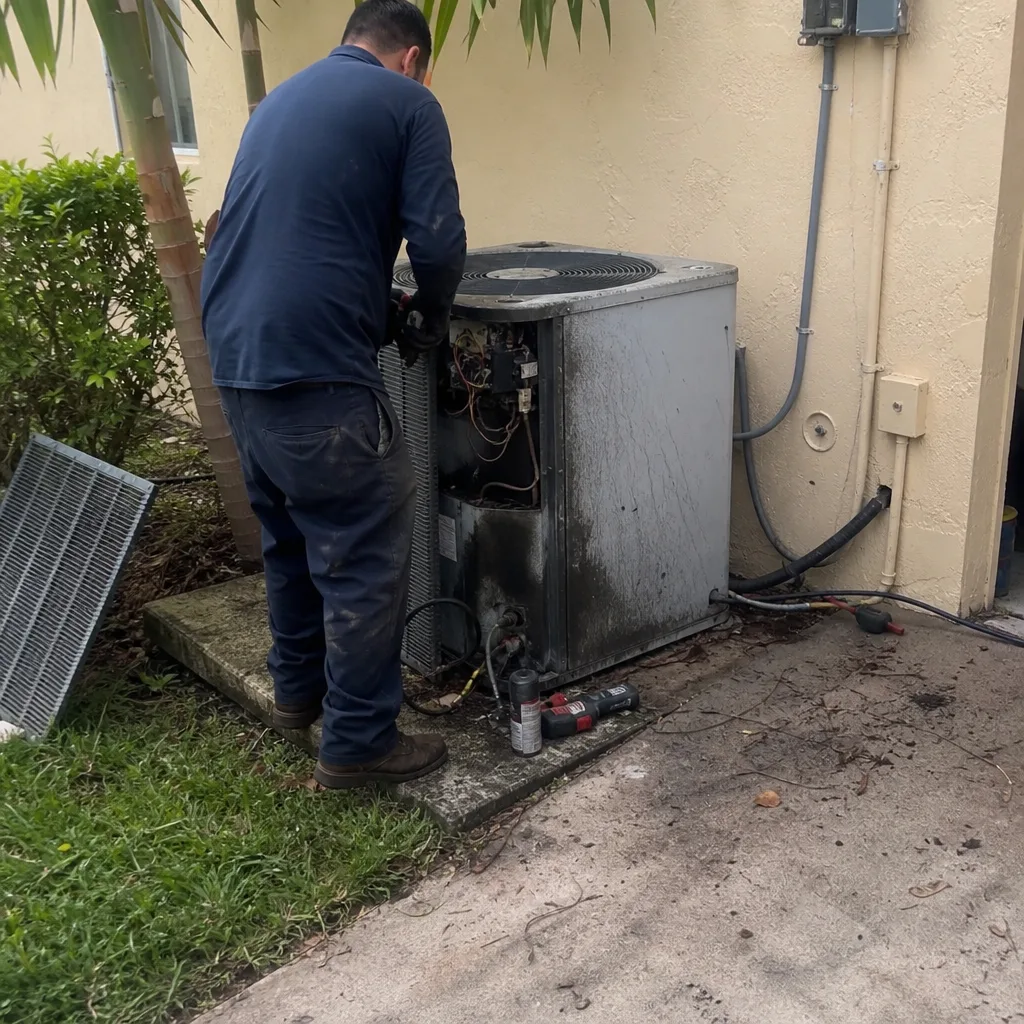
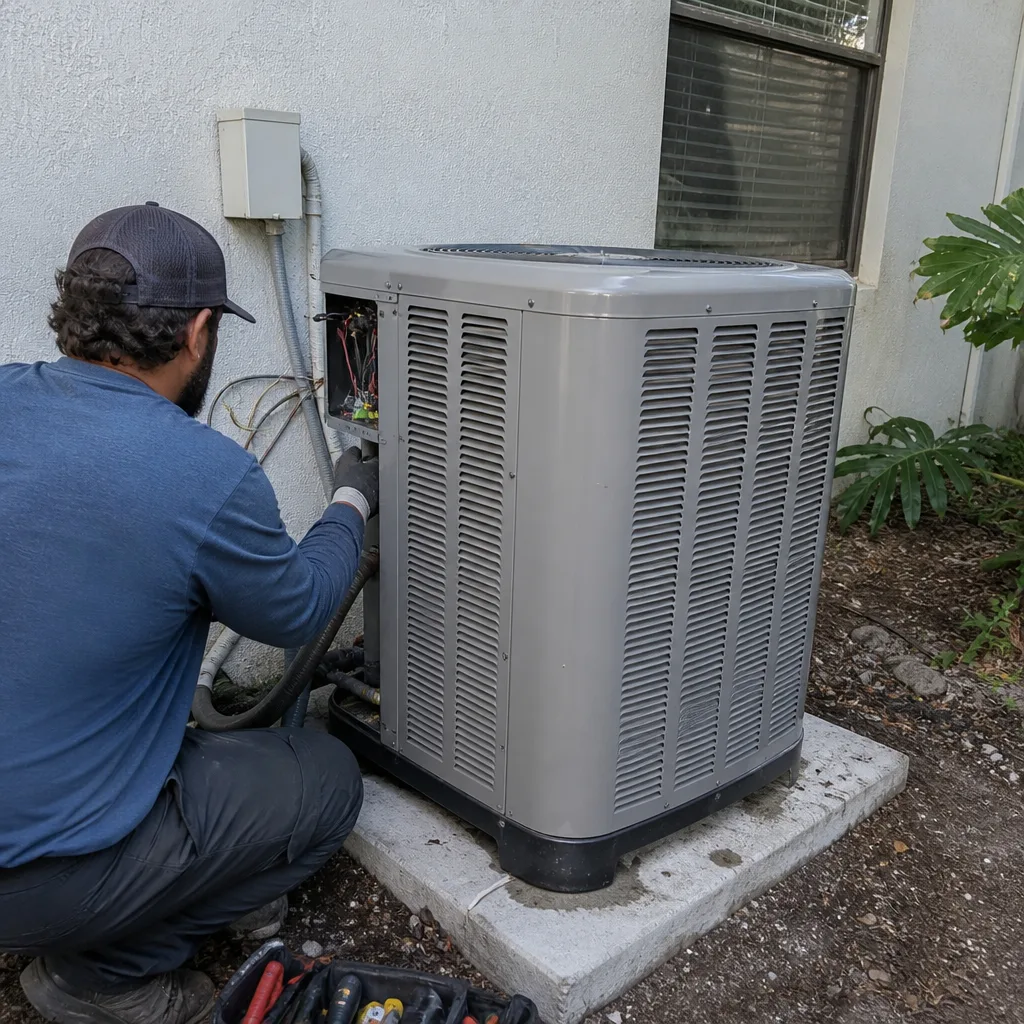
See the difference
 Before
 After
After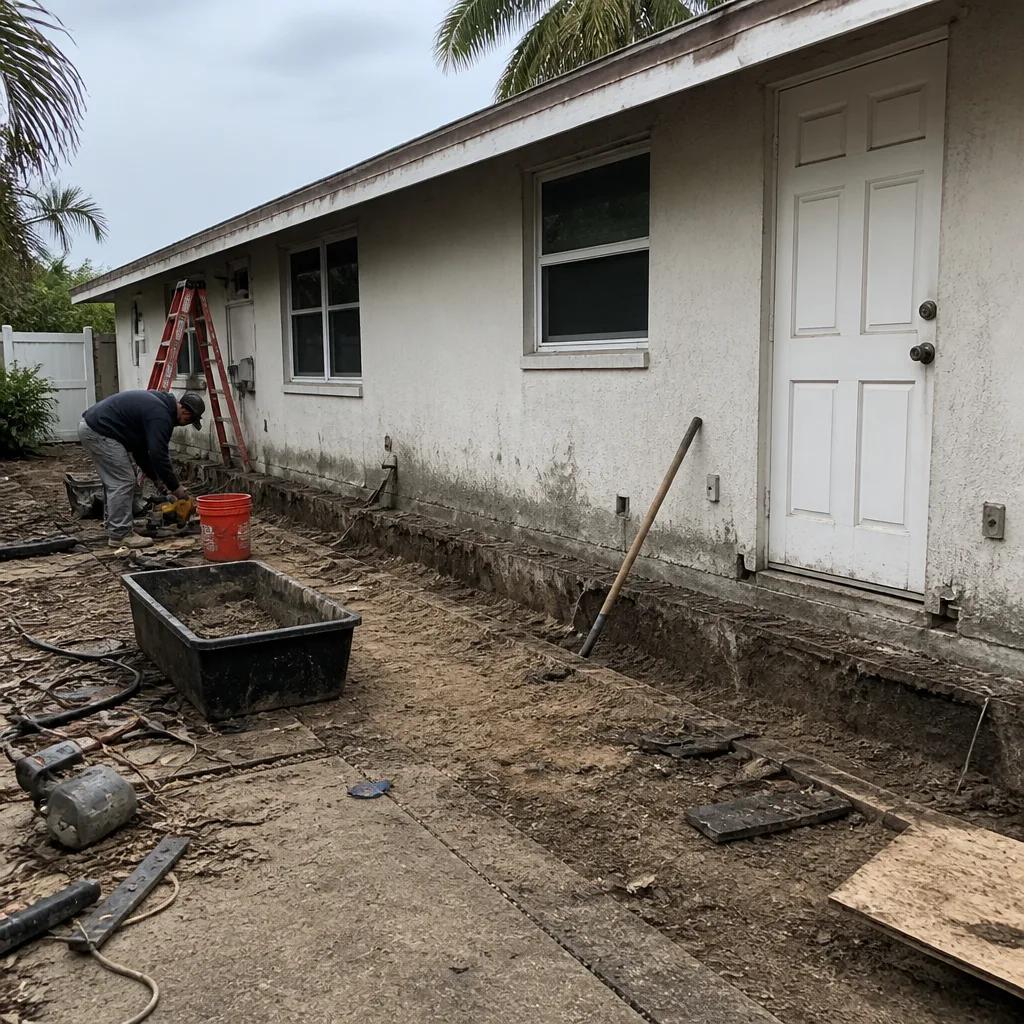 Before
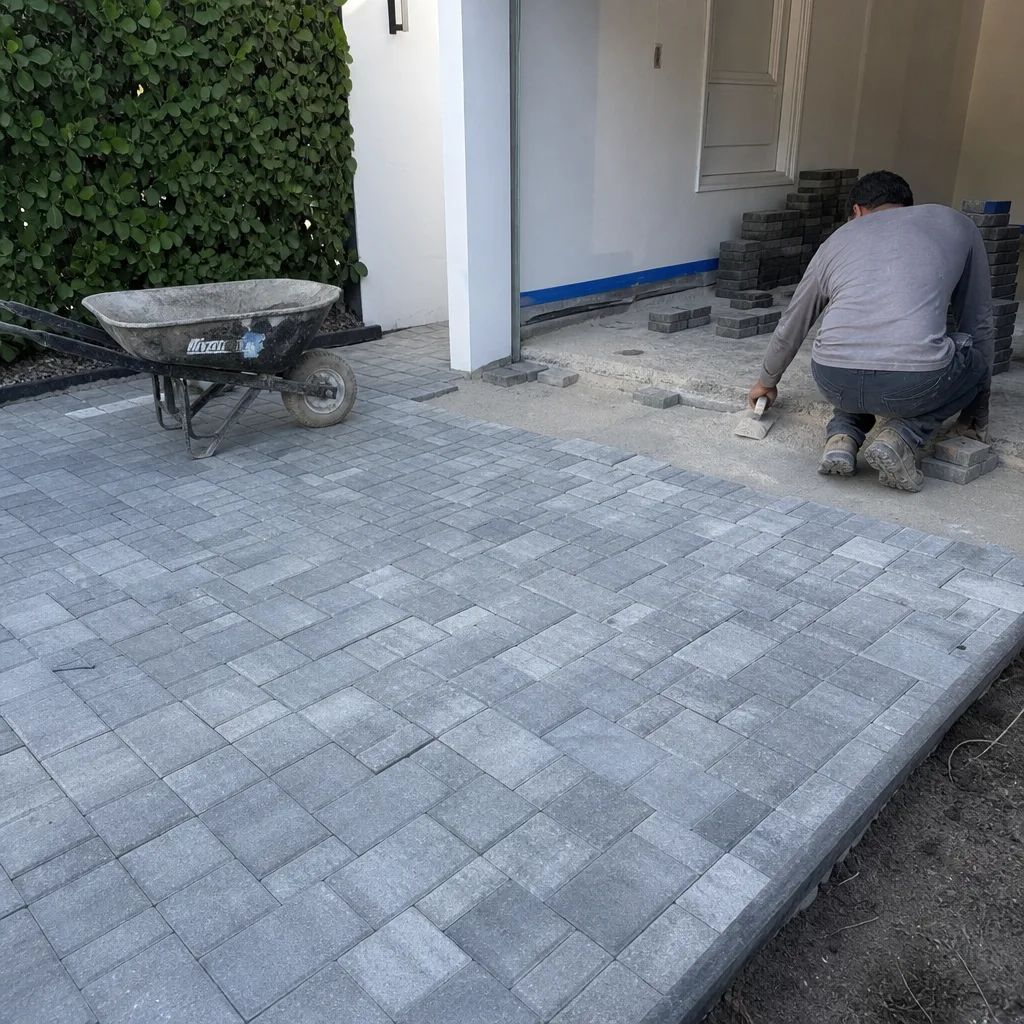 After
After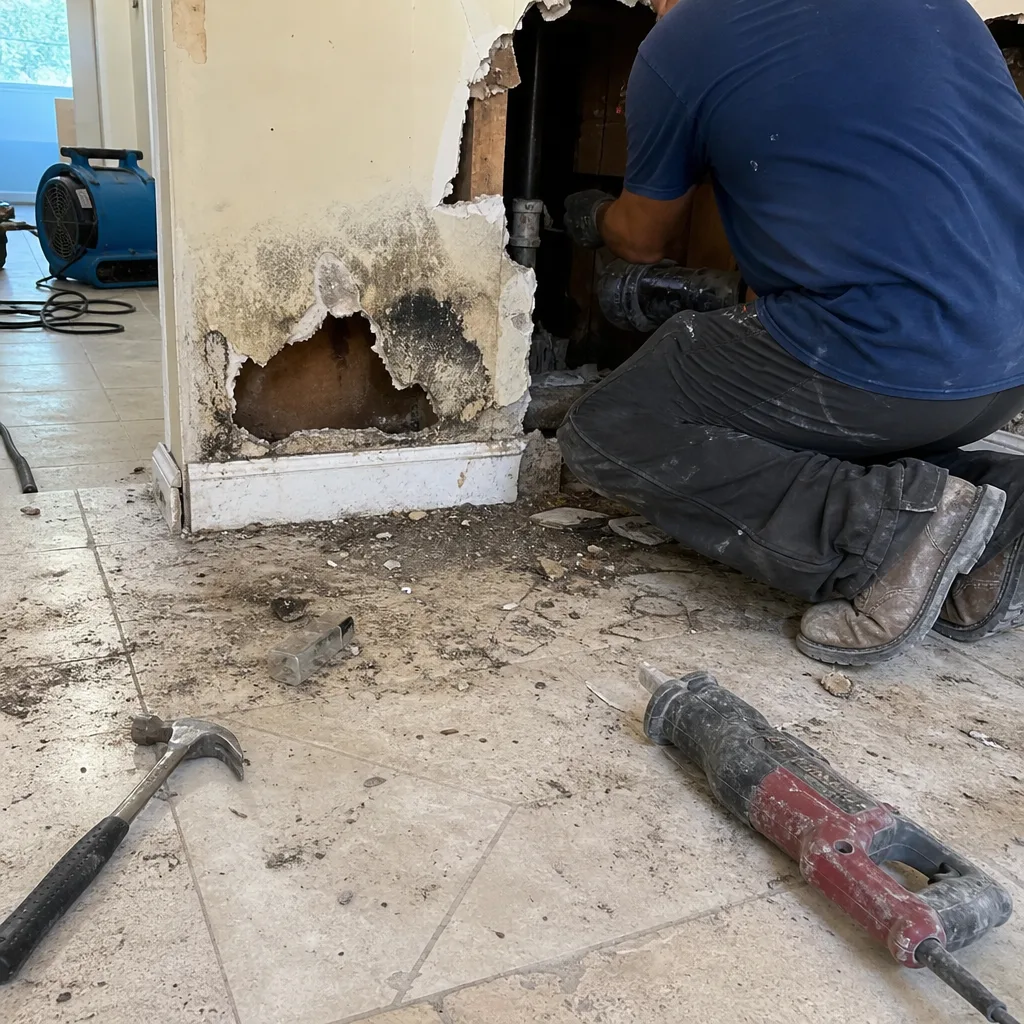 Before
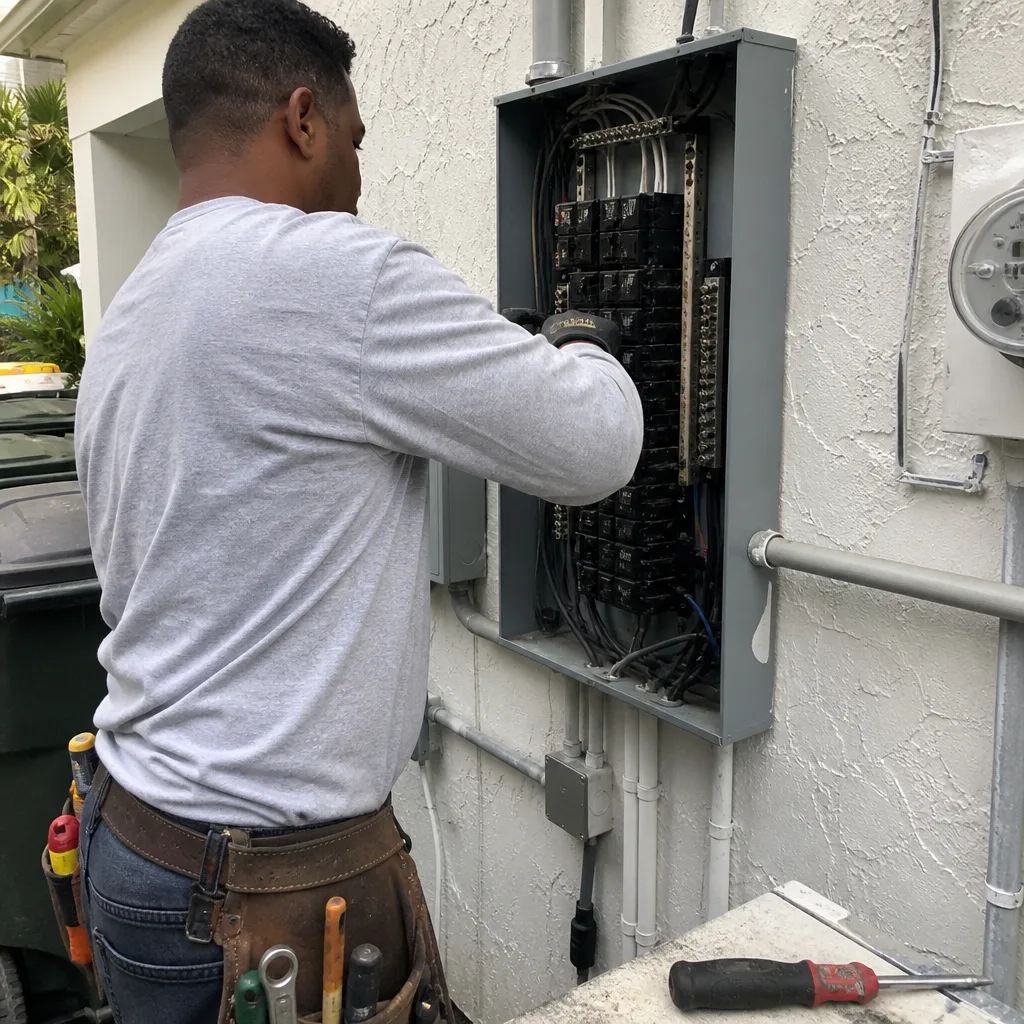 After
AfterReplacement Cost & What’s Included
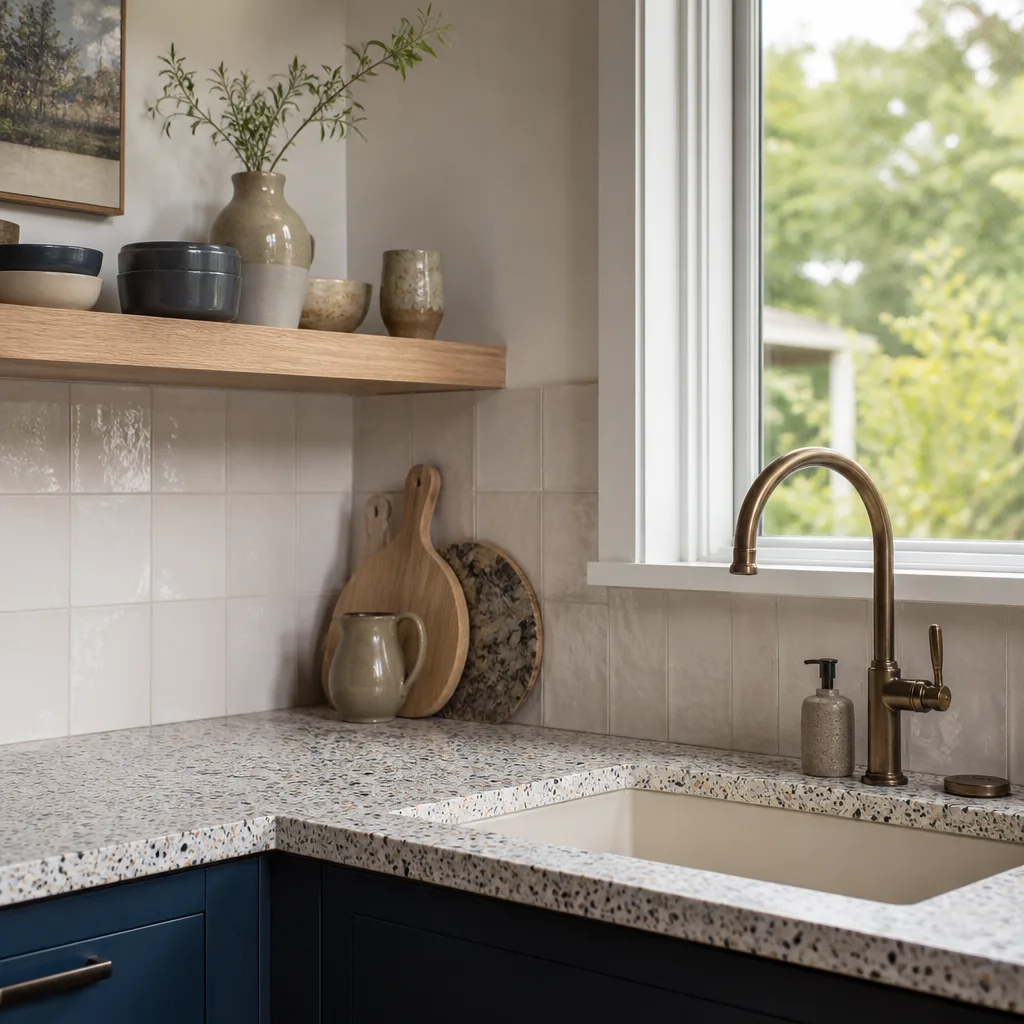
For Fort Lauderdale specifically, Silestone roofing repairs run $600 to $2,500 installed for most single-issue jobs. A straight tile replacement, isolated to one or two tiles, usually lands between $600 and $900. Flashing repairs around a chimney or skylight run $800 to $1,800 depending on how much metal needs to be cut and re-formed. A larger section replacement, where half a roof plane is involved, pushes toward that $2,500 upper end. Full roof replacements with Silestone-compatible materials start at $8,000 and go up to $20,000 for larger homes.
What drives the range is access and the condition of what’s underneath. A single-story roof with a gentle pitch is a fast, clean job. A second-story roof with steep pitch, brittle underlayment, or existing water damage behind the tile takes longer and costs more. Every quote we give includes parts, labor, disposal, and a written line-item breakdown. No change orders, no surprise additions. Our work is covered for 365 days from the completion date, and if something isn’t right, we come back and fix it at no charge.
DIY or Call Us?
Here’s the honest split. You can safely do the inspection part yourself. Check for cracked tiles, look for granules in the gutters, and take a flashlight into the attic after a heavy rain. That gives you a clear picture of what’s wrong before you call anyone.
Where DIY goes wrong on Silestone roofing is the repair itself. These tiles interlock, and getting them out without breaking the surrounding course takes a specific technique. More importantly, Fort Lauderdale roofs are walked by people who know how to distribute weight on the decking. A wrong step between trusses can crack the tile you’re trying to fix and the decking under it. We’ve fixed more homeowner attempts than we can count in Victoria Park alone. If you’re comfortable identifying the problem, do that. Then call us at (754) 354-3720 with what you see, and we’ll take it from there.
One note from Isaac Pruett: if the issue is flashing, don’t get on the roof at all. Flashing work near the roof edge is where we see the most injuries, and it’s not worth the risk to save a service call.
FAQs
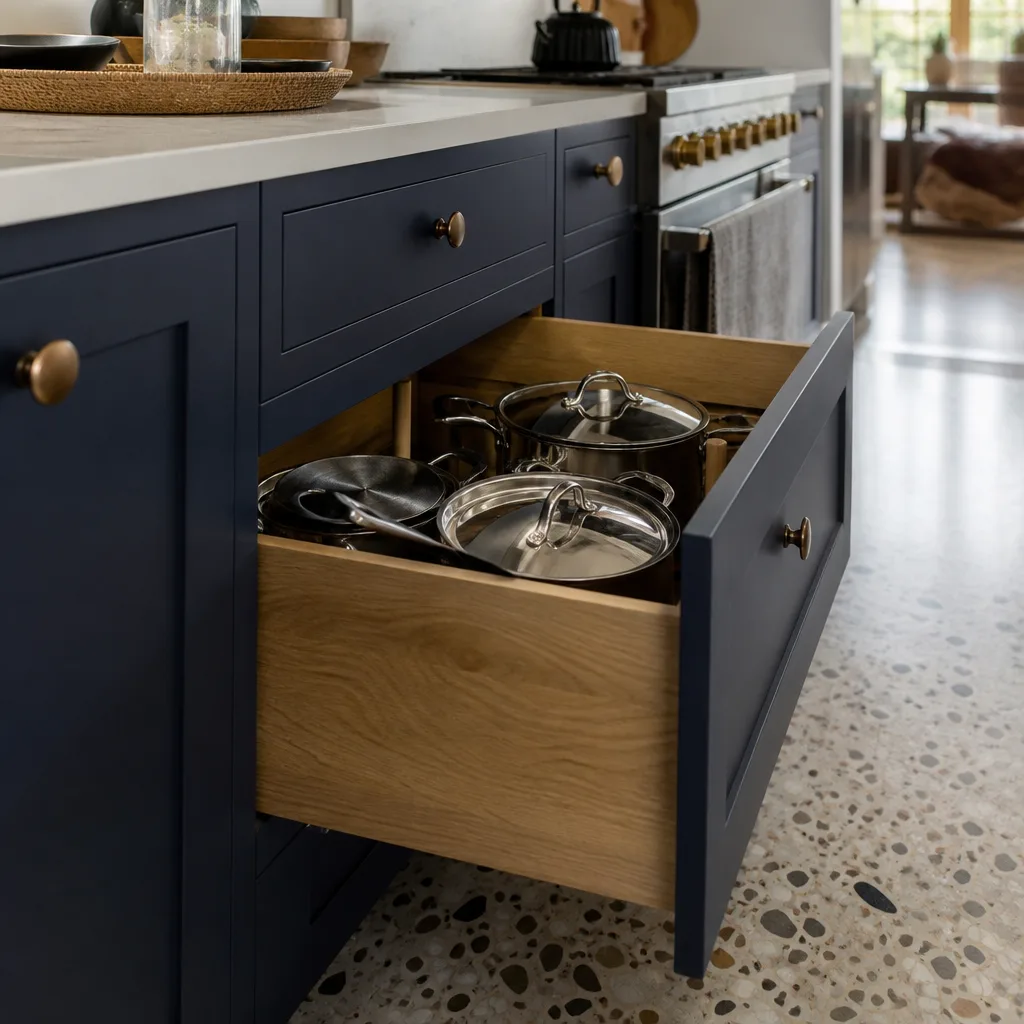
Silestone roof tiles in Fort Lauderdale typically last 20 to 30 years before showing meaningful wear, but the underlayment and flashing usually need attention at the 12 to 15 year mark. Salt air and UV exposure accelerate surface wear compared to inland locations. Call (754) 354-3720 if you want us to assess the remaining life on your specific roof.
A hairline crack can sometimes be sealed with a color-matched roofing caulk as a temporary fix, but a full replacement is the permanent answer for any crack wider than a credit card. Sealant breaks down in Fort Lauderdale’s heat cycles within a year or two. For an honest assessment of whether repair is even worth attempting, call us at (754) 354-3720.
Most single-tile replacements and flashing repairs take between two and five hours from setup to cleanup. Larger section replacements can run a full day. We’ll give you a clear time window when you schedule, and we show up when we say we will.
We stock common Silestone Slate Series and Roman Tile Series replacement tiles, flashing materials, and color-matched sealants on our trucks for most Fort Lauderdale service calls. Barrel Series and less common colorways may need a one or two day order. Call (754) 354-3720 with your tile code and we’ll confirm before we come out.
Written by Isaac Pruett, Owner, Mason Remodeling Co Fort Lauderdale at Mason Remodeling Co Fort Lauderdale, serving Fort Lauderdale and nearby areas.