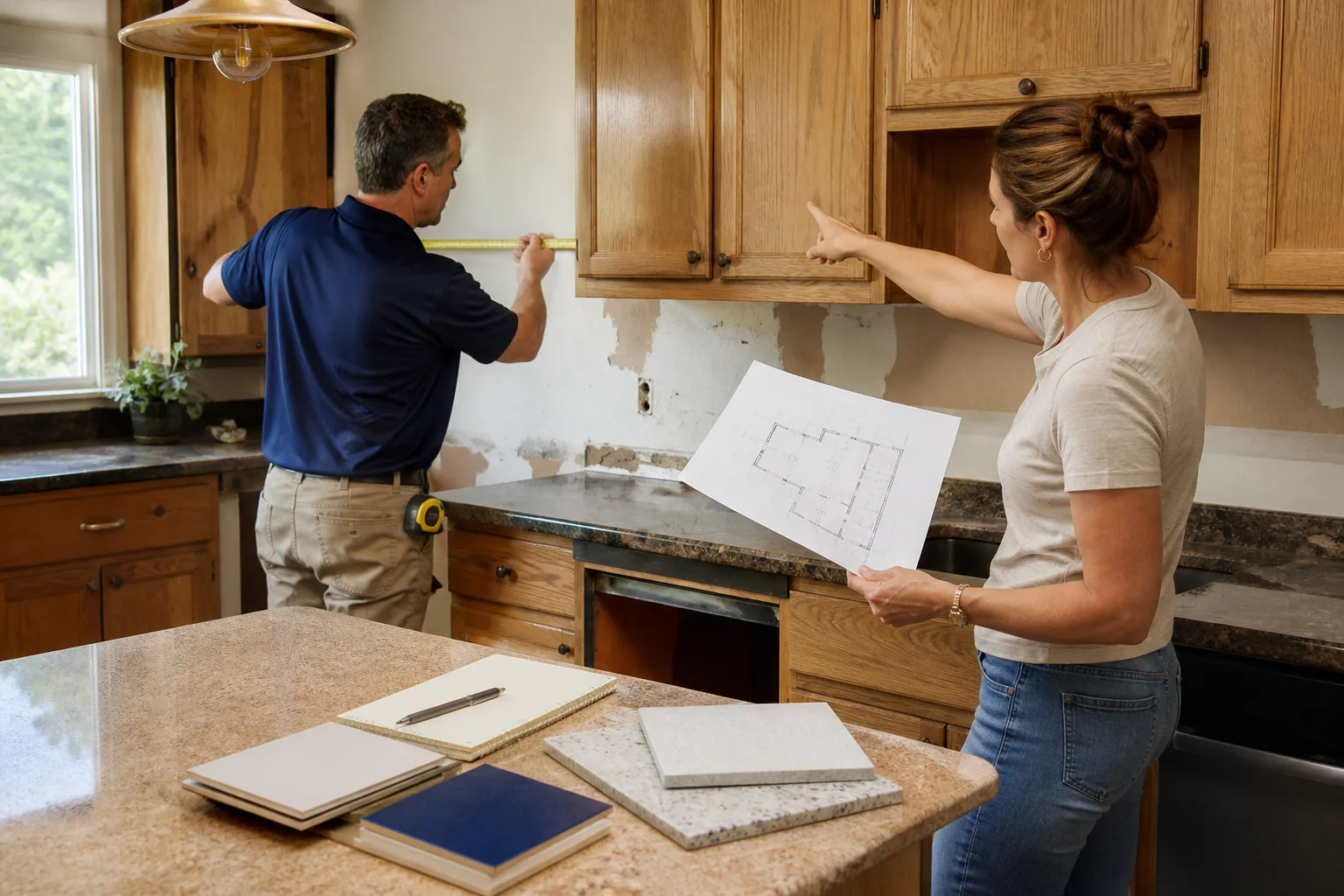
Free written scope consultation - allowances, timeline, and change-order rules on paper before a single trade is scheduled
Plant Prefab Kitchen Remodeling: The Fort Lauderdale Owner’s Guide
A Plant Prefab kitchen remodel in Fort Lauderdale typically costs between $14,000 and $45,000 installed, depending on cabinet layout, countertop material, and whether you’re refreshing components or doing a full gut-out. We stock Plant Prefab-compatible cabinetry hardware, paneling, and trim, and most component swaps are finished within one to three working days once materials are on site. Owners usually discover a problem the same way: a cabinet door that won’t stay aligned, a panel seam that has opened up from humidity, or a drawer slide that grinds no matter how many times you adjust it.
Plant Prefab homes come off the factory line tight and precise, but Florida’s climate works against that precision over time. Salt air in Fort Lauderdale neighborhoods like Victoria Park or Rio Vista accelerates corrosion on hardware finishes. Summer humidity, which sits at 80 percent or higher from June through September, causes engineered panels to move more than they ever did in a controlled factory setting. What started as a clean modular install becomes a kitchen that needs someone who understands both the prefab system and the local conditions it now lives in.
We’re an independent remodeling company, not affiliated with Plant Prefab. That matters because we can source OEM-spec parts or quality equivalents without being locked into a single supply channel. Isaac Pruett runs our Fort Lauderdale operations, and he’s spent enough years opening walls in South Florida to know exactly what a prefab kitchen looks like after ten years of coastal humidity.
Which Plant Prefab Models This Applies To
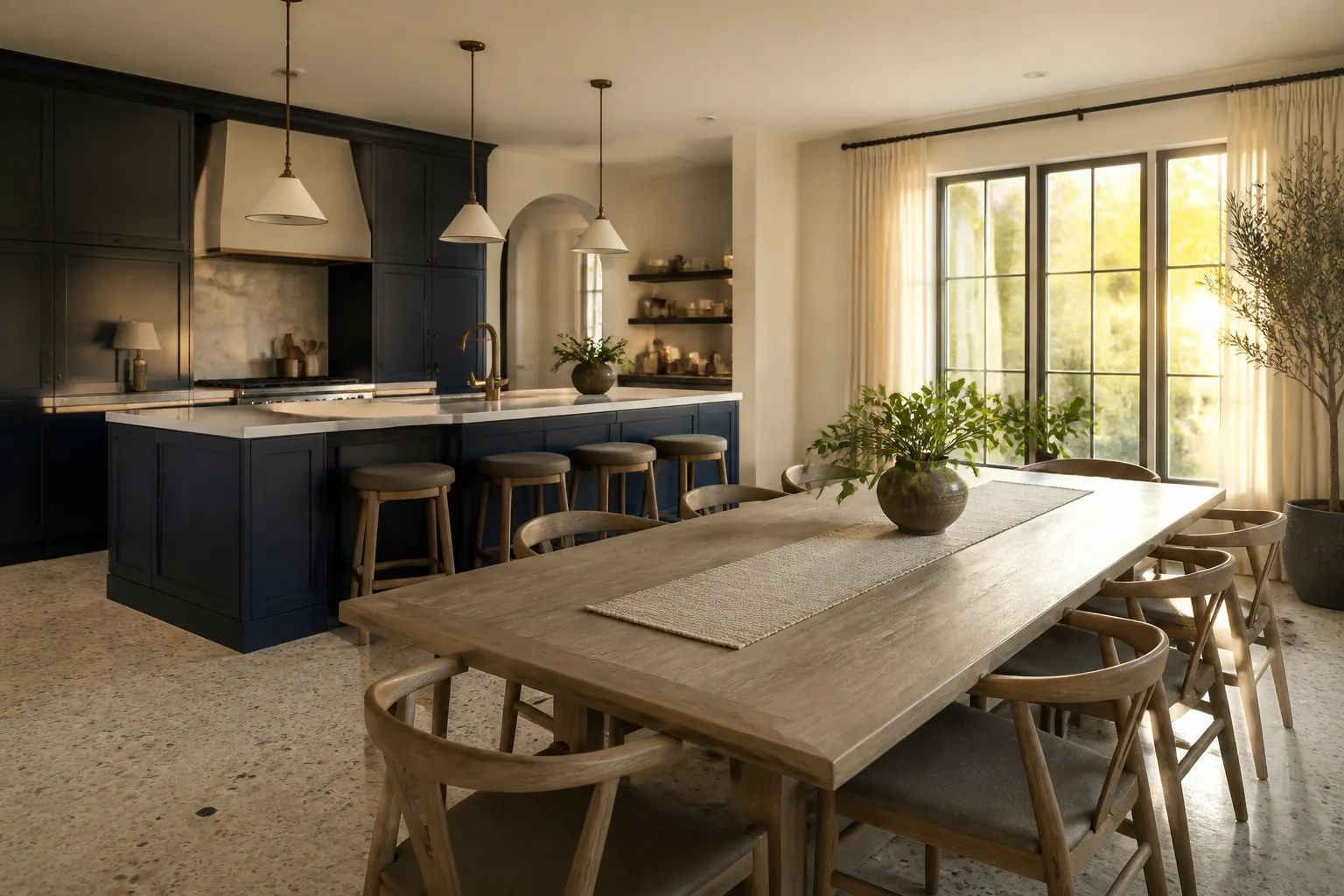
Plant Prefab’s kitchen systems show up primarily in their LivingHome series, including the YB and YB2 models, along with earlier C6 and C10 panelized builds. The kitchen components are largely the same across these lines: modular base and upper cabinets mounted to factory-set cleats, laminate or veneer panel faces, and Euro-style hinges and drawer slides sourced from the same suppliers Plant Prefab has used for years.
The compatibility gotcha most owners hit is this: the cabinet boxes are modular, but the panel finishes and edge banding were matched to a specific production run. You cannot order a single replacement door from a big-box store and expect the color, sheen, and edge profile to match what’s on the wall right now. A 2018 cabinet face in white oak veneer from the factory will not match a 2024 white oak veneer door from a different mill. We match panels by taking a sample to our material suppliers and comparing finish and grain under daylight, not fluorescent light. That’s how you avoid a kitchen that looks like a patch job.
For hardware, Plant Prefab typically used Blum or Grass motion hardware on newer builds, and older units may have Salice or Häfele. The mounting pattern matters more than the brand name: 35mm cup hinge bore spacing is standard, but drawer slide lengths vary between 15 and 21 inches depending on cabinet depth. We carry the common slide lengths and hinge overlays on our trucks, so a hardware swap doesn’t drag into a multi-day sourcing ordeal.
The OEM-versus-aftermarket decision depends on what failed. For finish-matched panels and doors, original-spec material from the same supplier network is the only path that preserves a seamless look. For concealed hinges and slides, quality aftermarket pieces made for 35mm Euro-bored cabinets work fine and often outlast the originals because the newer generation of soft-close hardware is simply better than what shipped ten years ago. KraftMaid, Cambria, and Silestone are brands we also stock and install, which gives Plant Prefab owners a wider set of options when they’d rather upgrade than replicate.
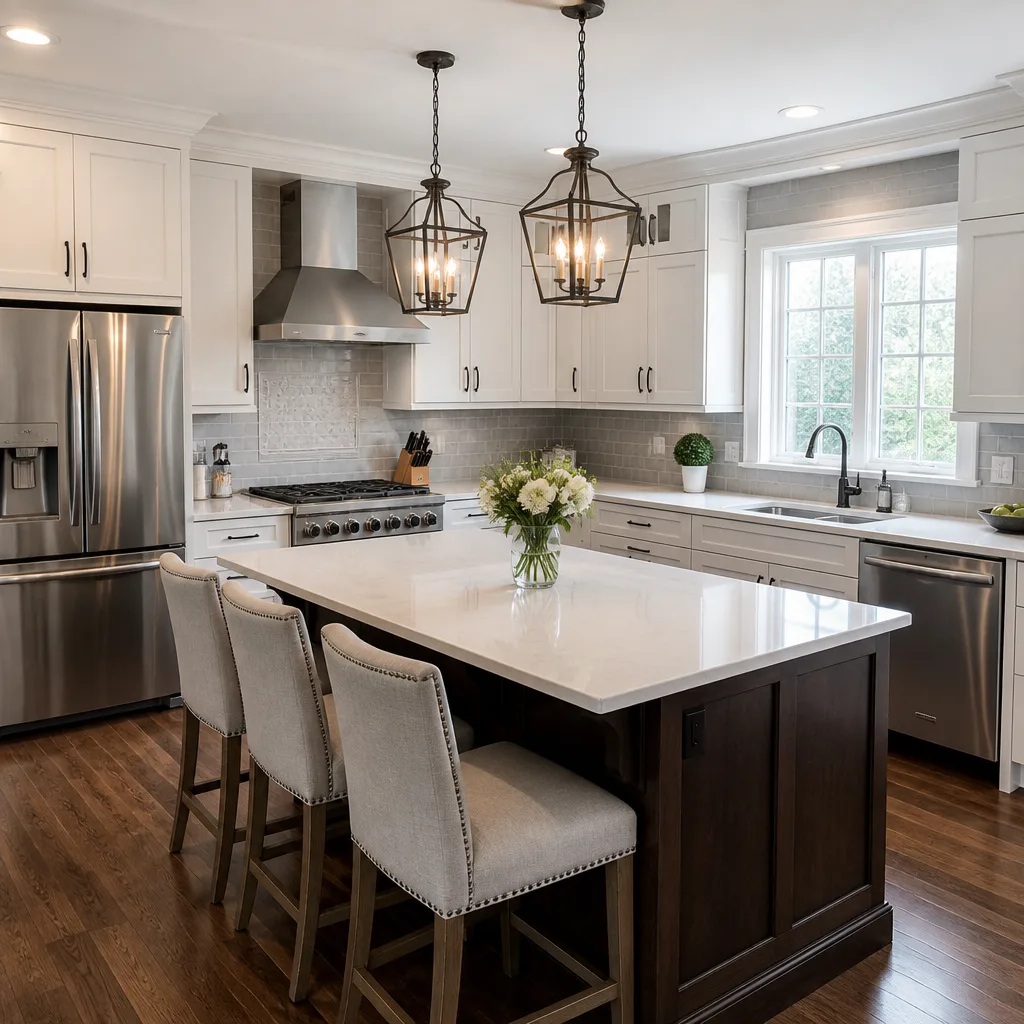
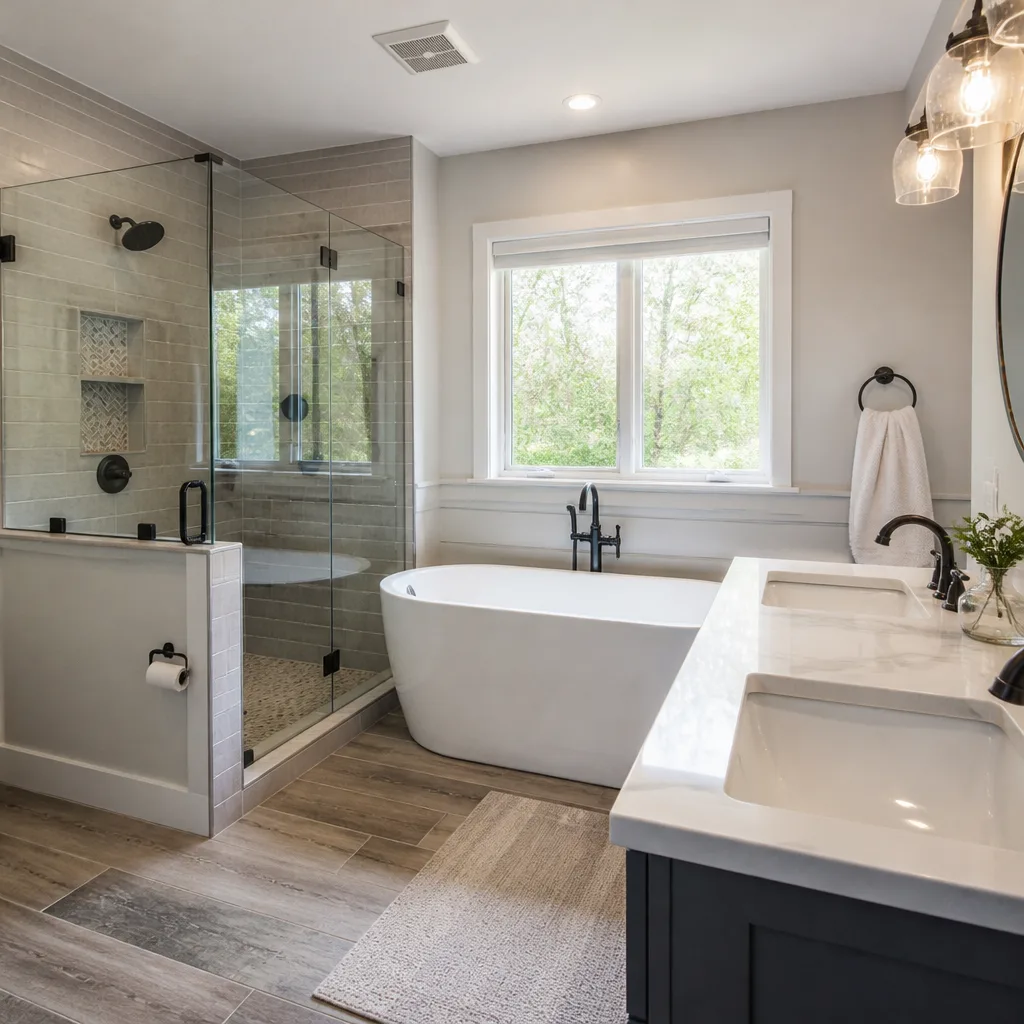
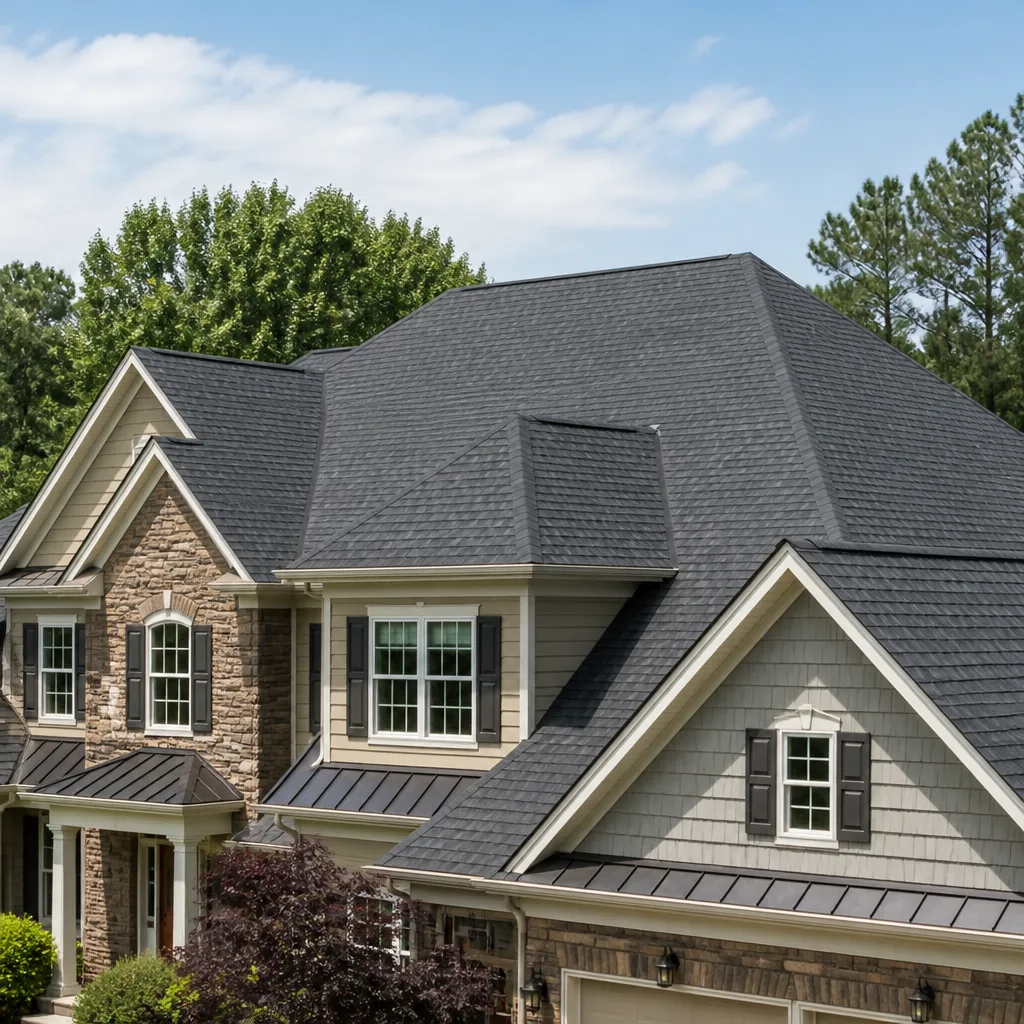
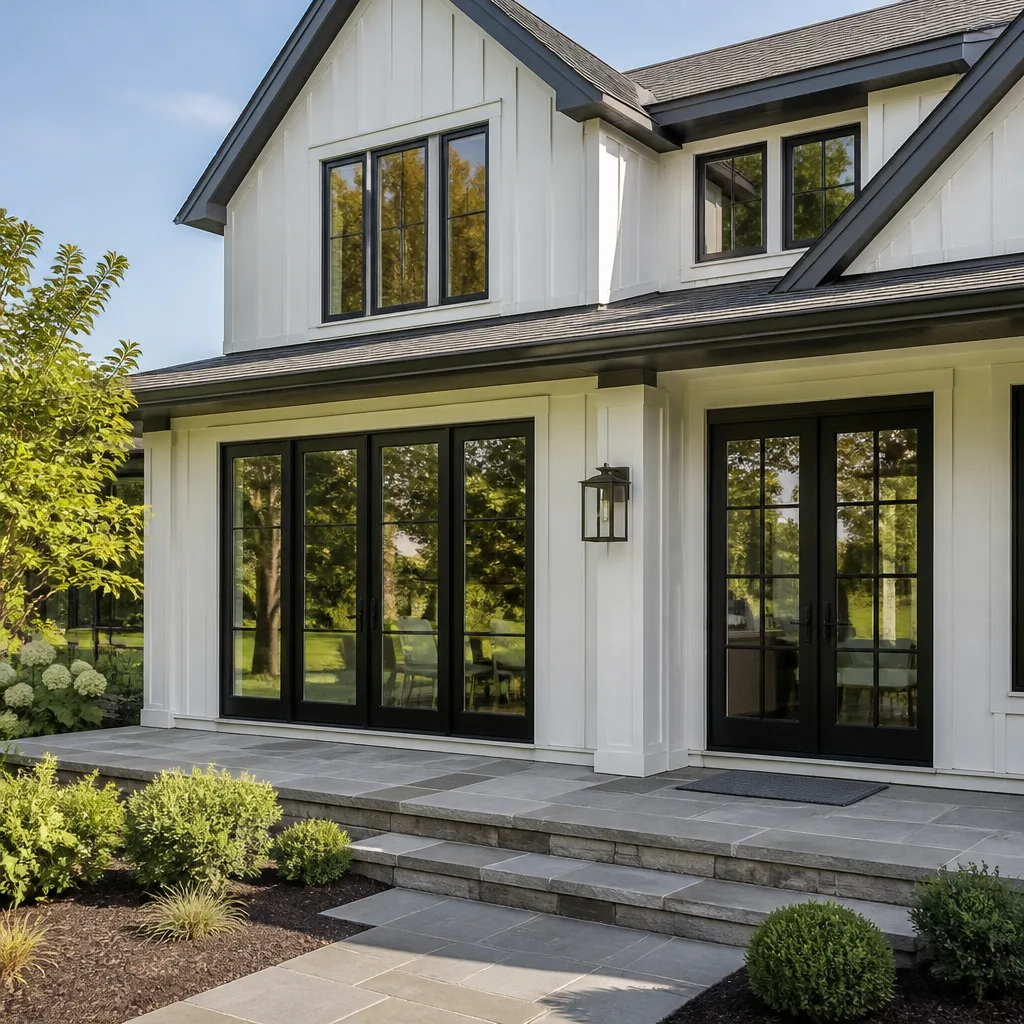
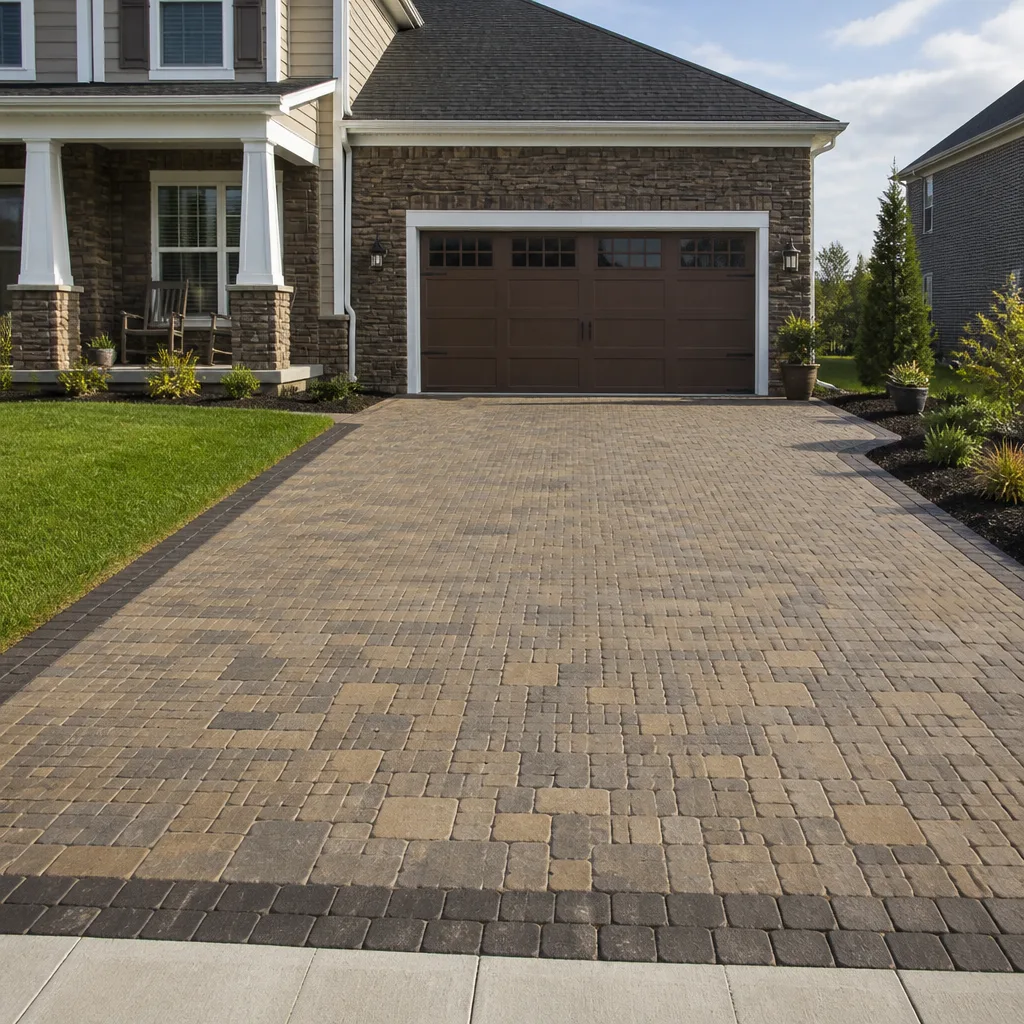
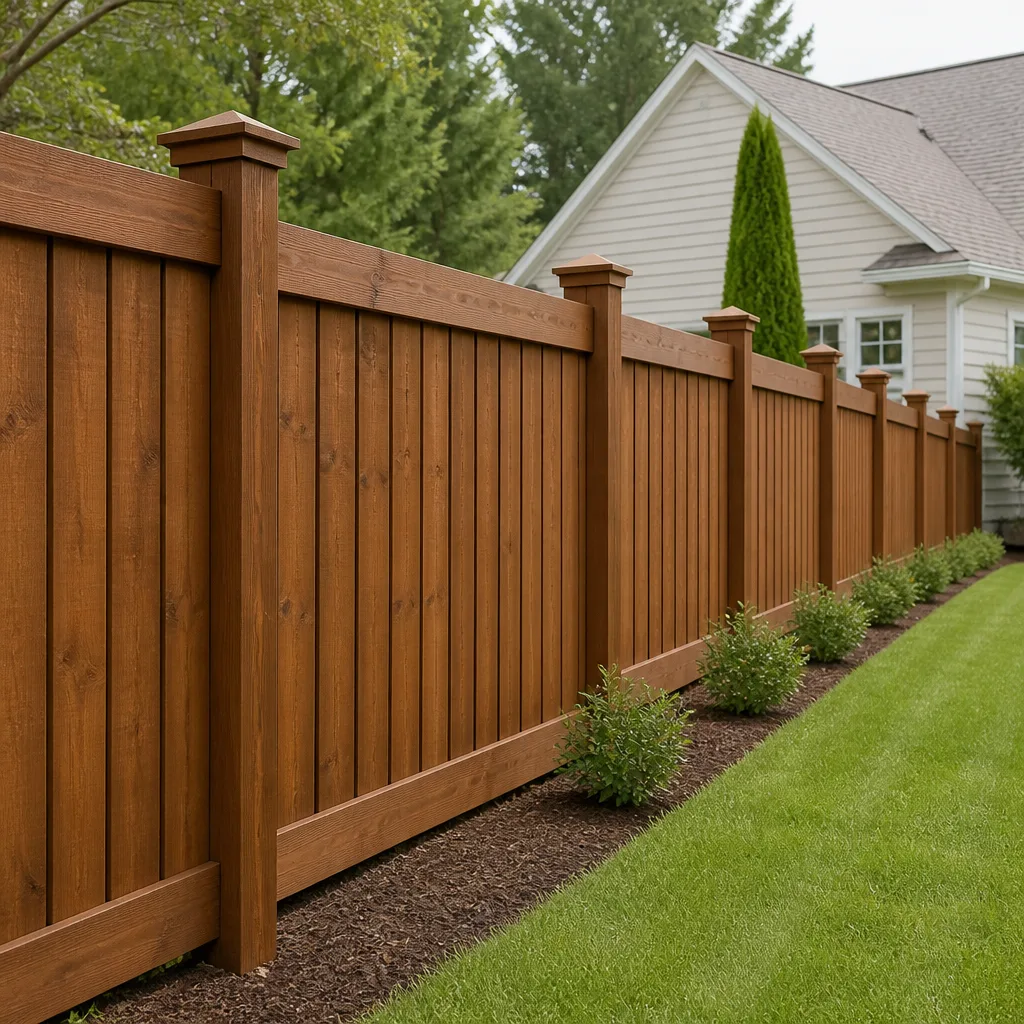
Styles & brands we work with
Signs Your Plant Prefab Kitchen Remodeling Is Failing
- Cabinet doors that sag or won’t stay shut. The hinge plate screws have stripped out of the particleboard or MDF side panel, or the hinge itself has worn enough to lose adjustment. This is almost always a hardware replacement fix, and it’s the most common call we get from Plant Prefab owners in Fort Lauderdale.
- Drawer faces that sit crooked or scrape when opening. The drawer slide has lost its bearing alignment, usually from years of salt air and humidity working on the internal ball bearings. Lubricating it buys a week; replacing the slide fixes it permanently.
- Panel seams that have opened, especially above the stove or dishwasher. Heat and moisture cycles from appliances cause the panel joints to expand and contract. Once the factory adhesive or thermofoil edge lets go, the panel will keep moving. This typically requires a re-laminate or panel replacement, not a touch-up.
- Swollen or bubbled edges at the sink base cabinet. Water has wicked into exposed particleboard edges. This is the classic Florida failure point: a small drip at the sink flange goes unnoticed until the cabinet box itself has lost structural integrity. The fix often involves replacing the affected panel and the sink flange seal together.
- Cloudy or peeling thermofoil on door and drawer fronts. Thermofoil doesn’t handle South Florida’s combination of heat and humidity well over a decade. When the vinyl skin separates from the MDF core, replacement is the honest answer. We’ve seen every repair shortcut tried, and none lasts a season.
See the difference
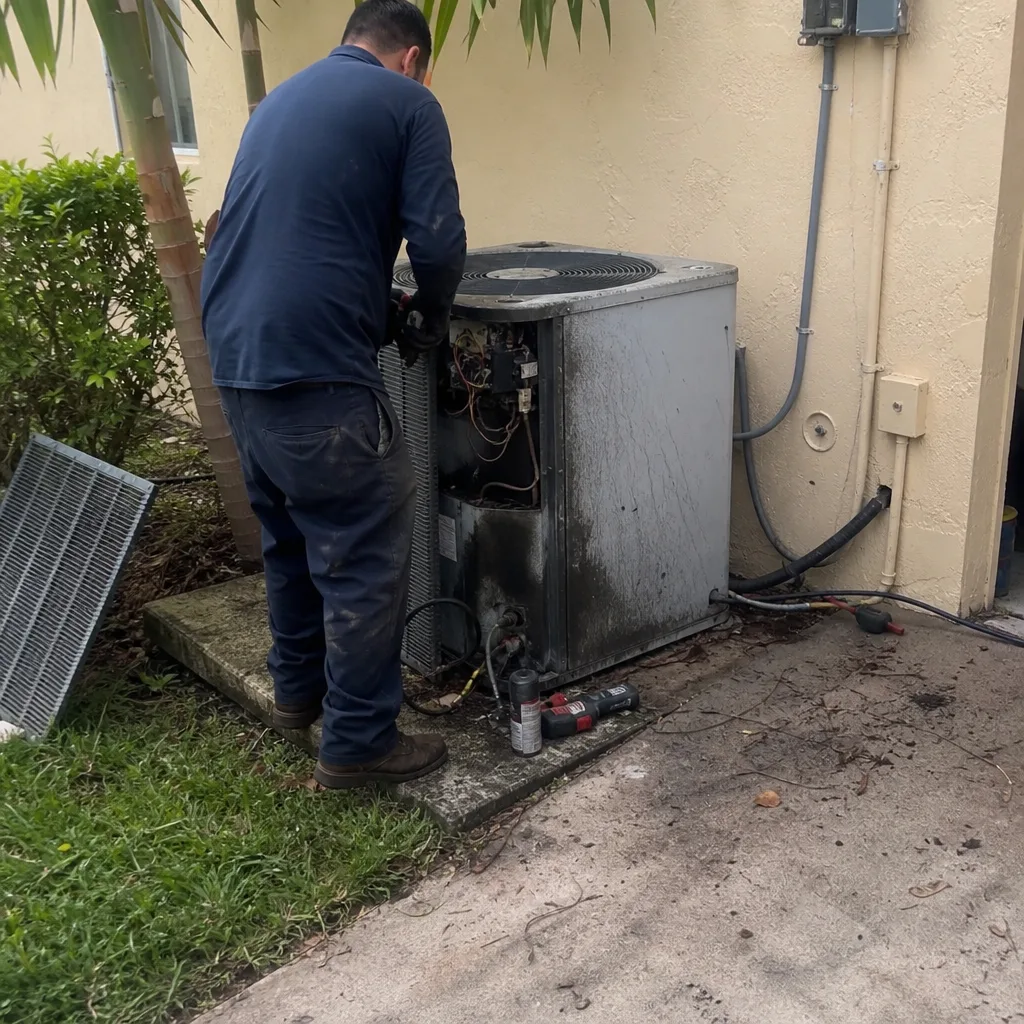 Before
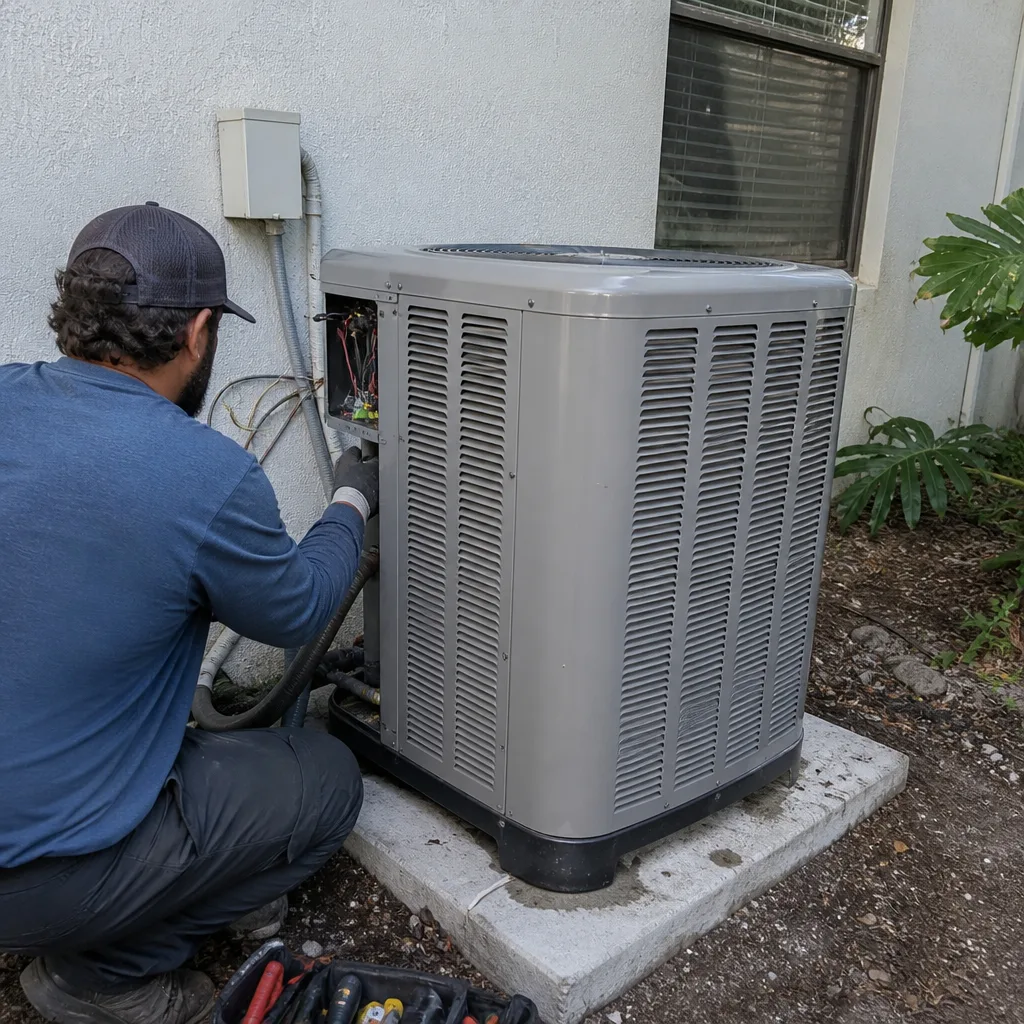 After
After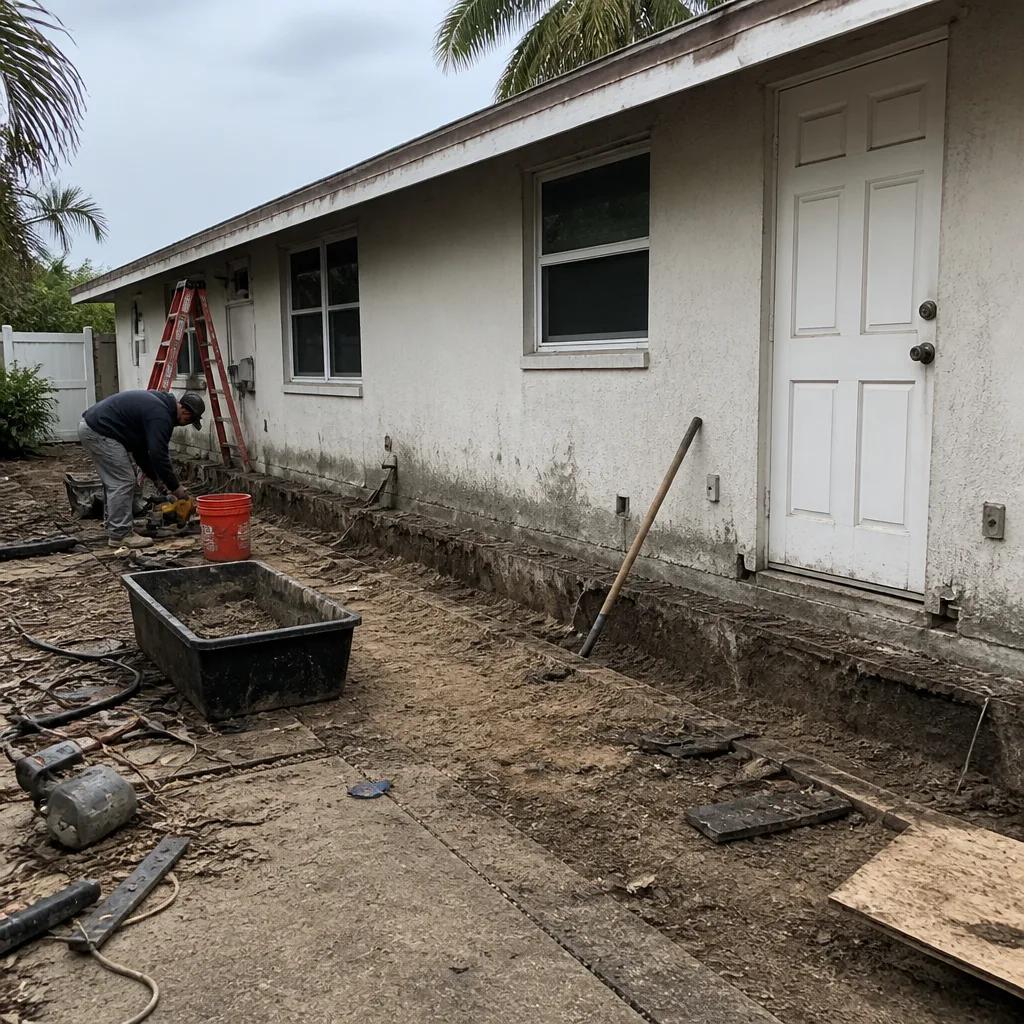 Before
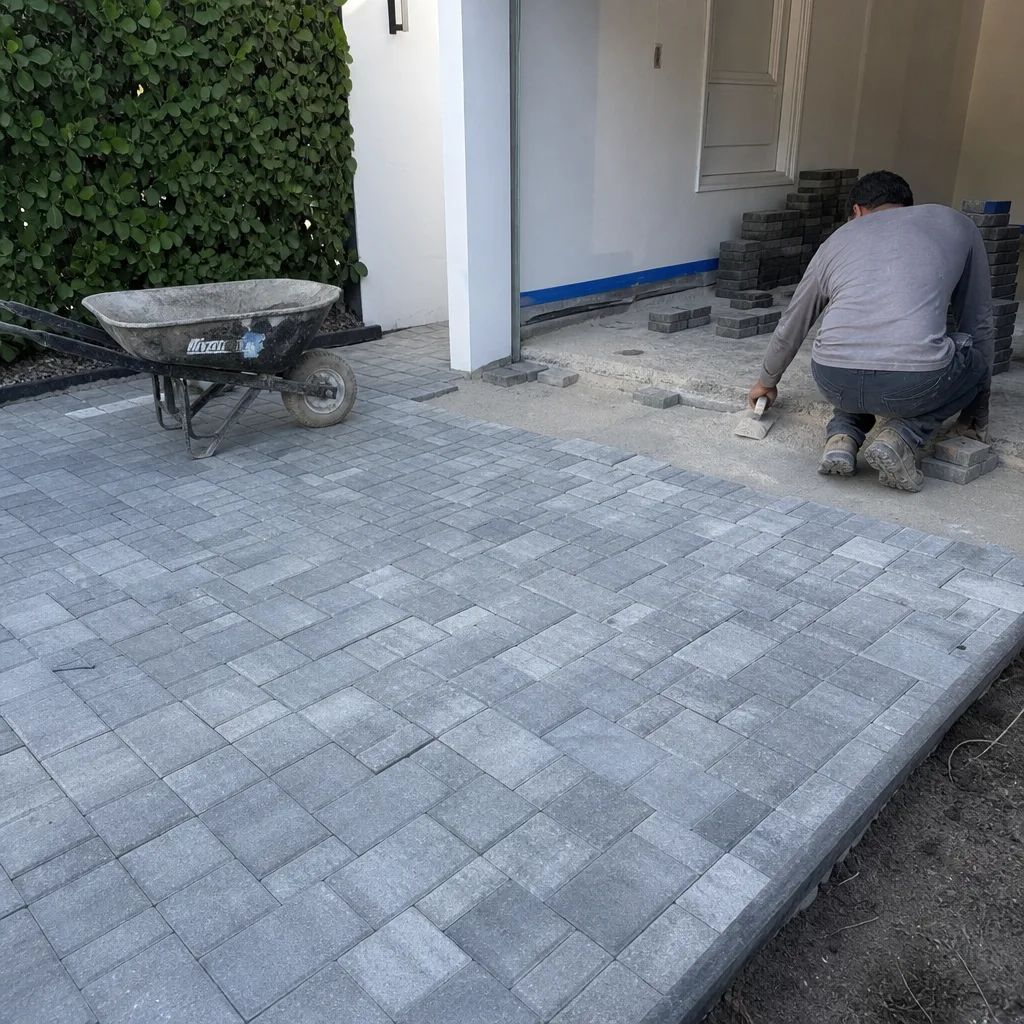 After
After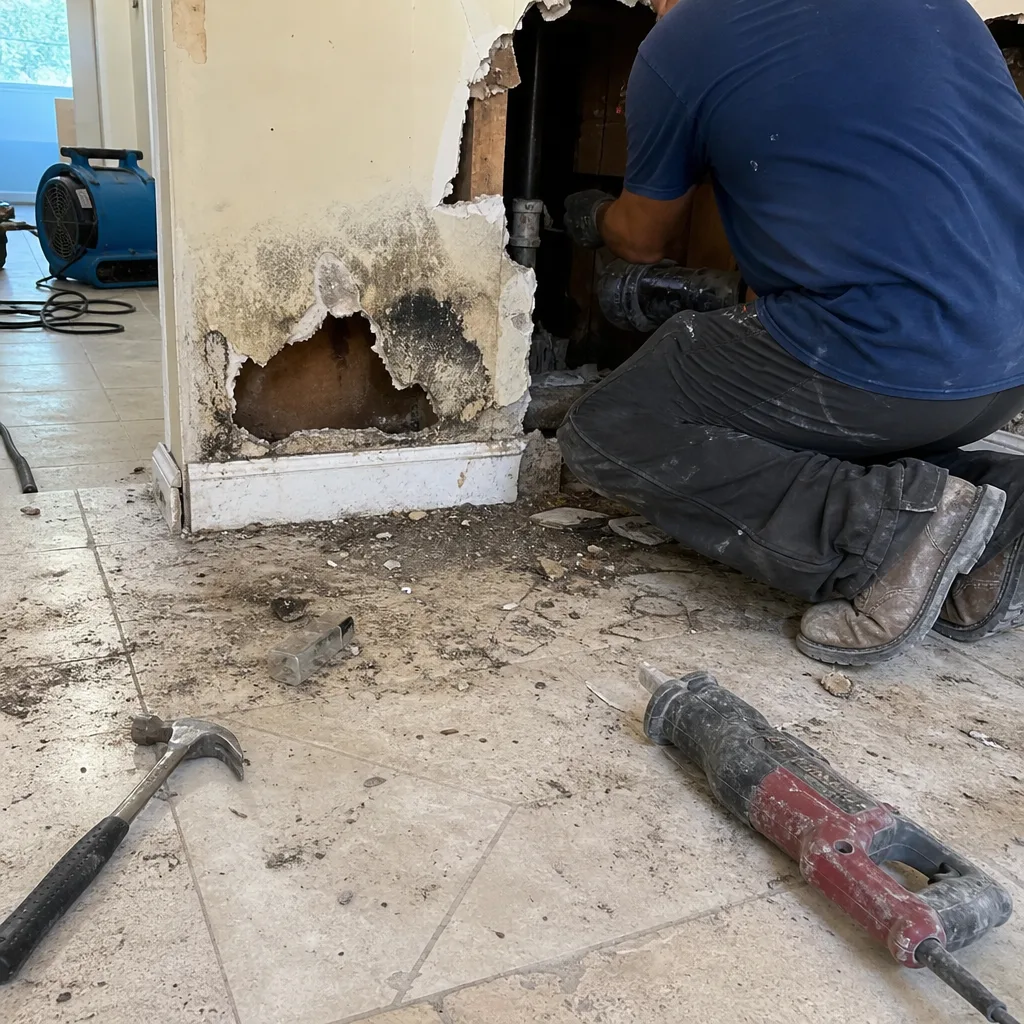 Before
 After
AfterReplacement Cost & What’s Included
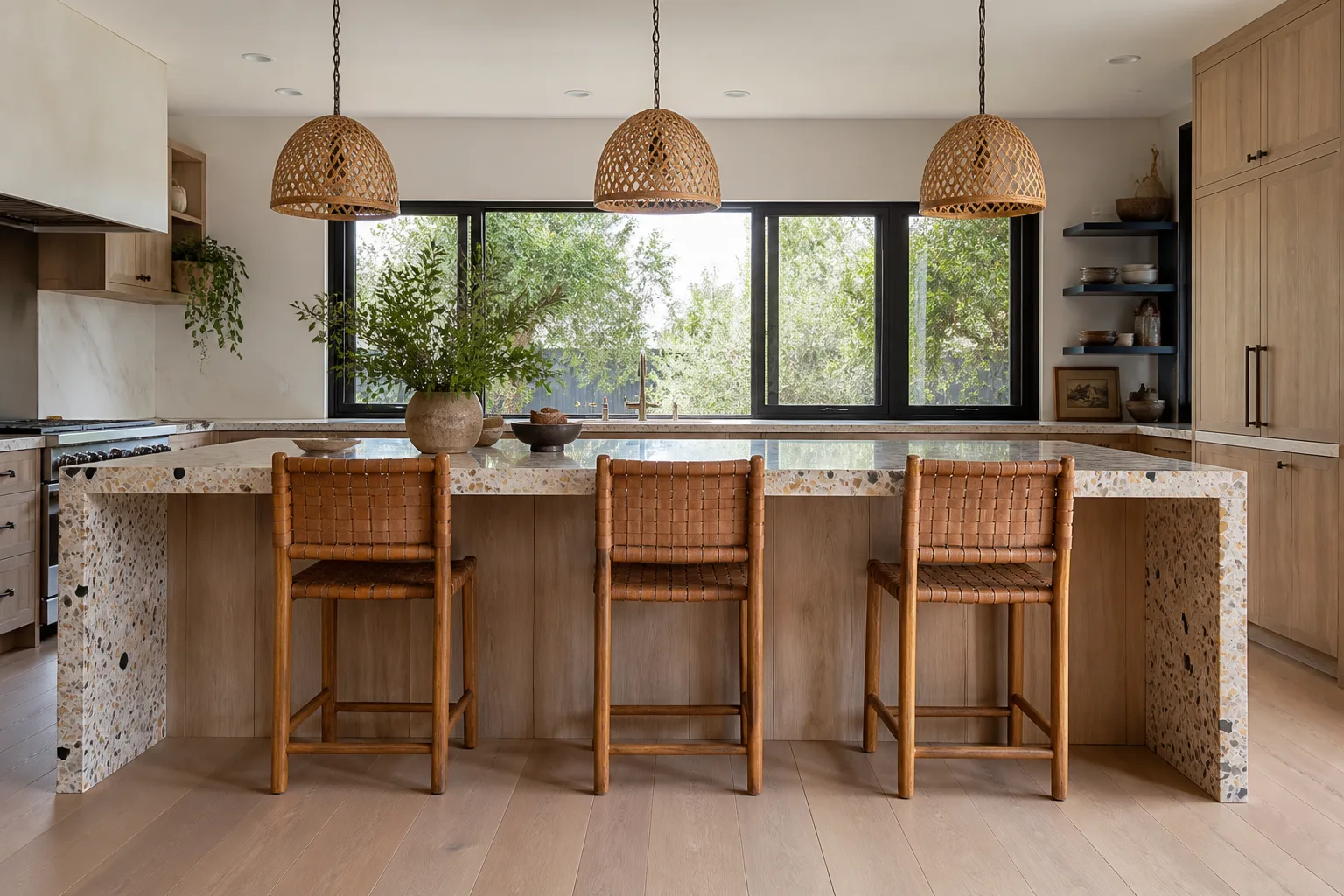
A focused Plant Prefab kitchen component replacement in Fort Lauderdale runs $14,000 to $45,000, with the spread driven by scope: swapping failed hardware and a few panels sits at the lower end, while a full cabinet replacement with new countertop surfaces lands at the top. For context, a small kitchen remodel in this market runs $9,000 to $20,000, cabinet installation alone runs $4,000 to $13,000, and new countertop installation runs $2,000 to $6,500.
What drives the range on a Plant Prefab job specifically is panel matching and fabrication lead time. A hinge and slide replacement is a one-day job with parts already on the truck. Matching a veneer door requires sourcing from a mill that can produce the same species, cut, and finish, which adds fabrication days. Thermofoil panels need separate forming. We give you one written price for the whole job before any work starts, so you won’t get a call two weeks in telling you the bill grew.
Every Plant Prefab kitchen remodeling job we do in Fort Lauderdale includes the parts, labor, finish matching, and haul-away of anything we replace. The workmanship is covered by our 365-Day Done Right Promise: if something isn’t right within a year of completion, we come back at no cost. That’s 365 days from the completion date, stated plainly.
DIY or Call Us?
You can safely check a few things yourself. Look for loose hinge screws and snug them down with a Phillips driver. Wipe down the drawer slides and check whether the adjustment tab has slipped. Confirm whether the cabinet box is square by measuring corner to corner. None of that requires special tools, and it helps us diagnose faster when you call.
Where DIY goes wrong is panel replacement and any work involving seam resurfacing. Plant Prefab panels are not off-the-shelf; they’re cut and edged to match your specific production run. The adhesives and edge banding used on factory panels need proper clamping and a clean, dry environment to bond. Fort Lauderdale’s humidity will defeat an amateur edge-banding job within months, and then you’ve paid twice. There’s also no safety concern with cabinets the way there is with a high-tension garage spring, but there is a money-burning concern when a well-meaning patch job fails and now the panel underneath is damaged too.
We tell you what we found, what it takes to fix it, and what it will cost once we have eyes on the job. Call (754) 354-3720 and someone will pick up.
FAQs
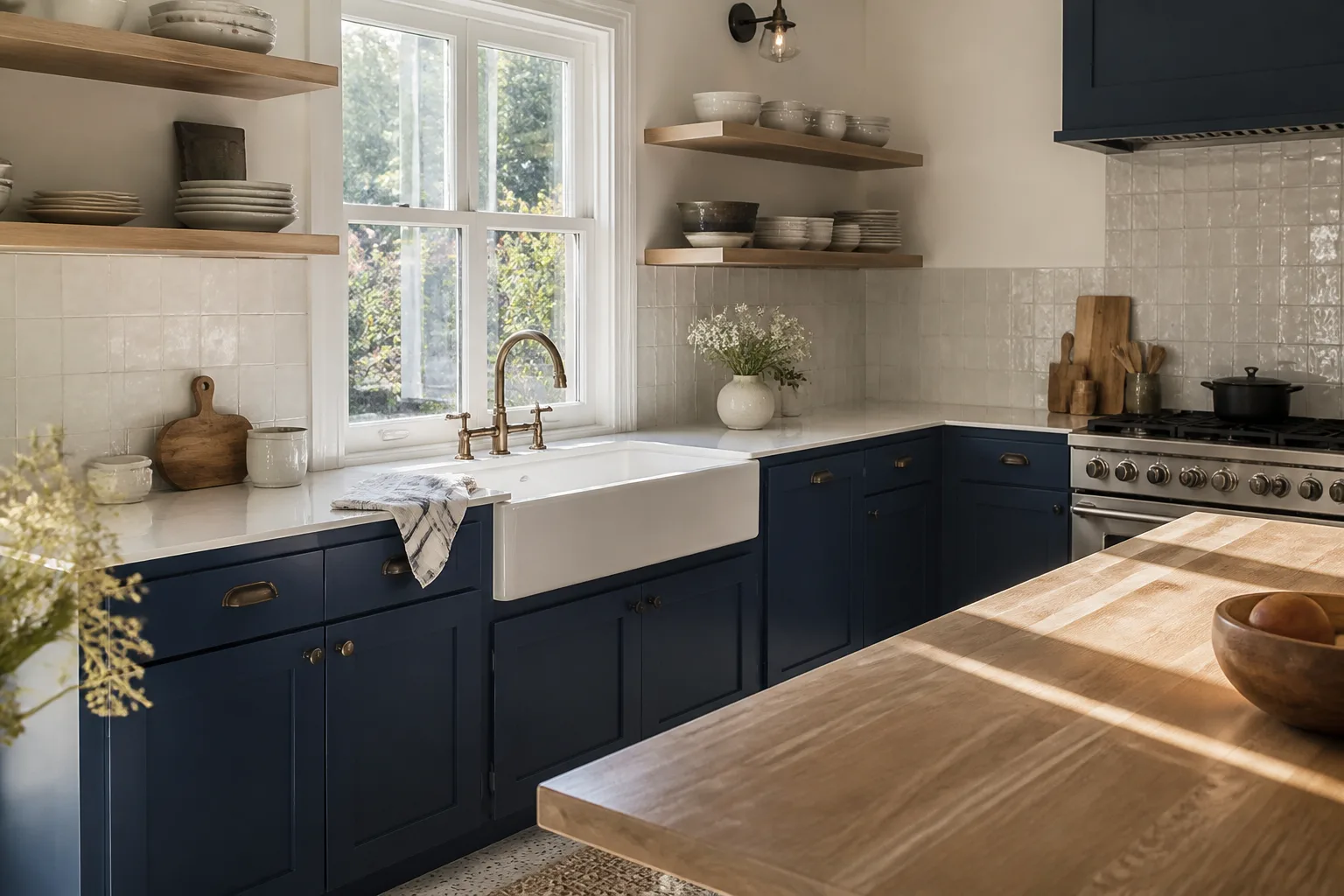
How long do Plant Prefab kitchen cabinets last in Fort Lauderdale? Expect 10 to 15 years from the original cabinets in a coastal Florida home before hinge wear, panel movement, or thermofoil delamination forces meaningful replacement work. The boxes often outlast the doors and hardware, which is why a component-level remodel usually makes more sense than a full gut-out.
Can you repair a Plant Prefab cabinet panel instead of replacing it? In most cases in Fort Lauderdale’s climate, no. Swollen particleboard, separated thermofoil, and opened seams don’t take repairs that last. Hardware is repairable; panels and doors are replaceable. We’ll tell you which one you actually have. Call (754) 354-3720 for an honest assessment.
How long does a Plant Prefab kitchen component swap take? Hardware replacement is typically one working day. Matched panel or door replacement runs one to three working days once the fabricated parts land in our shop. Full cabinet and countertop replacement usually spans one to two weeks. We’ll put the schedule in writing with your price.
Do you stock Plant Prefab-compatible parts, or do you have to order them? We stock the most common hinge overlays, drawer slide lengths, and mounting hardware for Plant Prefab-style cabinetry on our trucks. Finish-matched panels and doors are fabricated to order because they must correspond to your specific factory run and edge profile. For exact availability on your model, call (754) 354-3720 and we’ll check what’s on hand.
We hang our license, our guarantee, and the name of the person running your job on every Plant Prefab kitchen remodel we do in Fort Lauderdale. You’ll know the technician’s name and face before they arrive, and the price before they start. Call (754) 354-3720 to schedule your free estimate.
Written by Isaac Pruett, Owner, Mason Remodeling Co Fort Lauderdale at Mason Remodeling Co Fort Lauderdale, serving Fort Lauderdale and nearby areas.