Free written scope consultation - allowances, timeline, and change-order rules on paper before a single trade is scheduled
James Hardie Kitchen Remodeling: The Fort Lauderdale Owner’s Guide
James Hardie kitchen remodeling in Fort Lauderdale typically runs $14,000 – $45,000 installed, depending on whether you’re replacing failing siding around the kitchen envelope, reworking the exterior wall where cabinets sit, or doing a full kitchen gut that involves HardieBacker removal and reinstallation. Most owners call us after noticing moisture damage at the base of kitchen walls, cracked HardieBacker behind tile, or siding that’s swollen and soft along the kitchen’s exterior face. If you own a South Florida home built or re-sided with James Hardie products in the last 10 – 20 years, you’re probably dealing with one of three issues: failed flashing at the kitchen wall line, HardieBacker that’s been compromised by years of Florida humidity and sink splash, or improperly installed board that’s now pulling away from the studs.
We’ve handled every version of this problem in homes from Victoria Park to Rio Vista to the neighborhoods off Commercial Boulevard. Before you spend another week staring at that swelling baseboard or the hairline crack running through your backsplash grout, here’s what you need to know about how James Hardie products hold up in Fort Lauderdale’s climate, what it costs to fix them right, and what to expect from a kitchen-focused repair or remodel with us.
Key Takeaways
- James Hardie kitchen remodeling in Fort Lauderdale costs $14,000 – $45,000 installed for full projects; smaller HardieBacker repairs or localized siding fixes fall on the lower end.
- We stock common HardieBacker board sizes (3′ x 5′ sheets in 1/4″ and 1/2″ thicknesses) and HardiePlank lap siding on our trucks, so we can usually diagnose and quote in one visit.
- Florida’s humidity and salt air mean James Hardie products fail differently here than they do inland – we look for specific moisture pathways before touching a thing.
- Every quote is written and itemized before work starts, and every installation carries our 365-Day Done Right Promise.
Which James Hardie Models This Applies To
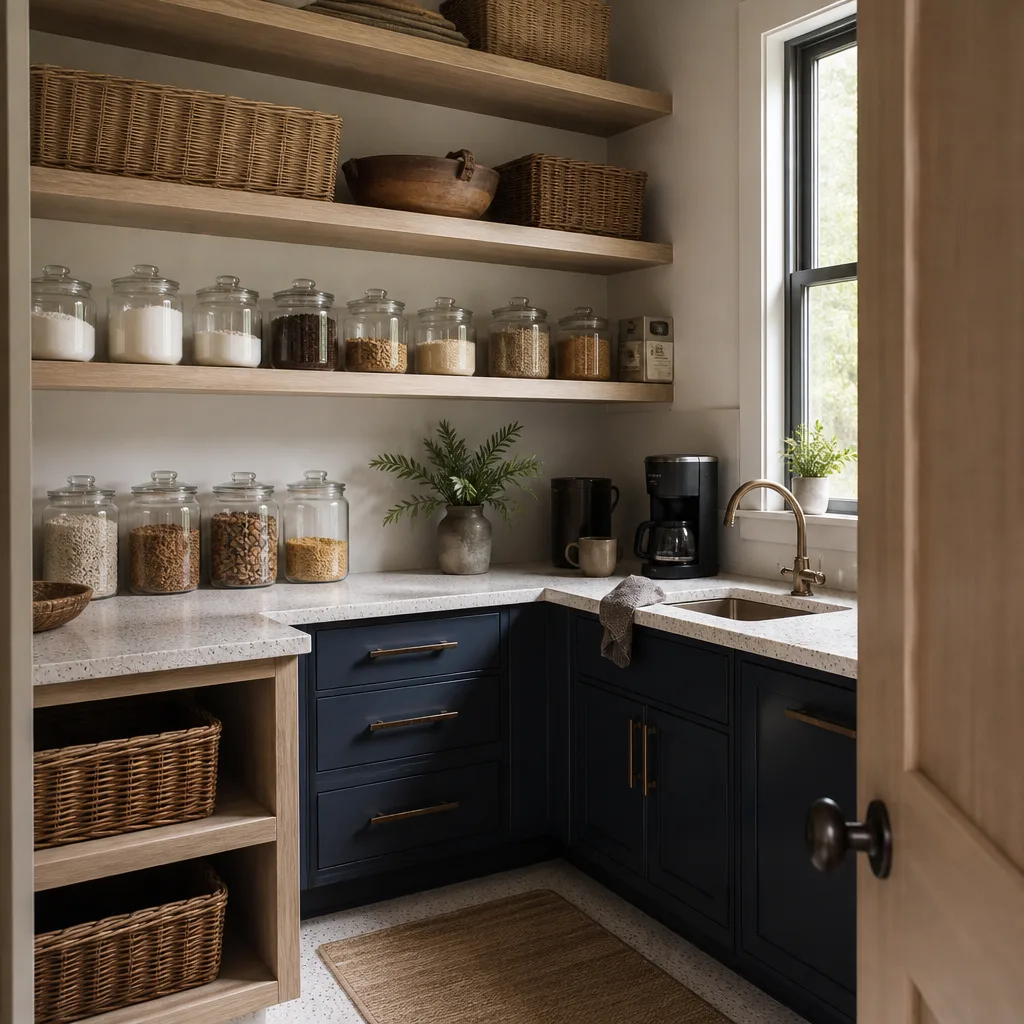
Most Fort Lauderdale kitchens we service involve two James Hardie product lines: HardieBacker cement board (used as tile underlayment behind backsplashes, on kitchen floors, and in adjacent areas) and HardiePlank or HardiePanel fiber cement siding (used on the exterior face of the kitchen wall). HardieBacker comes in 1/4″ and 1/2″ thicknesses, 3′ x 5′ sheets, and in a “500” moisture-resistant formulation. The 1/2″ board is what you want behind kitchen backsplash tile; the 1/4″ is for floors over existing subfloor, though in coastal high-moisture zones like Fort Lauderdale we lean toward the 1/2″ for both, because the extra quarter-inch of thickness buys real margin against humidity-driven flex.
Here’s the compatibility gotcha most homeowners don’t know: HardieBacker is not waterproof. It’s water-resistant, which means it tolerates moisture but does not stop it. In a Fort Lauderdale kitchen, where ambient humidity hovers near 80% for half the year and sink splash is constant, any gap in the waterproofing layer behind the HardieBacker – a missed seam, a skipped bead of thinset, improper mesh tape – becomes a slow leak into the wall cavity. The board itself rarely fails first; the installation details around it do. When we open up a failed kitchen, we almost always find the same pattern: darkened board edges, soft drywall behind the HardieBacker, and a mold line tracing the path of a missing or poorly-applied waterproofing membrane.
For siding, James Hardie’s HardiePlank lap siding and HardiePanel vertical sheets are common on Fort Lauderdale homes built or renovated after 2005. The factory coating (ColorPlus or a post-paint job) matters less than the flashing details at the kitchen’s exterior wall penetrations – the range hood vent, the water line, the electrical outlet boxes. If you’re unsure which product you have, check the bottom edge of the siding boards; James Hardie prints the product name and sometimes the manufacturing code there. Or call us and we’ll identify it on site.
One more thing worth knowing: Mason Remodeling Co Fort Lauderdale is an independent service provider. We install and repair James Hardie products, but we’re not affiliated with James Hardie Industries in any way. That means we give you straight answers about what works and what doesn’t – including when an aftermarket fiber cement board or a different underlayment makes more sense for your specific kitchen than the James Hardie label would.
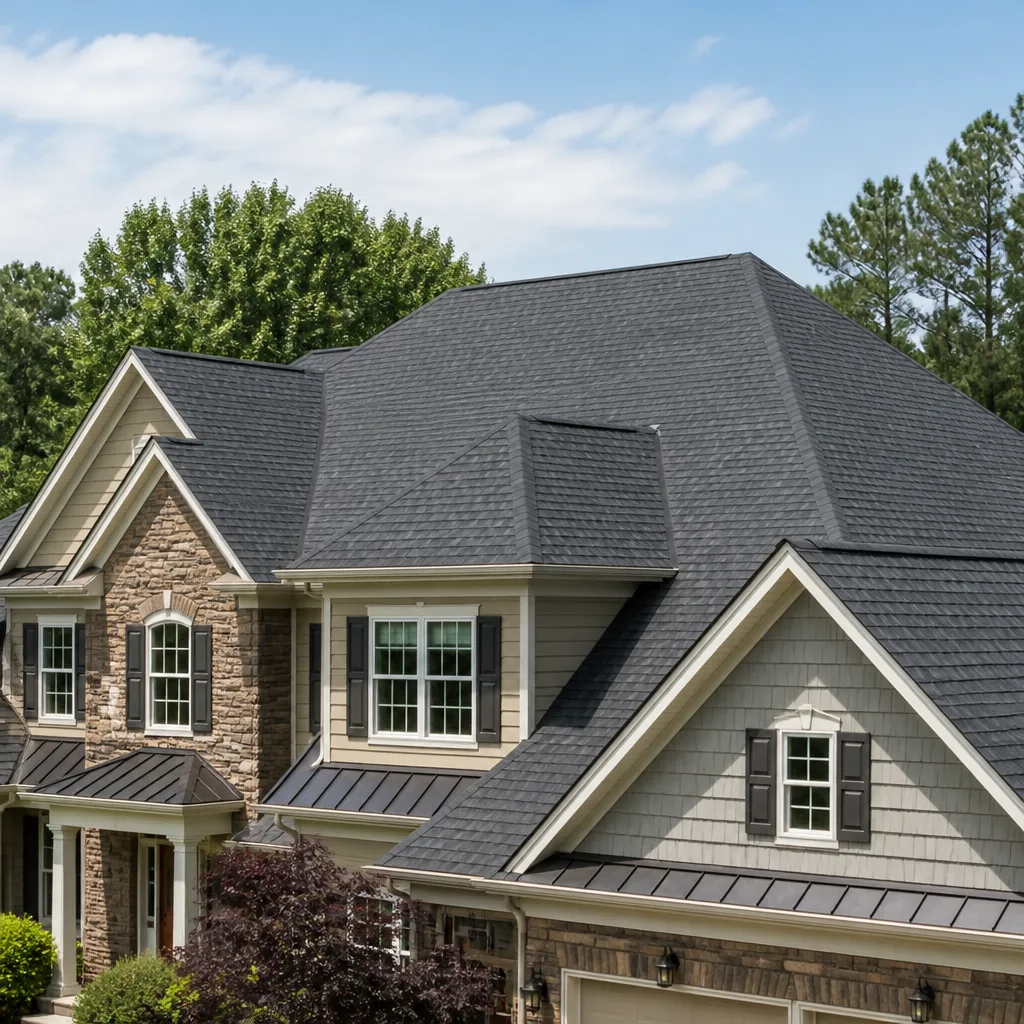
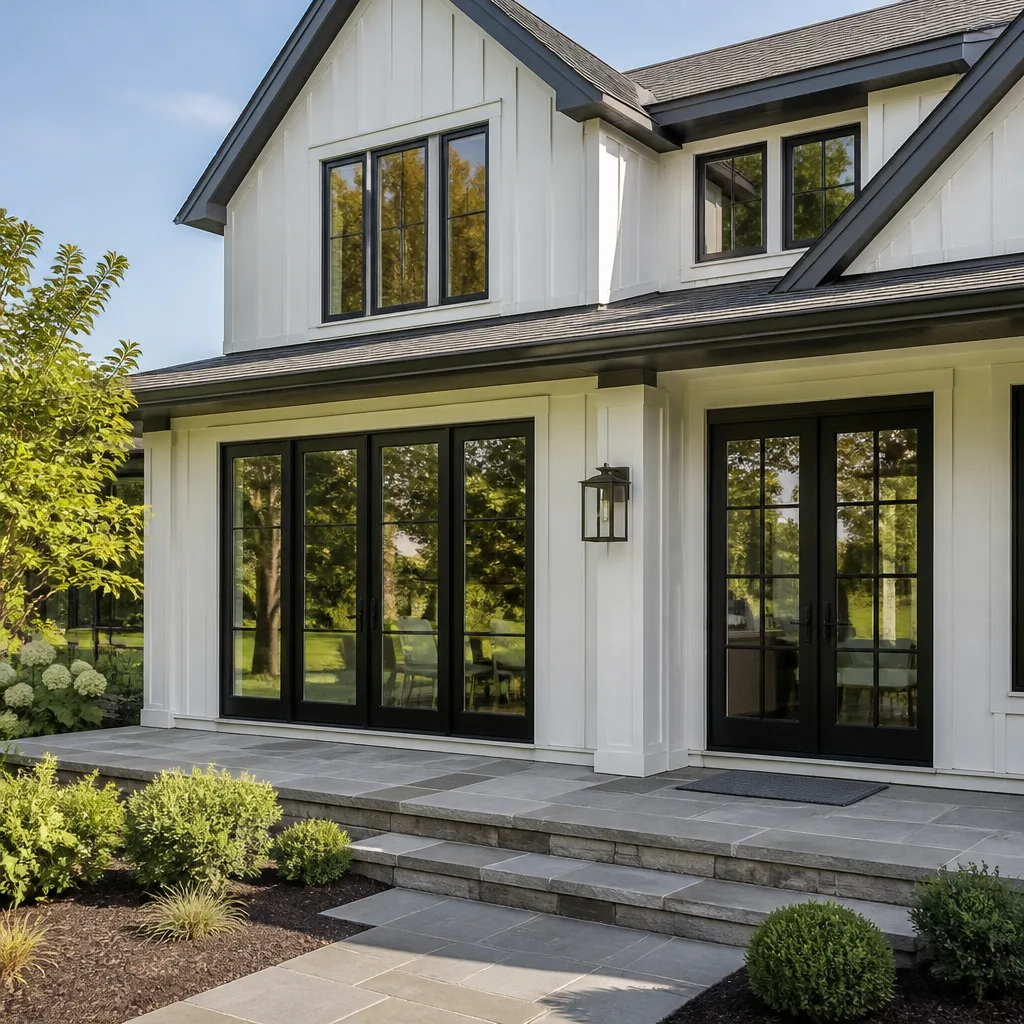
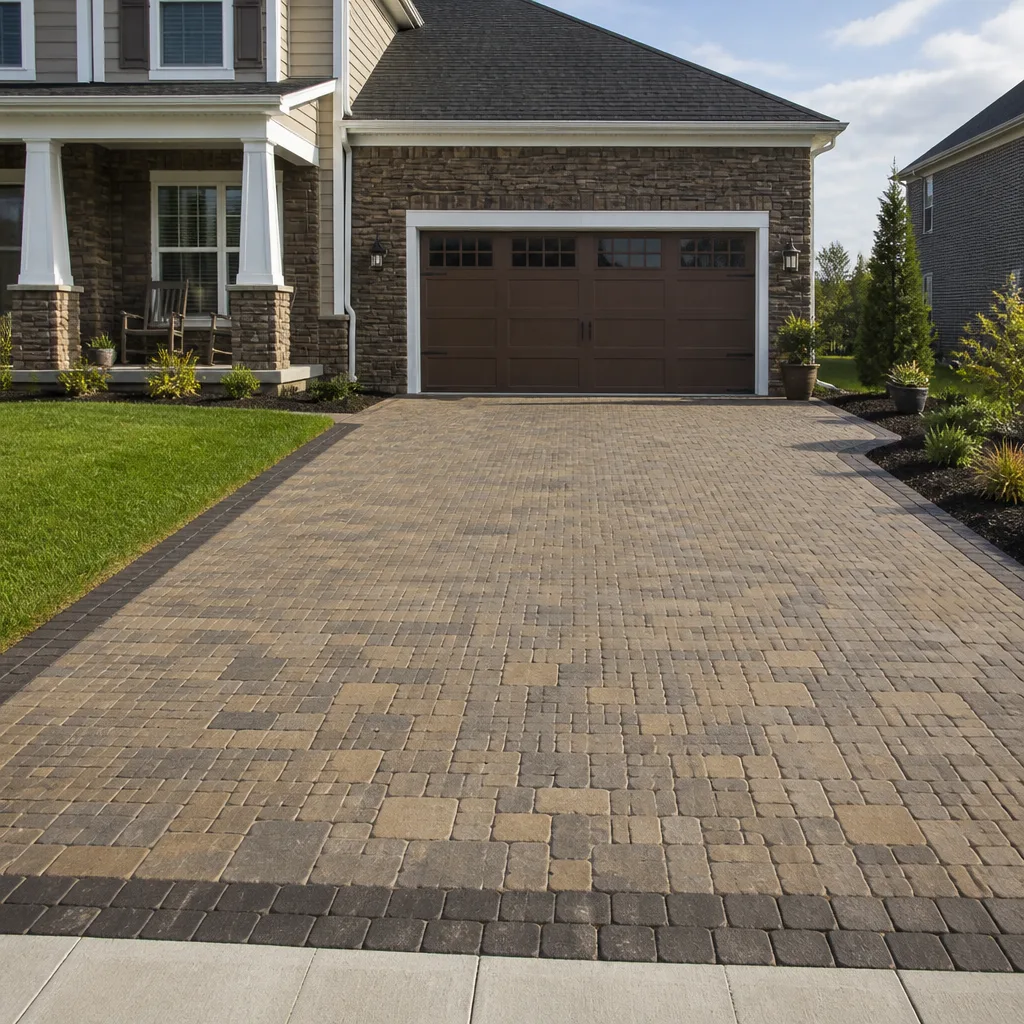
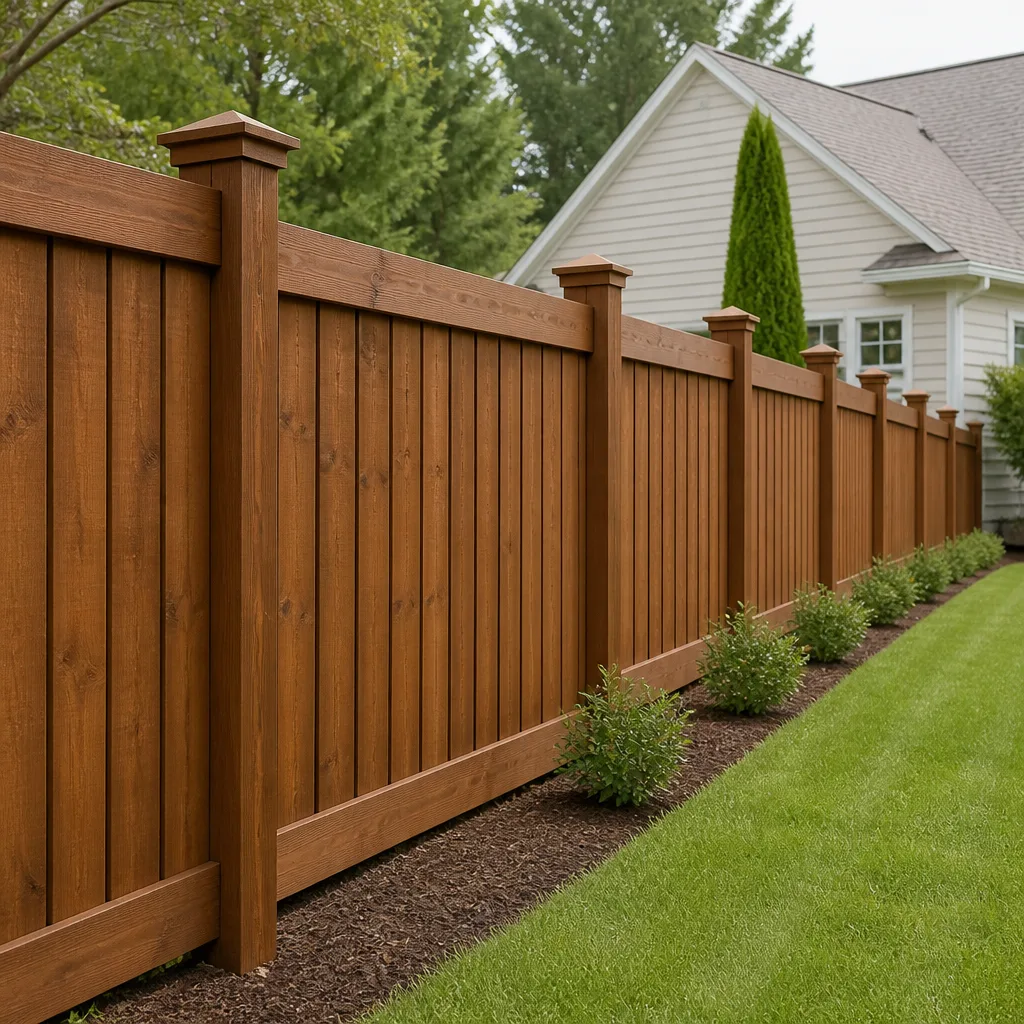
Styles & brands we work with
Signs Your James Hardie Kitchen Remodeling Is Failing
- Grout cracking or popping loose behind the sink and along the backsplash. This usually means the HardieBacker behind the tile is flexing, often because it was installed over a stud that’s too far out of plane or because moisture has swelled the board at a seam. You’re seeing movement, not just age.
- Baseboards along the exterior kitchen wall feel soft or look swollen. Water is wicking up from the slab or in from the exterior. In Fort Lauderdale, we often find that the weep screed or the flashing at the base of the HardiePlank was installed incorrectly, trapping water against the wall instead of letting it drain.
- Dark stains or a musty smell that lingers near the dishwasher or sink cabinet. HardieBacker doesn’t rot like drywall, but the framing behind it does. By the time you smell it, the moisture has been there awhile. This is the one most people ignore because it’s inside a cabinet.
- Exterior siding nails popping or boards pulling away from the wall near the kitchen window or vent. Fiber cement siding holds nails well, but if the board wasn’t gapped properly at butt joints or if flashing is missing, thermal expansion and moisture will work it loose. You’ll see a slight bow or a nail head that’s no longer flush.
- Tile feels hollow or sounds drum-like when tapped. That’s a debonding tile, which in a kitchen almost always traces back to the underlayment – either the wrong thickness of HardieBacker, missing thinset coverage under the board, or no fiberglass tape at the seams. The tile is still glued to the board; the board just isn’t glued to the floor anymore.
See the difference
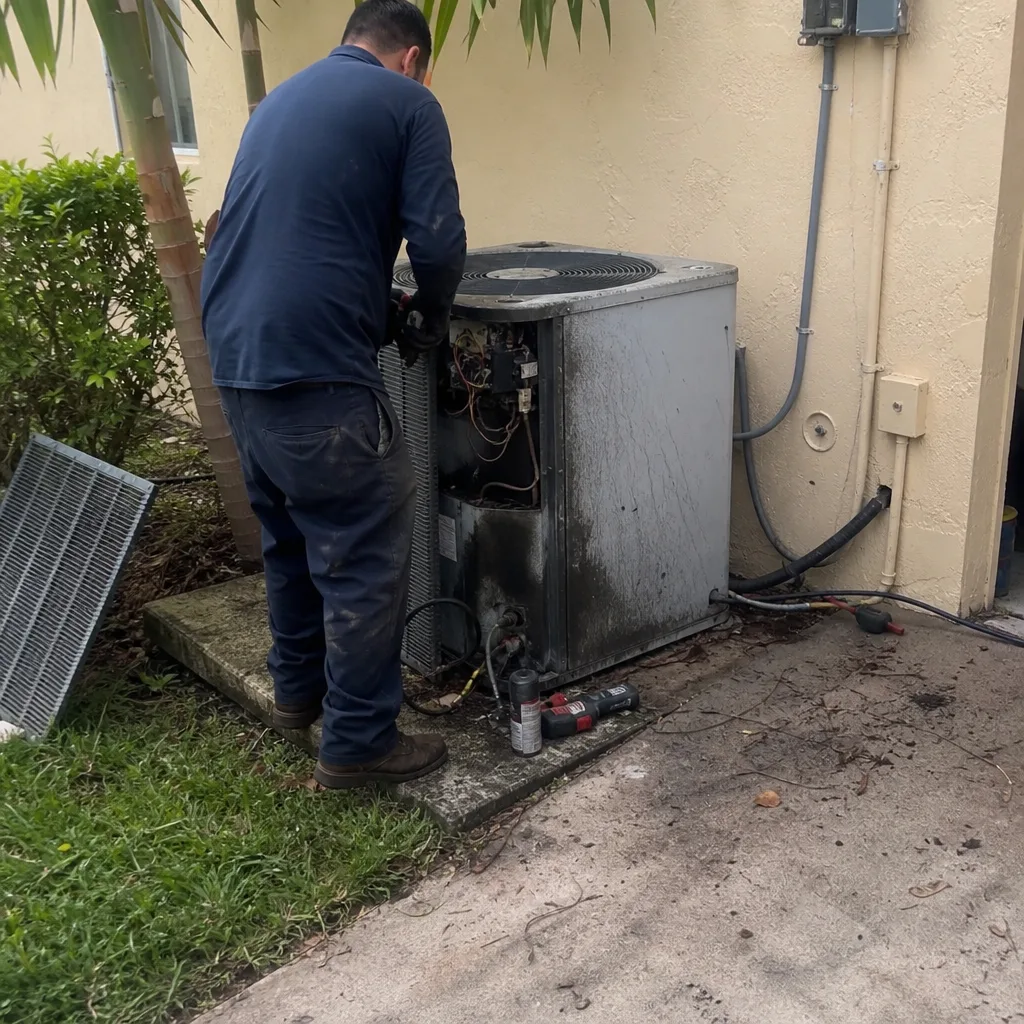 Before
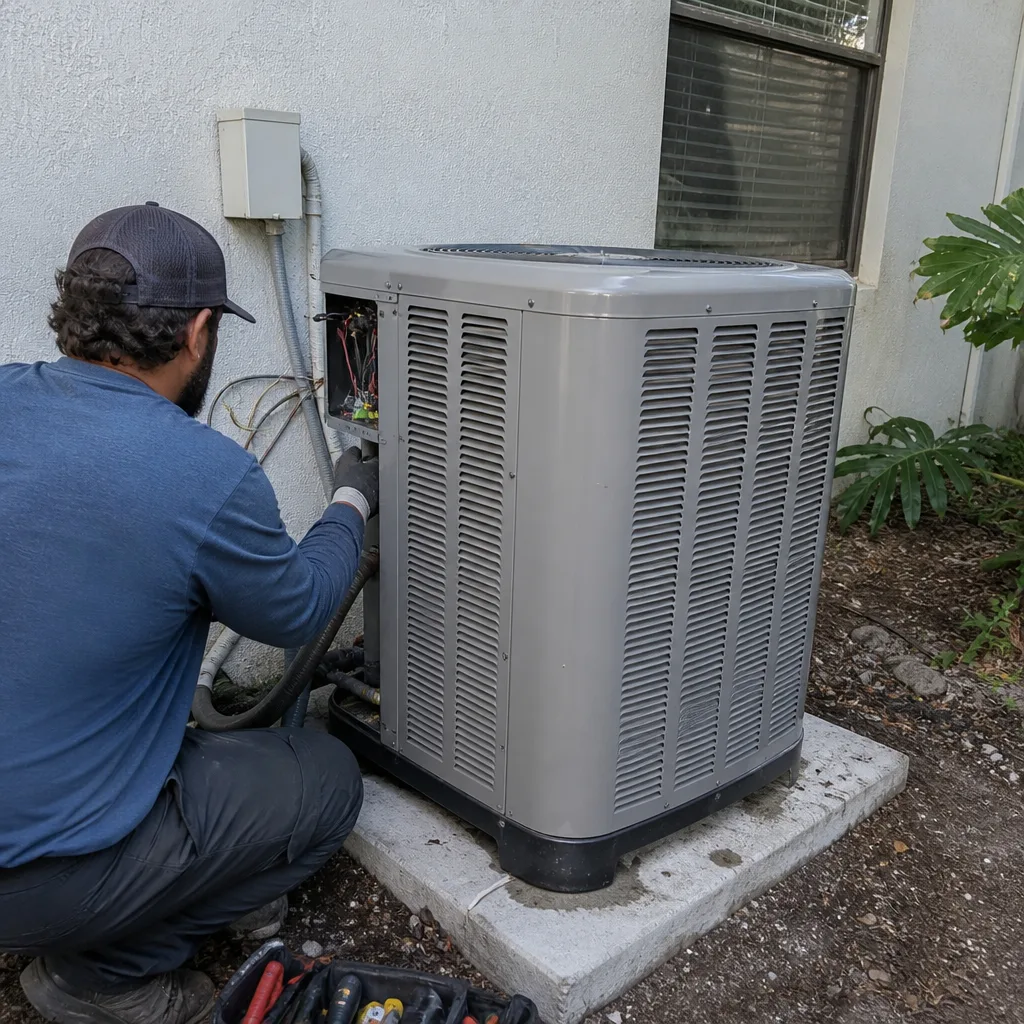 After
After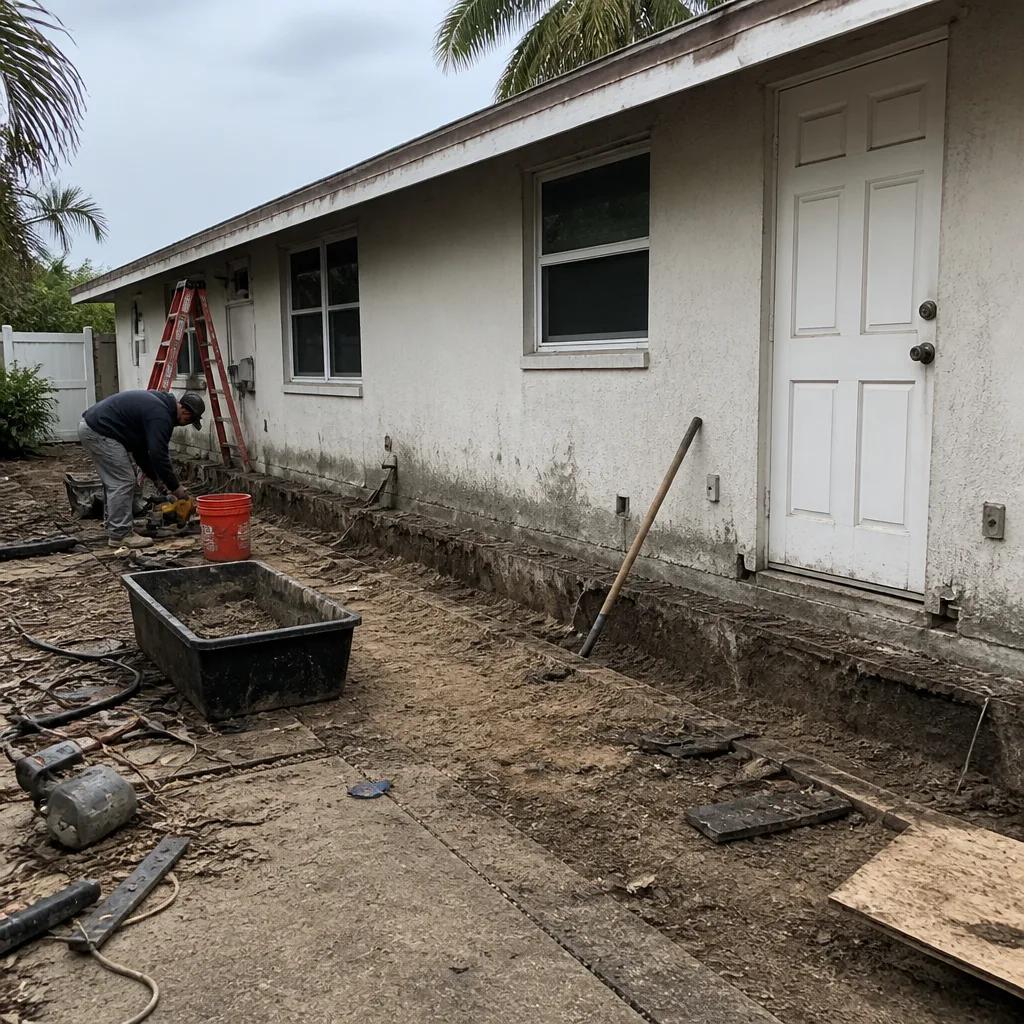 Before
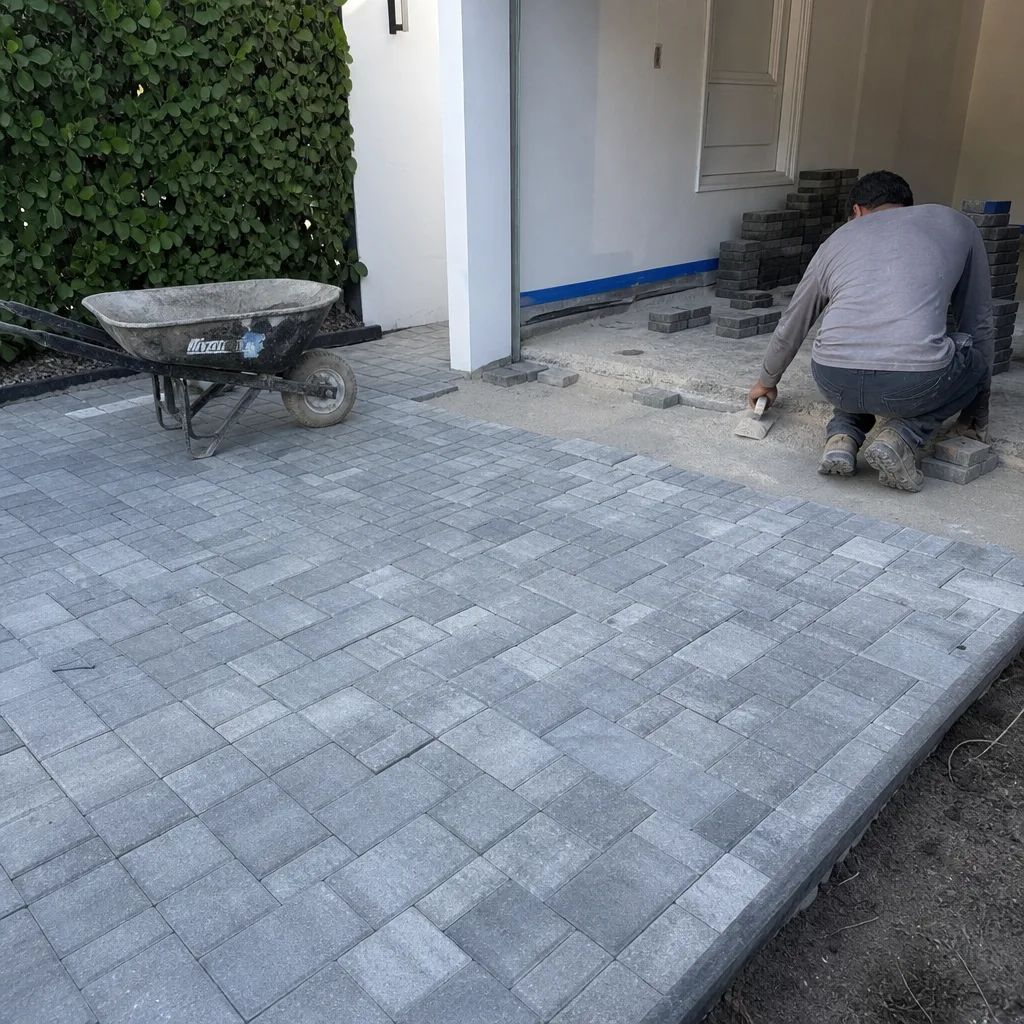 After
After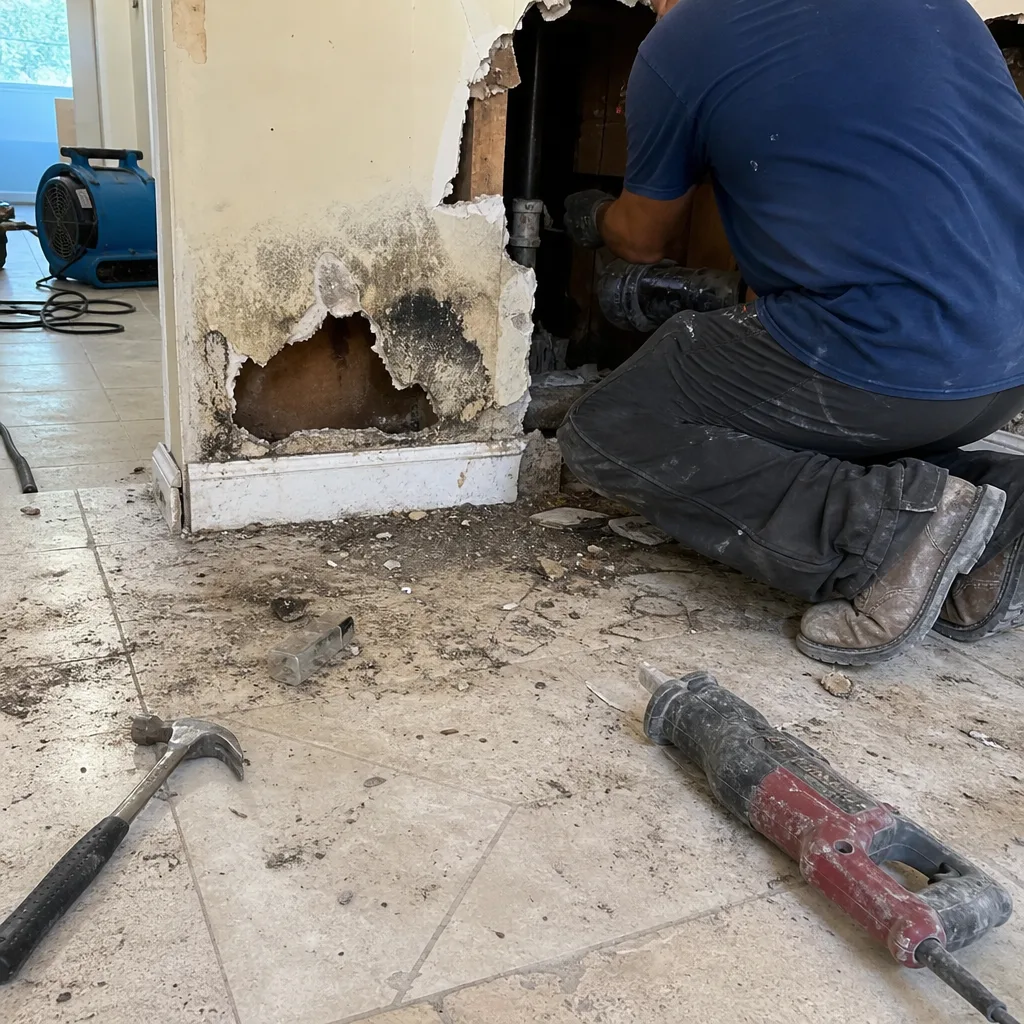 Before
 After
AfterReplacement Cost & What’s Included
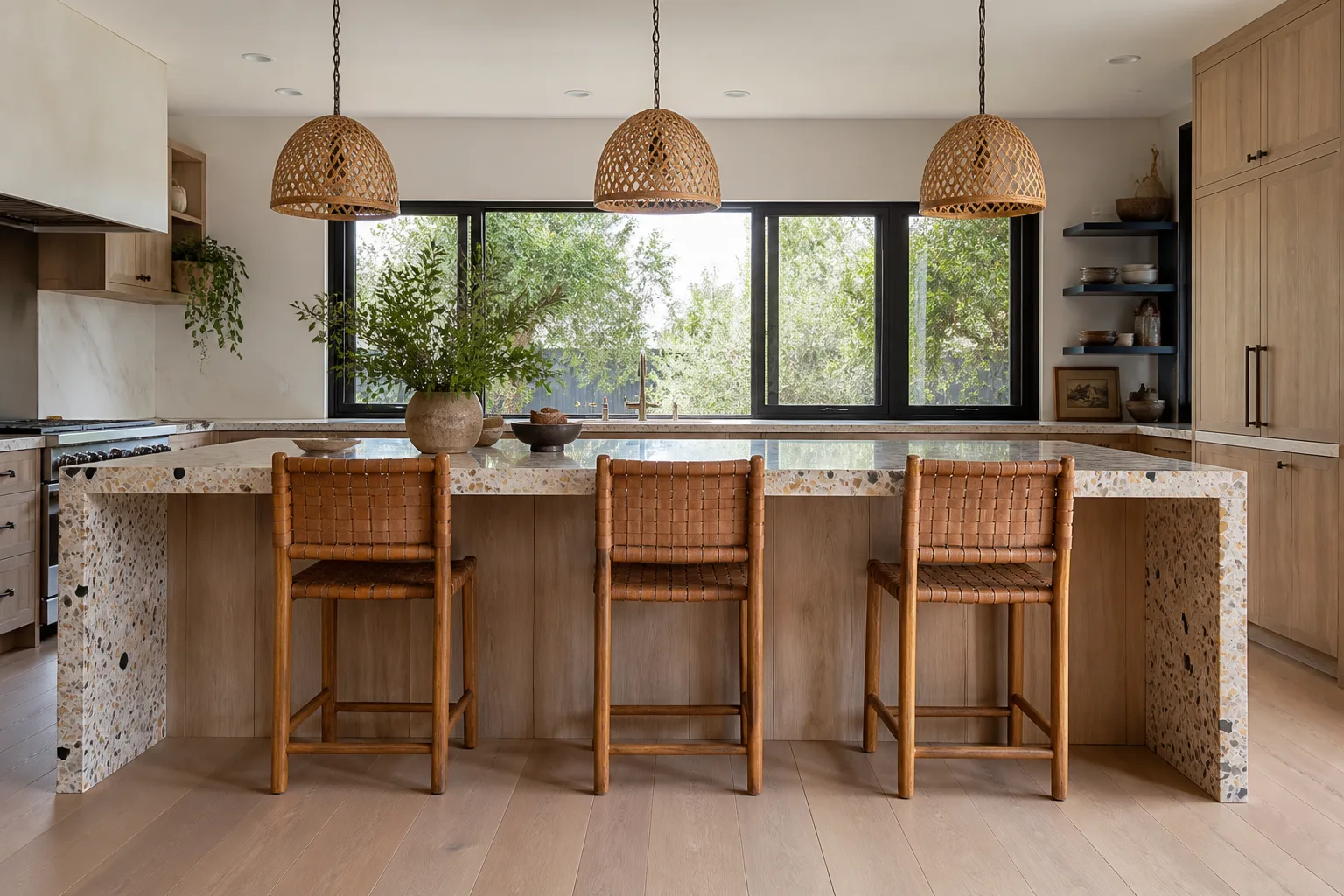
For Fort Lauderdale kitchens, full James Hardie kitchen remodeling projects – meaning substantial HardieBacker removal and replacement, exterior siding work, tile, and the cabinetry and countertop work that usually follows – run $14,000 – $45,000. That’s the complete installed range, not a parts-only number. If the failure is isolated to a section of backsplash HardieBacker and a few square feet of siding, you’re looking at the lower end, sometimes less if we’re only doing a repair rather than a remodel. Here’s how the component pricing breaks down for this market:
| Scope | Typical Installed Price in Fort Lauderdale |
|---|---|
| Kitchen Remodel (full project) | $14,000 – $45,000 |
| Small Kitchen Remodel | $9,000 – $20,000 |
| Backsplash Installation | $800 – $2,500 |
| Countertop Installation | $2,000 – $6,500 |
| Cabinet Installation | $4,000 – $13,000 |
| Kitchen Island Installation | $3,000 – $10,000 |
What drives the range? Square footage of affected board, whether your framing is sound or needs sistering, the type of tile or finish you’re putting back, and whether the exterior siding requires stucco or paint matching after we’re done. We don’t bury these costs. Our written price breaks out parts, labor, and any subcontractor work line by line. That written price is delivered before any work starts – every project, every time, no exceptions. No verbal estimate that grows on the final invoice. We tell you what we found, what it takes to fix it, and what it will cost – before we touch a thing.
Every kitchen project we complete is covered by our 365-Day Done Right Promise: if the work isn’t right within a year of completion, we make it right at no cost to you. That’s 365 days from the completion date, in writing, with terms stated plainly – what’s covered, what’s excluded, and for how long. No fine-print roulette.
DIY or Call Us?
Let’s be straight about what’s safe to check and what isn’t. You can absolutely inspect your own kitchen: look for the signs above, check whether grout is cracking, tap a few tiles, pull the kick plate off the dishwasher cabinet and look for staining. None of that requires a tool or a license. But once you’re talking about pulling tile, cutting out HardieBacker, or opening an exterior wall on a Fort Lauderdale home, DIY gets complicated fast. Fiber cement dust is silica dust – you need a respirator and proper containment, not a dust mask from the hardware store aisle. Cutting exterior siding wrong compromises your home’s water-shedding plane, and a missed flashing detail in Florida’s rainy season becomes a mold problem inside sixty days.
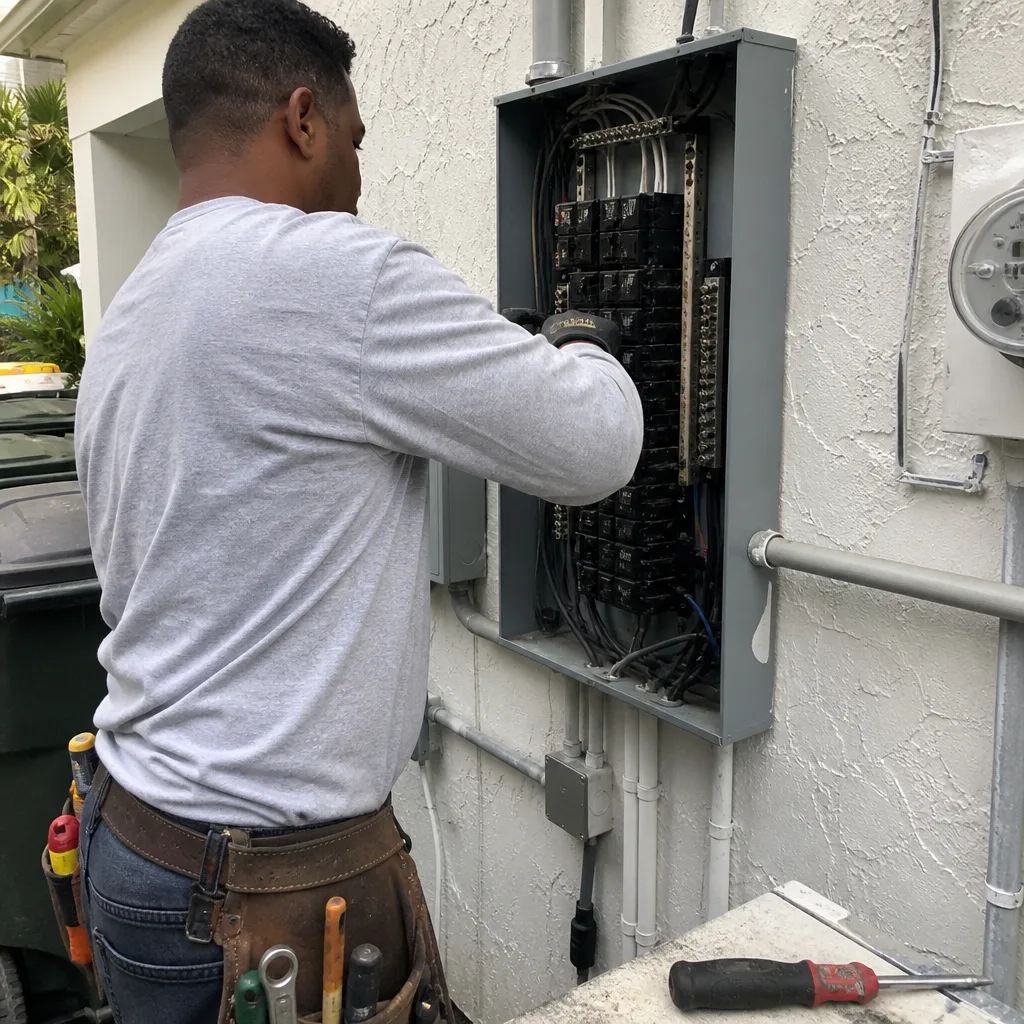
We’ve also been called in after enough DIY attempts to say this without sugarcoating: the hardest part isn’t the board. It’s knowing what’s behind it. If you open up that kitchen wall and find termite-damaged studs, old knob-and-tube wiring, or a plumbing line running exactly where your new cabinet needs to sit, you need someone who’s seen that a hundred times. That’s what Isaac Pruett and our Fort Lauderdale crews do every week. You can call (754) 354-3720 and talk it through with us – no charge for the conversation, and no pressure to book anything.
FAQs
Properly installed HardieBacker in Fort Lauderdale typically lasts 20 – 30 years before it needs real attention, but the installation details matter more than the product itself. Boards installed with full thinset coverage, proper seam taping, and a waterproofing layer over the top can outlast the tile above them. Boards slapped in with gaps at seams or no membrane behind tile can start failing in five years. The board isn’t usually the weak point – the system around it is.
Localized failure can be repaired. If you’ve got one section of board that’s darkened at a seam or a few tiles that have debonded, we can cut out and replace just that section, retape the seams, and re-waterproof properly. But if the board is failing because the framing behind it moved or because there’s been chronic water intrusion, patching it is throwing money at a symptom. We’d rather do a partial repair well than a full replacement someone didn’t need. We’ll tell you which one you have after we open it up.
A localized HardieBacker and tile repair usually takes two to three days including dry time. A full kitchen remodel involving board replacement, siding work, cabinets, countertops, and tile takes anywhere from four to eight weeks in Fort Lauderdale, depending on scope and permit timing. We pull all permits and coordinate inspections ourselves – that’s included in our written price, not added on later. Call (754) 354-3720 and we’ll give you a realistic timeline for your specific kitchen.
We stock common HardieBacker sizes (1/4″ and 1/2″, 3′ x 5′ sheets), fiberglass seam tape, and HardiePlank lap siding on our trucks. For specialized profiles, larger HardiePanel sheets, or specific factory-finished colors, we order directly through our supplier network alongside the other specification-grade materials we use – KraftMaid and Wellborn for cabinetry, Cambria, Silestone, and Caesarstone for surfaces, Kohler and Moen for fixtures. Most parts arrive within days, and we don’t start the clock on your project until materials are on site.
No, not because of anything we control. Our written price is fixed before tools come out, and we honor it. The only thing that changes a number is if we open a wall and find something that was genuinely unknowable from the outside – rotted framing behind the HardieBacker, buried plumbing in the wrong spot, that kind of thing. And if that happens, we stop work, show you what we found, and give you a written change order before we proceed. You decide. We never invoice for work you didn’t approve in writing first.
Call (754) 354-3720 for a free estimate on your James Hardie kitchen repair or remodel in Fort Lauderdale. A live person answers, day or night – no phone trees, no waiting until Monday. We’ll send a background-checked, uniformed technician with a photo ID badge, and you’ll know who’s coming before they ever knock on your door.
Written by Isaac Pruett, Owner, Mason Remodeling Co Fort Lauderdale at Mason Remodeling Co Fort Lauderdale, serving Fort Lauderdale and nearby areas.