Free written scope consultation - allowances, timeline, and change-order rules on paper before a single trade is scheduled
CWS Home Additions & ADU: The Fort Lauderdale Owner’s Guide
Most CWS home addition and ADU failures we see in Fort Lauderdale aren’t the framing or the slab. They’re the connection points: the ledger board where the new structure ties into the existing home, the flashing at the roof intersection, and the foundation transition. A CWS addition or ADU that’s failing typically shows itself through water intrusion at those seams, drywall cracks at the junction wall, or doors that suddenly stick. Here’s what you need to know: a full CWS home addition in Fort Lauderdale runs $45,000 – $130,000 installed, an ADU construction job runs $90,000 – $220,000, and a garage conversion falls between $30,000 – $80,000. We stock the structural connectors, flashing systems, and sealants on our trucks, and we can evaluate what’s failed same week.
We’re Mason Remodeling Co Fort Lauderdale, an independent service provider. We are not affiliated with CWS, but we’ve worked on enough of their additions and ADUs across Fort Lauderdale to know exactly where they fail and what it takes to fix them right.
Which CWS Models This Applies To
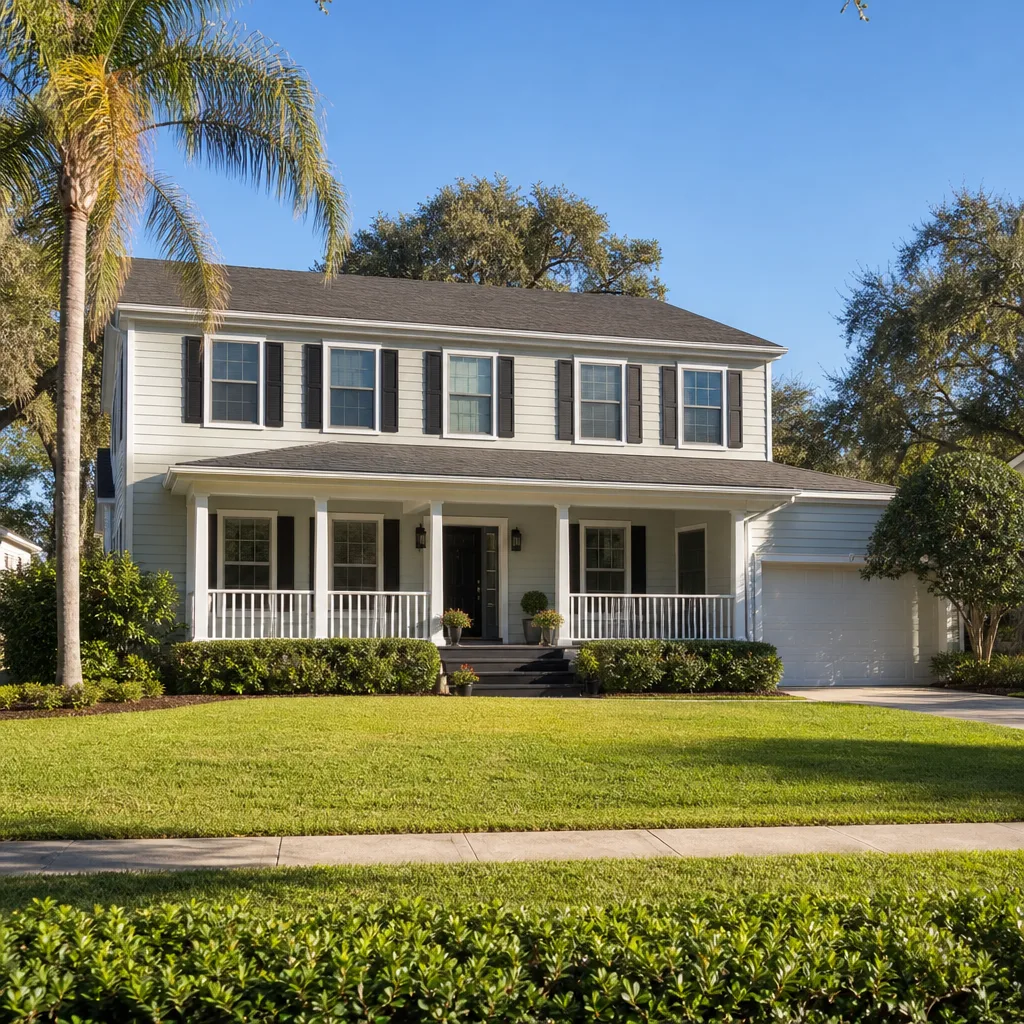
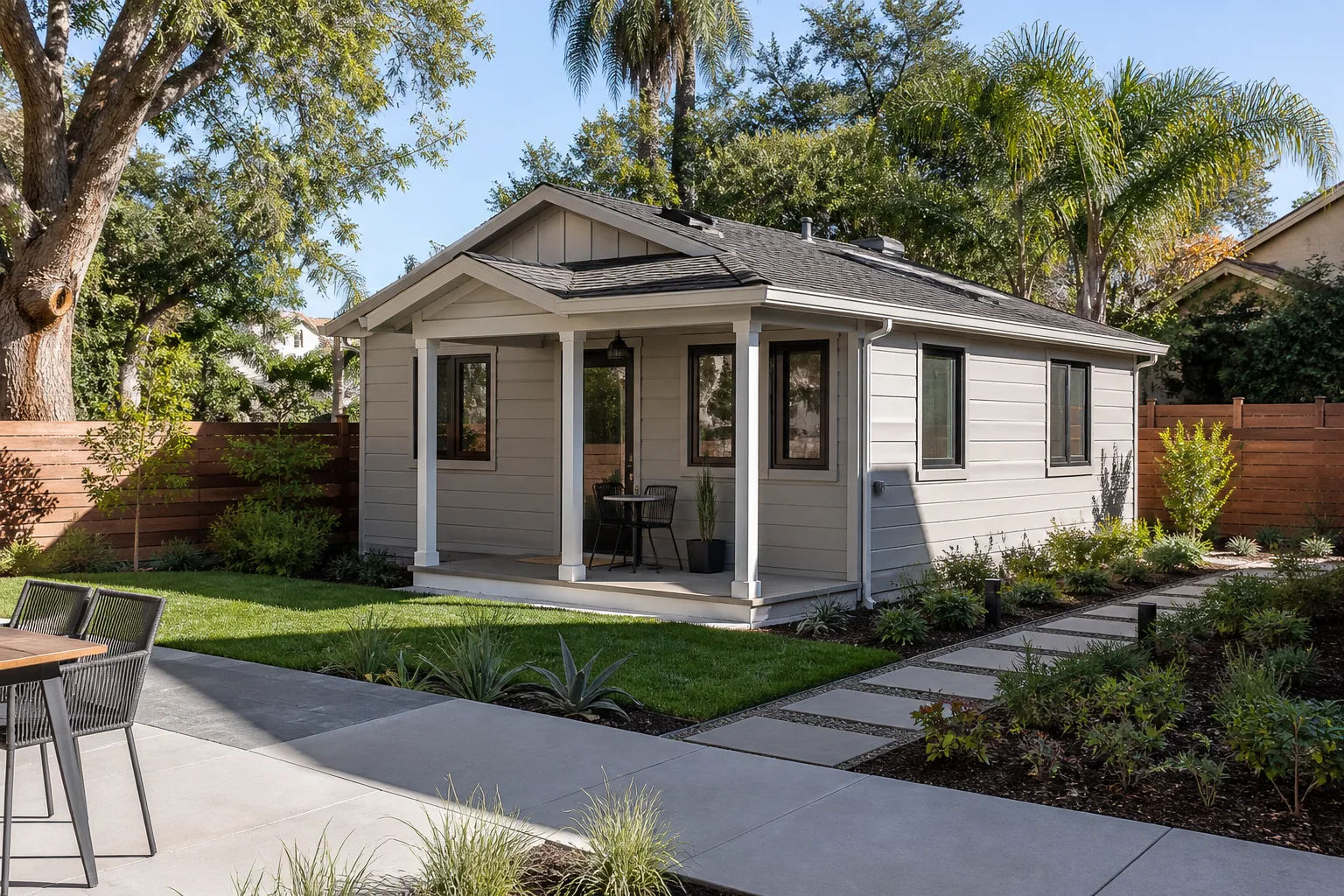
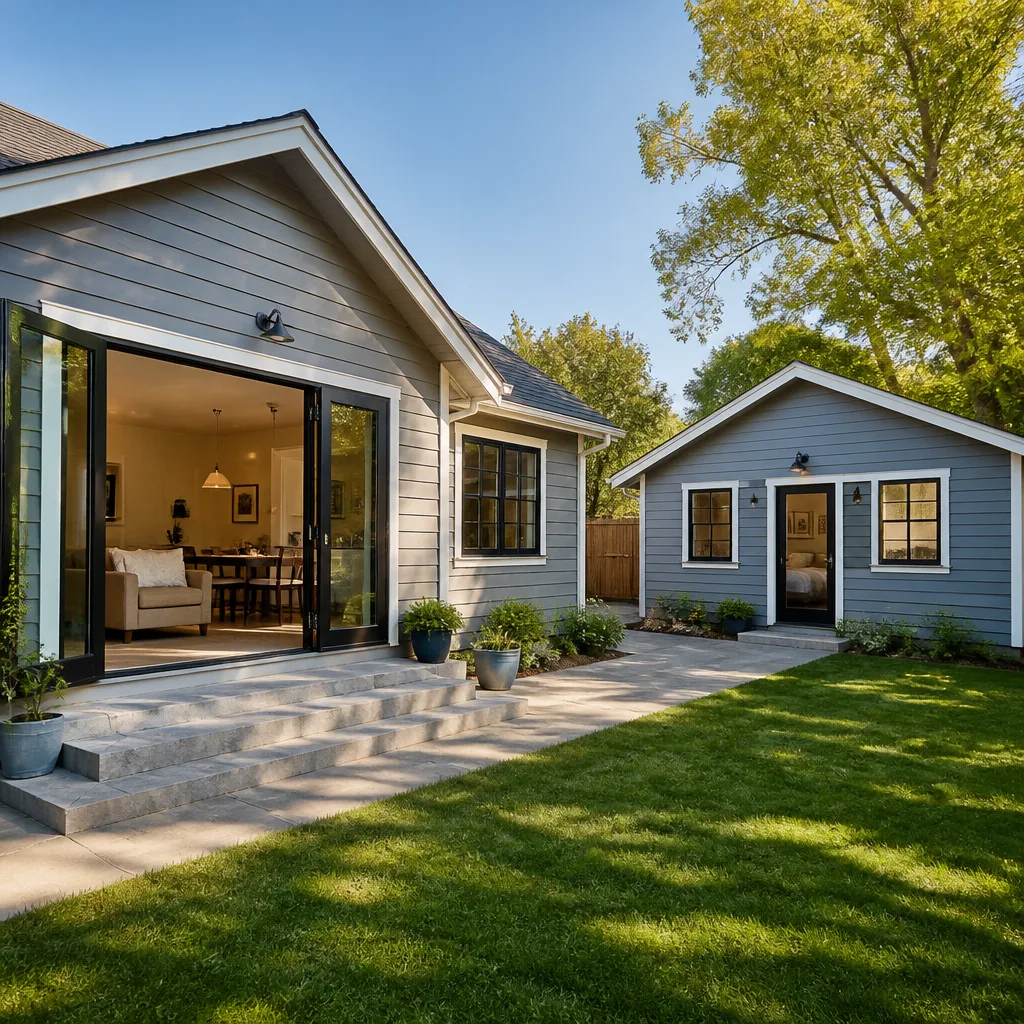
CWS builds additions and ADUs across a few distinct configurations, and the part you need depends on which one you have. The single-story additions (typically 400 – 800 square feet) use a simpler roof tie-in, usually a shed or gable roof that butts against the existing exterior wall. The two-story additions use a different ledger system, and the ADU structures (typically detached, 600 – 1,200 square feet) have their own foundation and utility runs that don’t rely on the main home at all.
Here’s the compatibility gotcha we run into weekly: CWS uses Simpson Strong-Tie connectors and GAF roofing products almost exclusively on their Fort Lauderdale projects. If you’re matching a ledger or a flashing detail, don’t grab a generic off-the-shelf equivalent at a big-box store. The specs matter. The Simpson LUS hangers and the GAF StormGuard underlayment they specify are sized for our wind zone, and a mismatched part is exactly the kind of thing that fails during a summer storm. The good news: we stock both brands on our trucks because they’re the same specification-grade products we use on our own additions and ADUs. When it comes to OEM versus aftermarket, we’re specific here: structural connectors, flashing, and fasteners need to match the original spec. For sealants and caulks, a quality aftermarket product from Sika or OSI will perform as well as what CWS originally used. We’ll tell you which is which before you spend a dollar.
To identify your CWS model, check the permit documents you received at closing. CWS stamps their project number on the first page. If you don’t have the paperwork, measure the width of the addition where it meets the house. Single-story tie-ins are typically 20 – 40 feet wide; two-story additions run wider and have a steel beam at the connection point. That measurement tells us which ledger system we’re dealing with before we even climb a ladder.
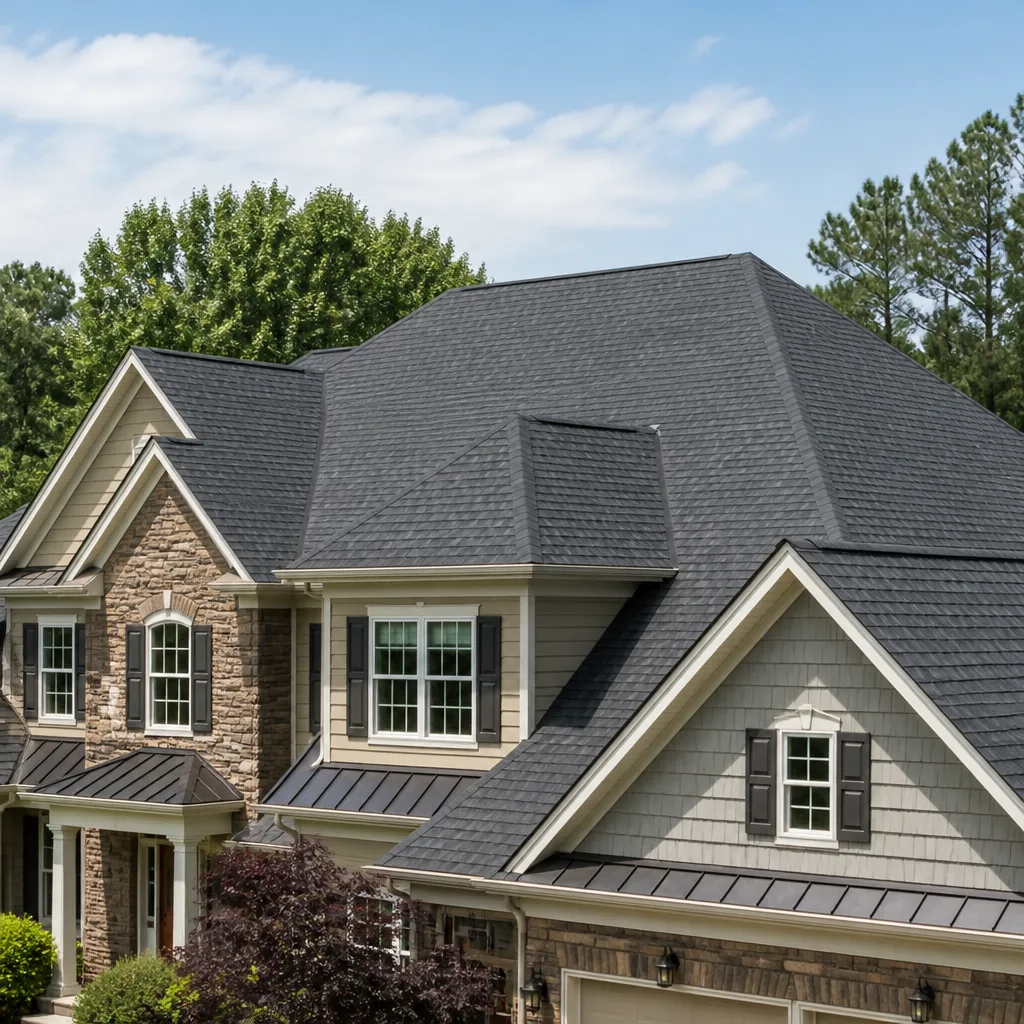
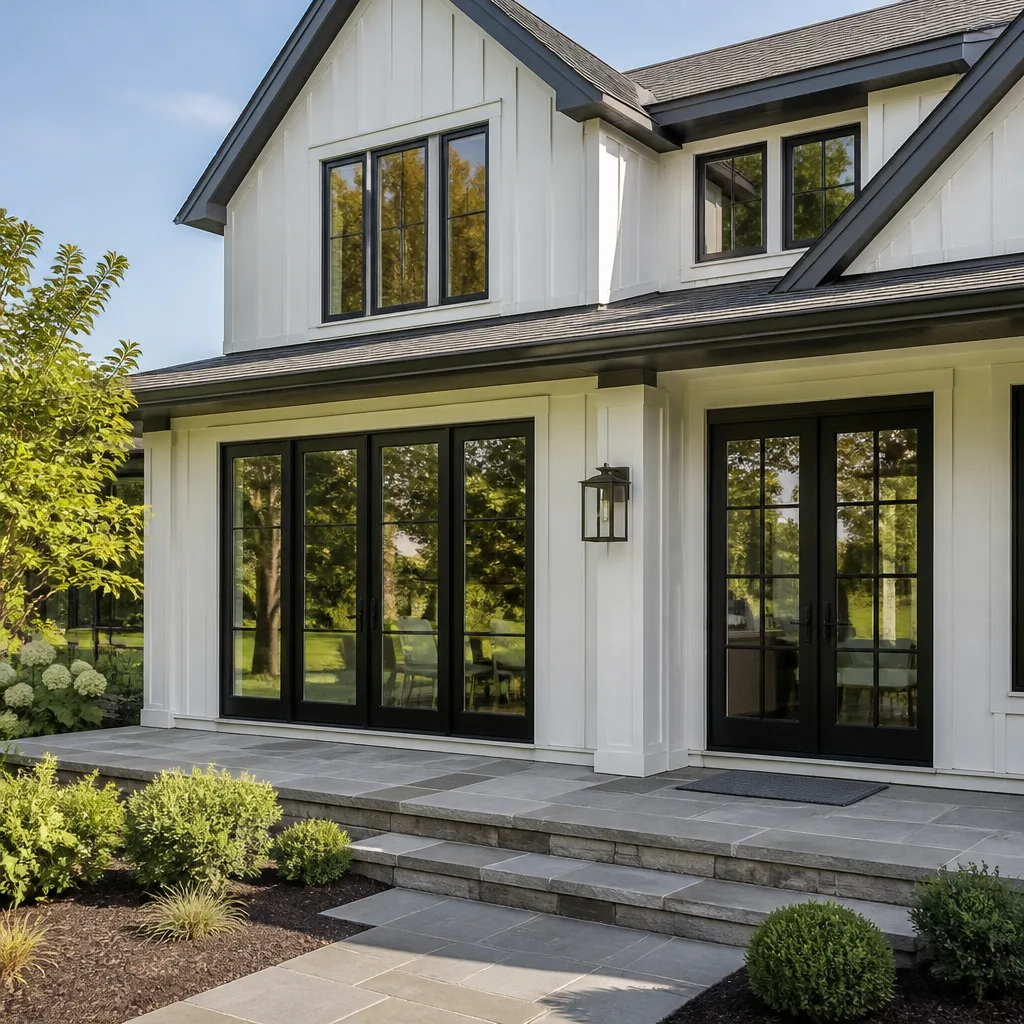
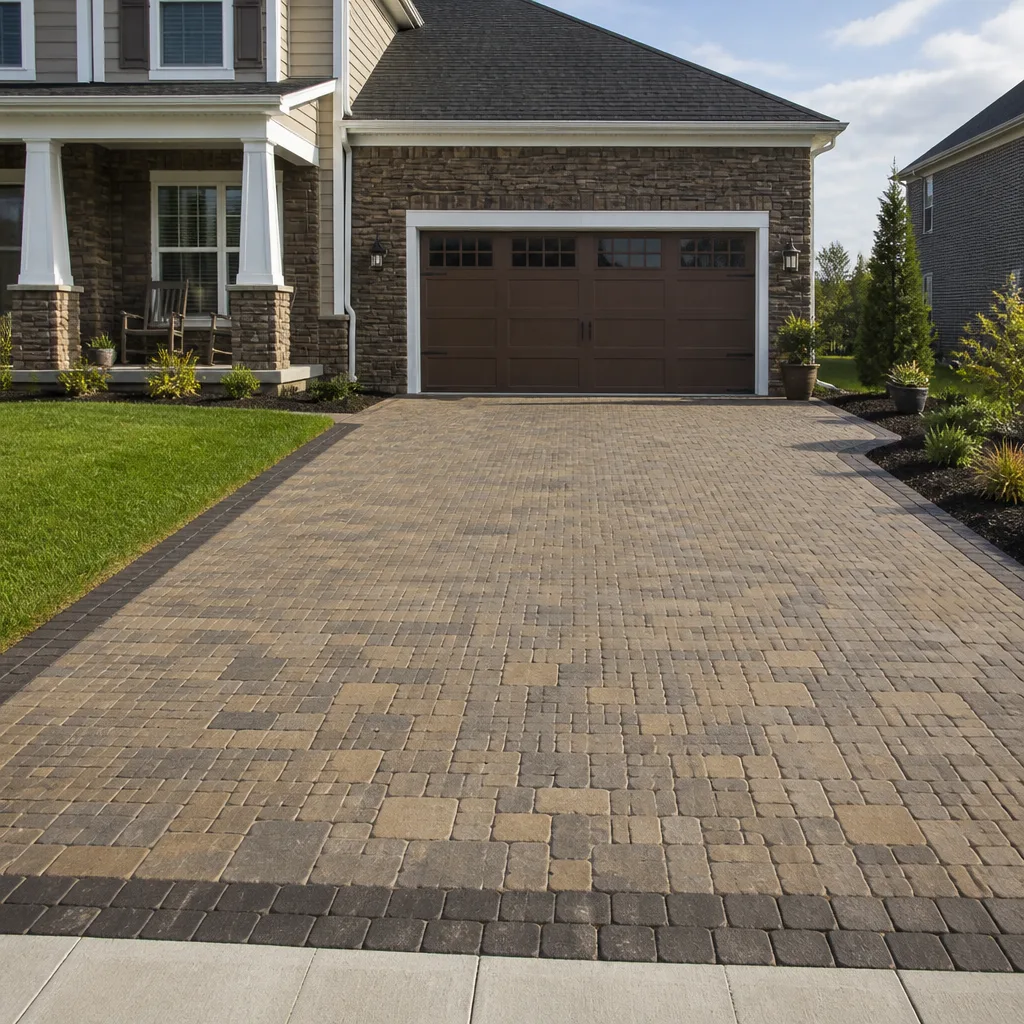
Styles & brands we work with
Signs Your CWS Home Addition or ADU Is Failing
- Water staining at the ceiling where the addition meets the original house. This is almost always a failed flashing detail or a deteriorated sealant joint. In Fort Lauderdale’s rainy season, this shows up within the first two years if the original install wasn’t sealed correctly at the roof intersection.
- Doors that stick or won’t latch in the addition. This usually means the foundation is settling more than expected, or the tie-in wasn’t properly isolated from the main structure. We see this most often in additions built on fill dirt, which is common in Fort Lauderdale’s lower-lying neighborhoods.
- Cracks at the junction wall, especially diagonal cracks that widen over time. That’s movement, not just cosmetic drywall cracking. The addition is shifting independently of the main home, and the connection detail is under stress.
- Visible rust or corrosion on the ledger or steel connectors. In a salt-air environment like Fort Lauderdale, untreated or improper-grade fasteners corrode faster than expected. Once the gusset plates or hangers start showing rust bloom, their load rating drops.
- Mold or mildew smell that won’t go away in the addition. Water is getting in somewhere. In a CWS addition, that’s usually the roof flashing at the tie-in or a window that wasn’t properly flashed against the CWS framing.
Any one of these is worth a call. Two or three at once means the addition’s envelope or structural connection has failed, and the fix isn’t going to be cosmetic.
See the difference
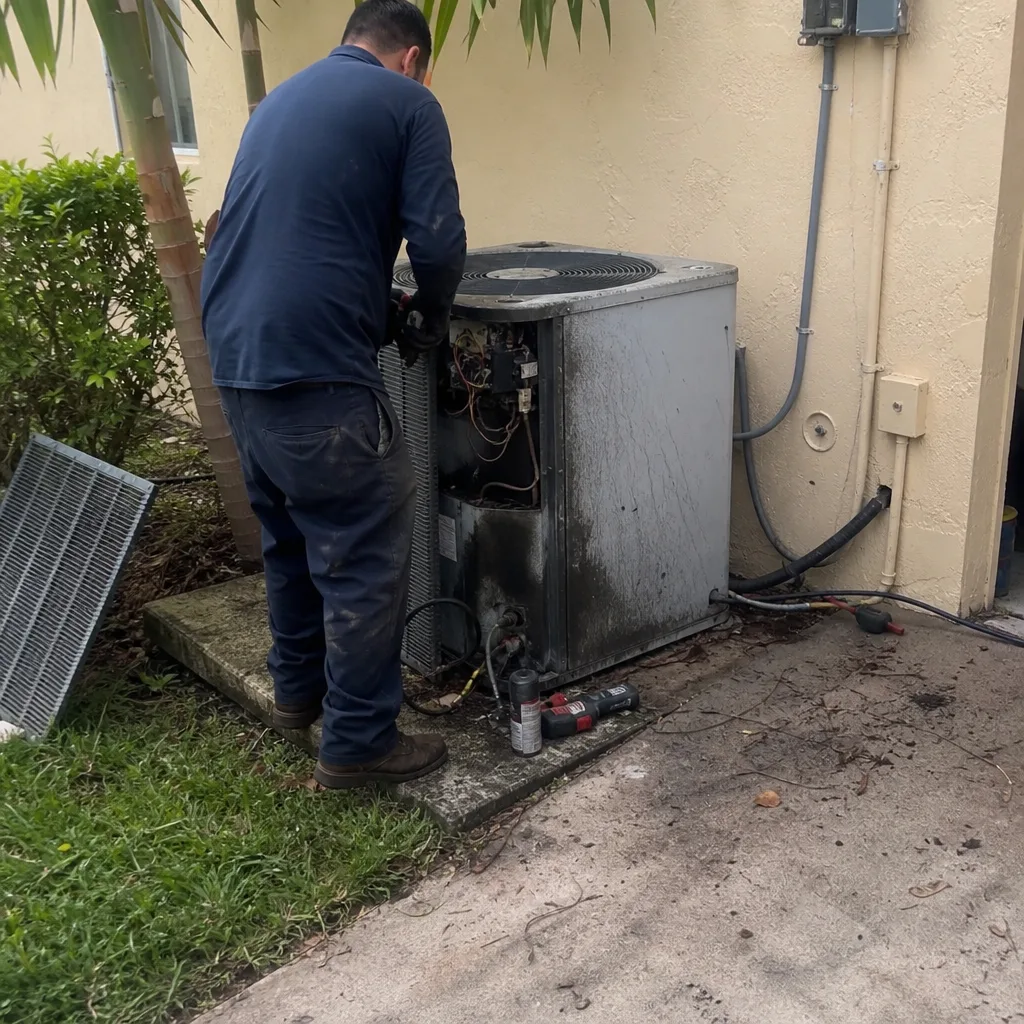 Before
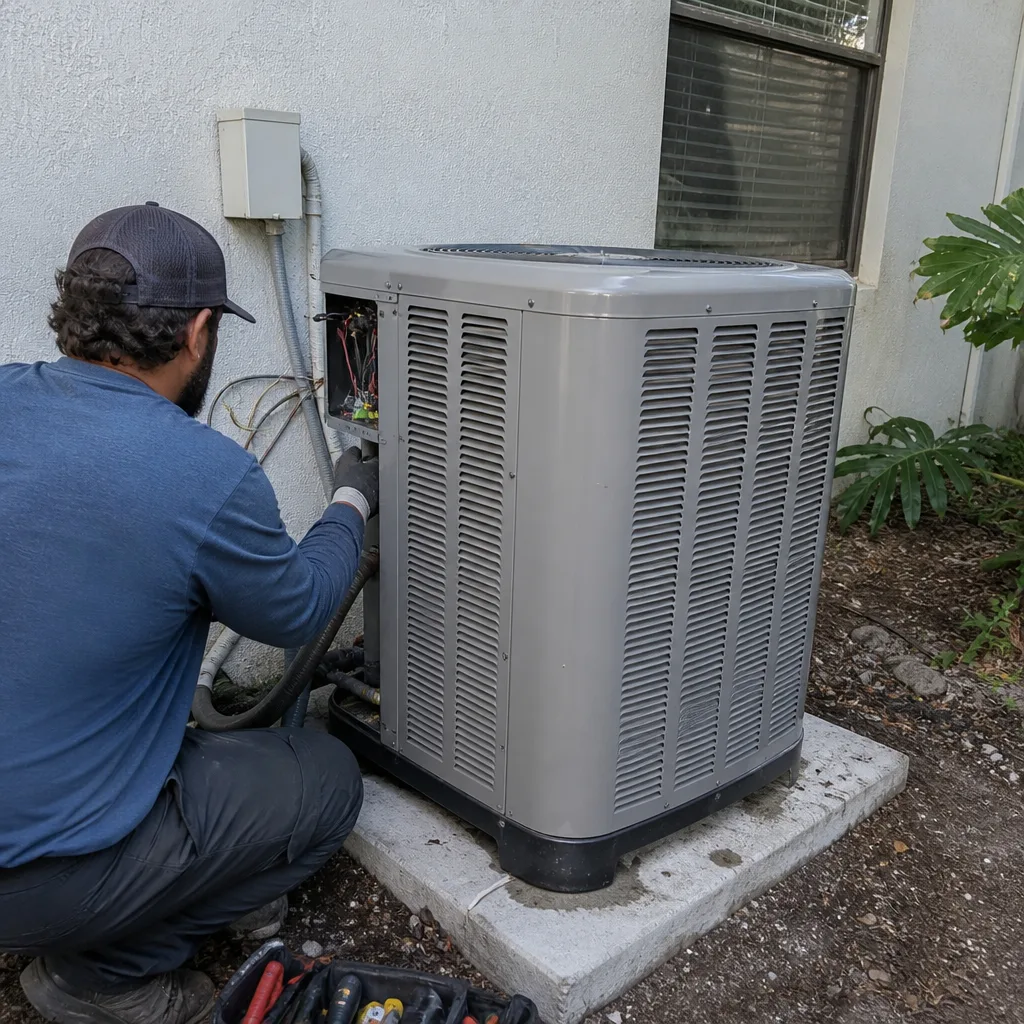 After
After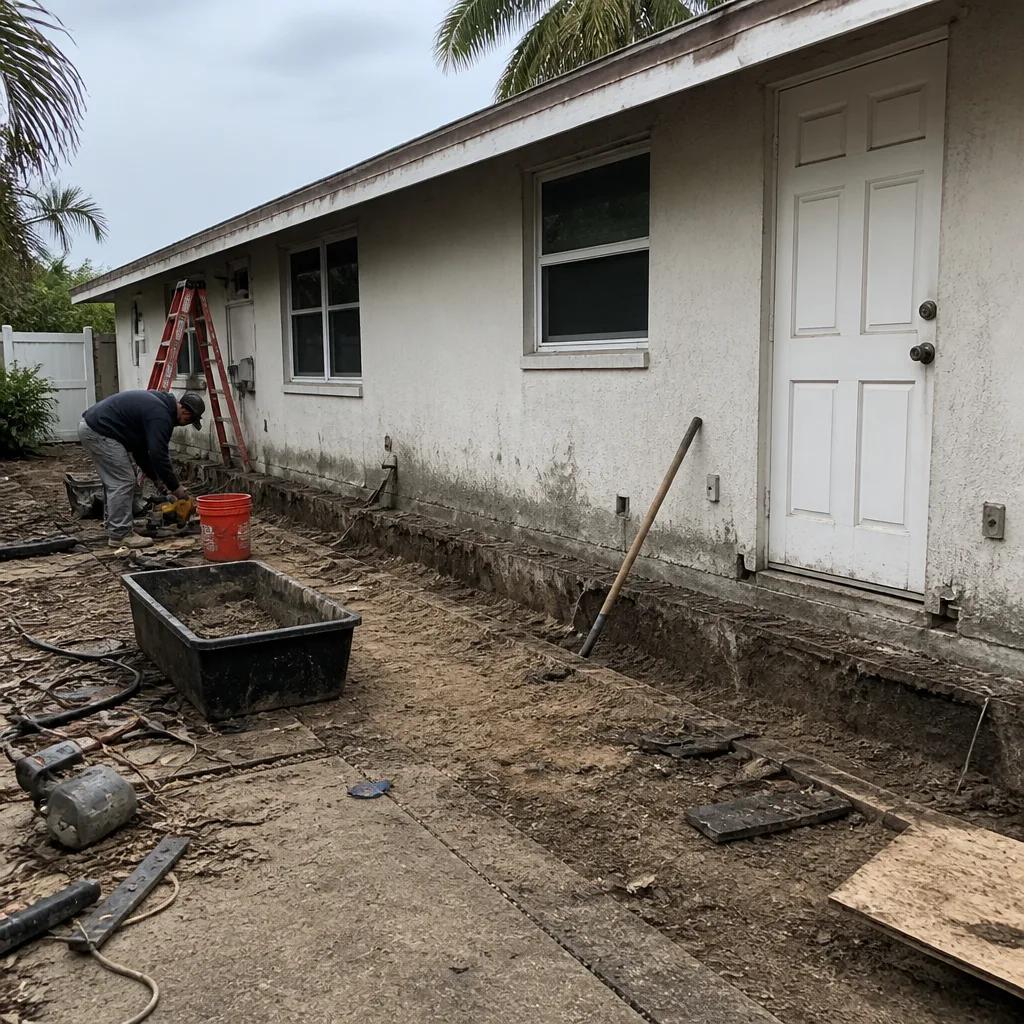 Before
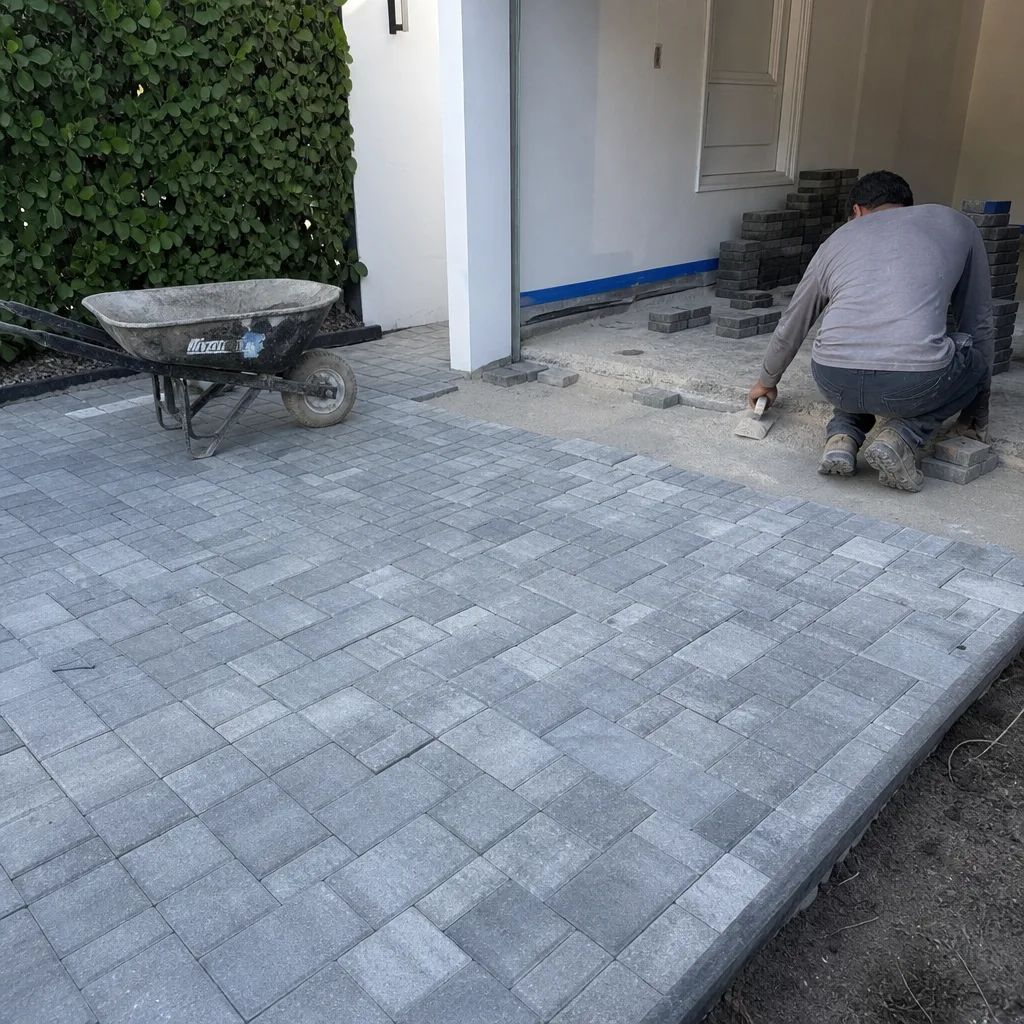 After
After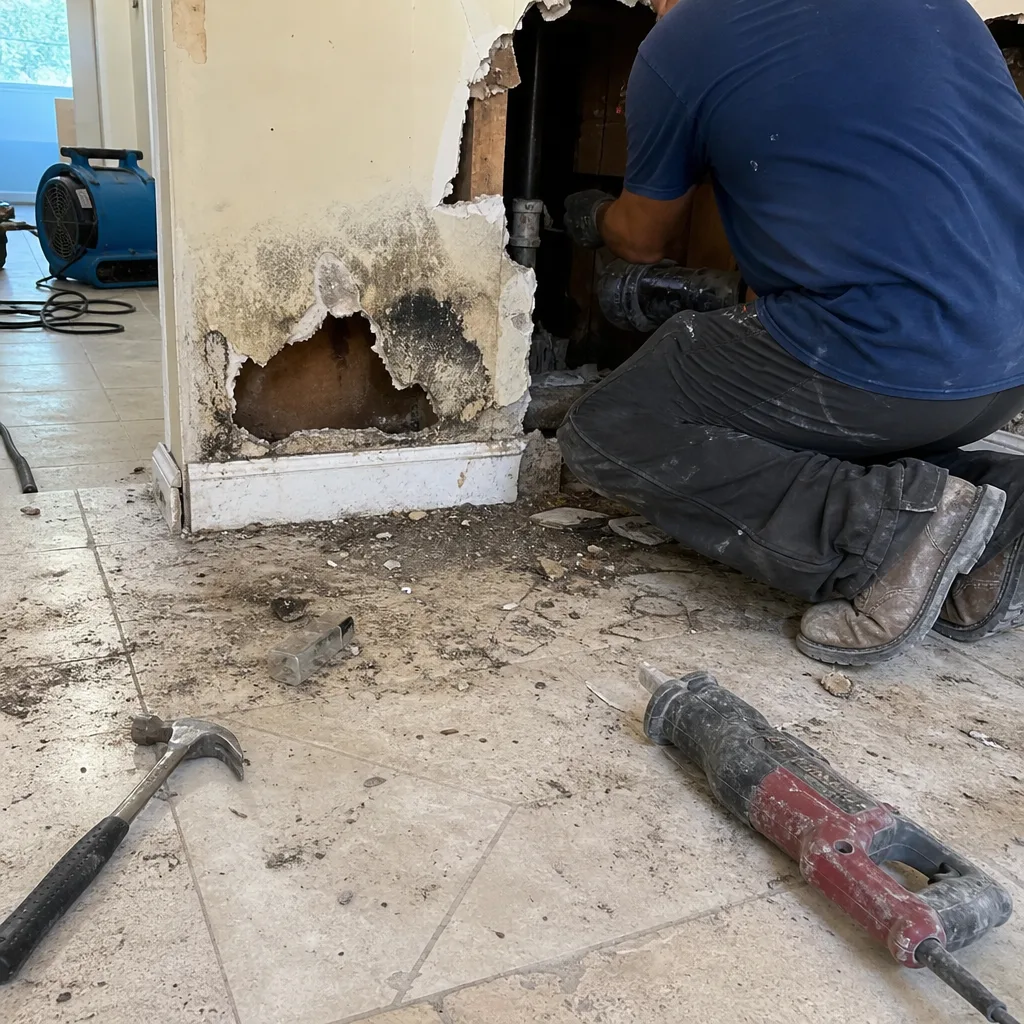 Before
 After
AfterReplacement Cost & What’s Included
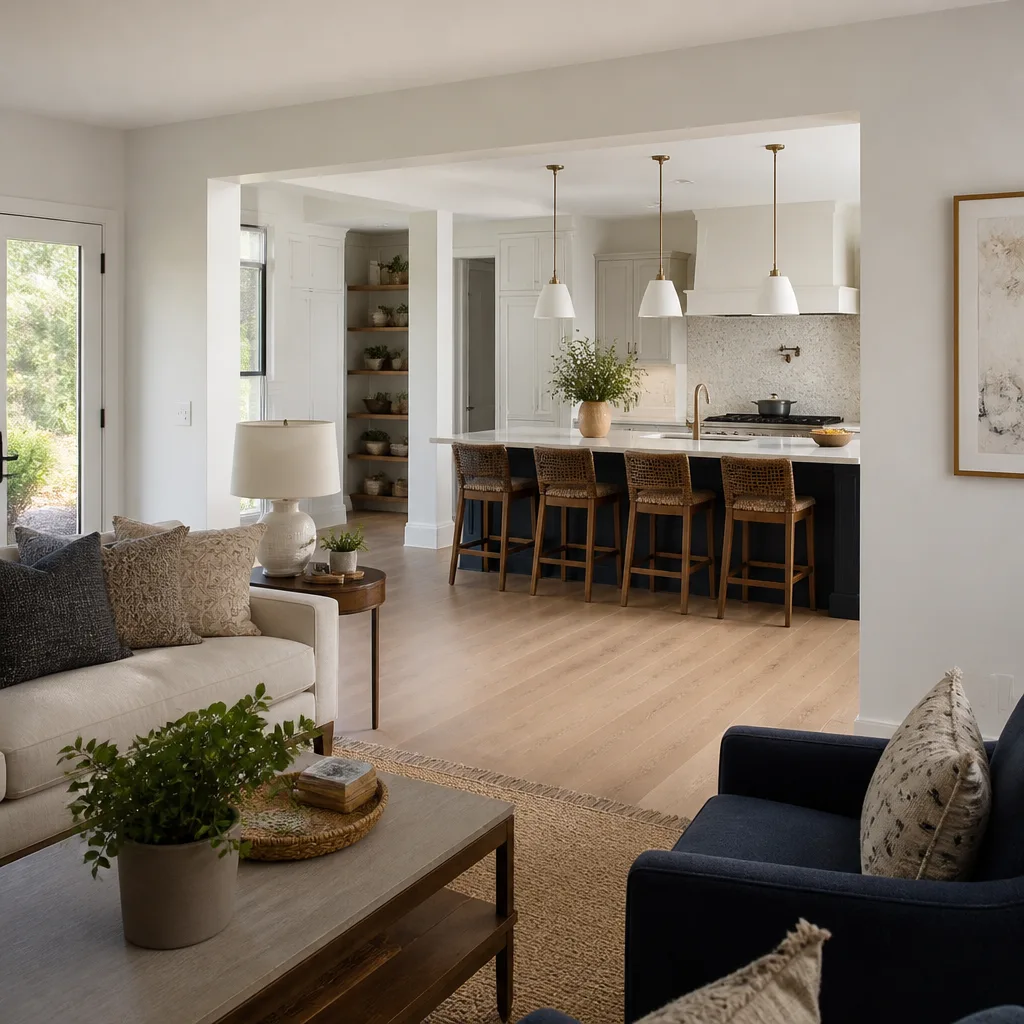
In Fort Lauderdale, fixing a failed CWS addition or ADU connection typically runs $2,500 – $9,800 for a ledger replacement or flashing rebuild, depending on access and how much demolition is required. If the failure is extensive enough that the addition itself needs tearing down and rebuilding, you’re looking at the full replacement ranges: $45,000 – $130,000 for a home addition, $90,000 – $220,000 for an ADU, $30,000 – $80,000 for a garage conversion.
What drives the range is access and condition. A single-story addition where we can reach the ledger from the exterior is the fastest, least expensive fix. A second-story tie-in with rotted framing behind the stucco means scaffolding, demolition, and more hours. If we catch the water intrusion early, you’re usually in the lower end. If water has been running behind the wall for a season, the rot spreads and the price climbs.
Every quote we give includes parts, labor, haul-off, and the written line-item breakdown before we start. We don’t do change orders unless you add scope, and we don’t send a bill that doesn’t match the written price. Our work is covered by our 365-Day Done Right Promise: if it’s not right within a year of completion, we make it right at no cost to you.
DIY or Call Us?
Some things you can check yourself. Walk the exterior and look for visible gaps in the caulk or sealant where the addition meets the house. Check for rust on exposed fasteners. Look at the interior drywall at the junction for fresh cracks. Those observations help us diagnose the problem faster when you call.
What you shouldn’t do is get on a ladder and start pulling flashing off a roof tie-in, or cut into drywall to see what’s behind it. The structural connection between an addition and the main home is load-bearing. If you remove the wrong fastener or cut the wrong stud, you’re weakening the structure of your home. And if the addition’s electrical feeders run through that junction wall, which they often do, you’re cutting blind. We’ve seen homeowner repairs turn a $4,000 flashing job into a $15,000 structural repair. If you’re not sure, call (754) 354-3720 and describe what you’re seeing. We’ll tell you what we found, what it takes to fix it, and what it will cost – before we touch a thing.
As for parts, the same logic applies. The Simpson hangers and GAF flashing we use are available to the public, but matching the spec, cutting to the correct length, and getting the fasteners right is where things go sideways. We stock what’s needed on our trucks and install it to the original engineering.
FAQs
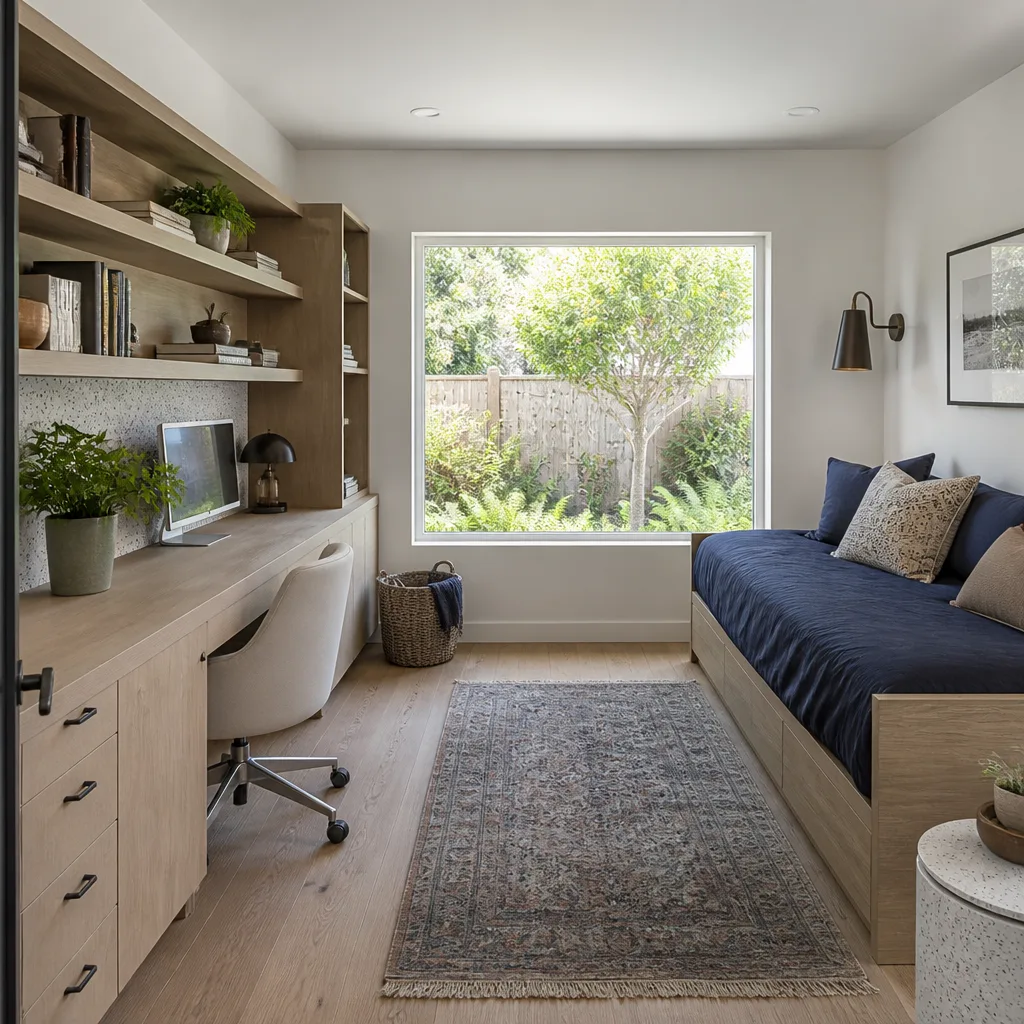
A properly built CWS addition or ADU should last 40 – 60 years before major structural work, but the connection details, flashing, and sealants typically need attention every 8 – 12 years in Fort Lauderdale’s heat and humidity. Salt air accelerates corrosion on fasteners, so we recommend an inspection of the tie-in junctions every five years. Call (754) 354-3720 to schedule one.
Yes, in most cases. If the failure is caught before water has compromised the framing, we repair the flashing, replace the corroded connectors, and reseal the junction. Replacement is only necessary when the structural framing behind the connection has rotted or the foundation has failed. We’ll give you an honest read on which path makes sense for your situation.
A flashing rebuild or ledger replacement typically takes 2 – 4 working days. A full addition or ADU replacement takes 8 – 16 weeks depending on scope and permitting in Fort Lauderdale. We’ll give you a written timeline with your written price, and we’ll keep you updated as the work progresses.
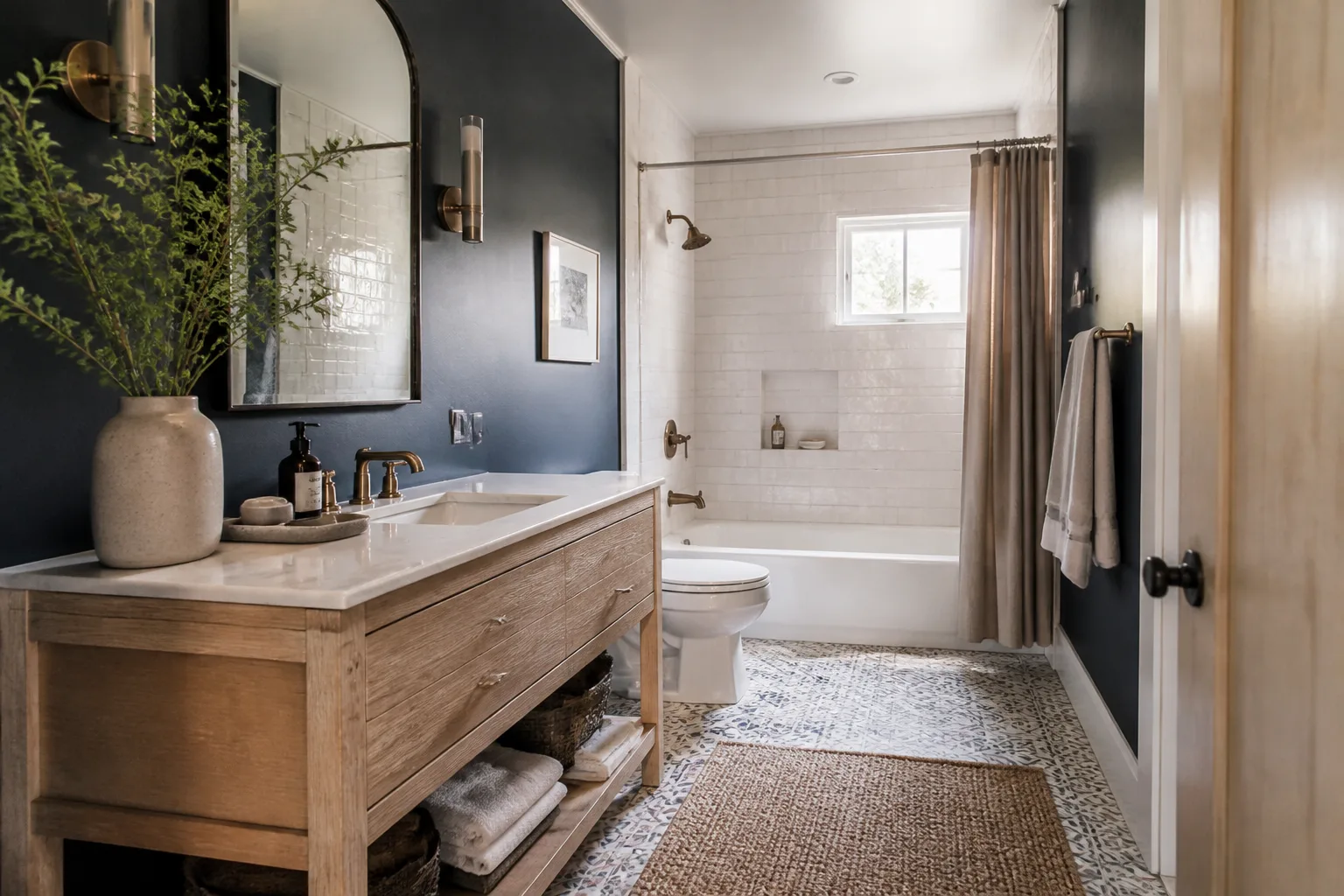
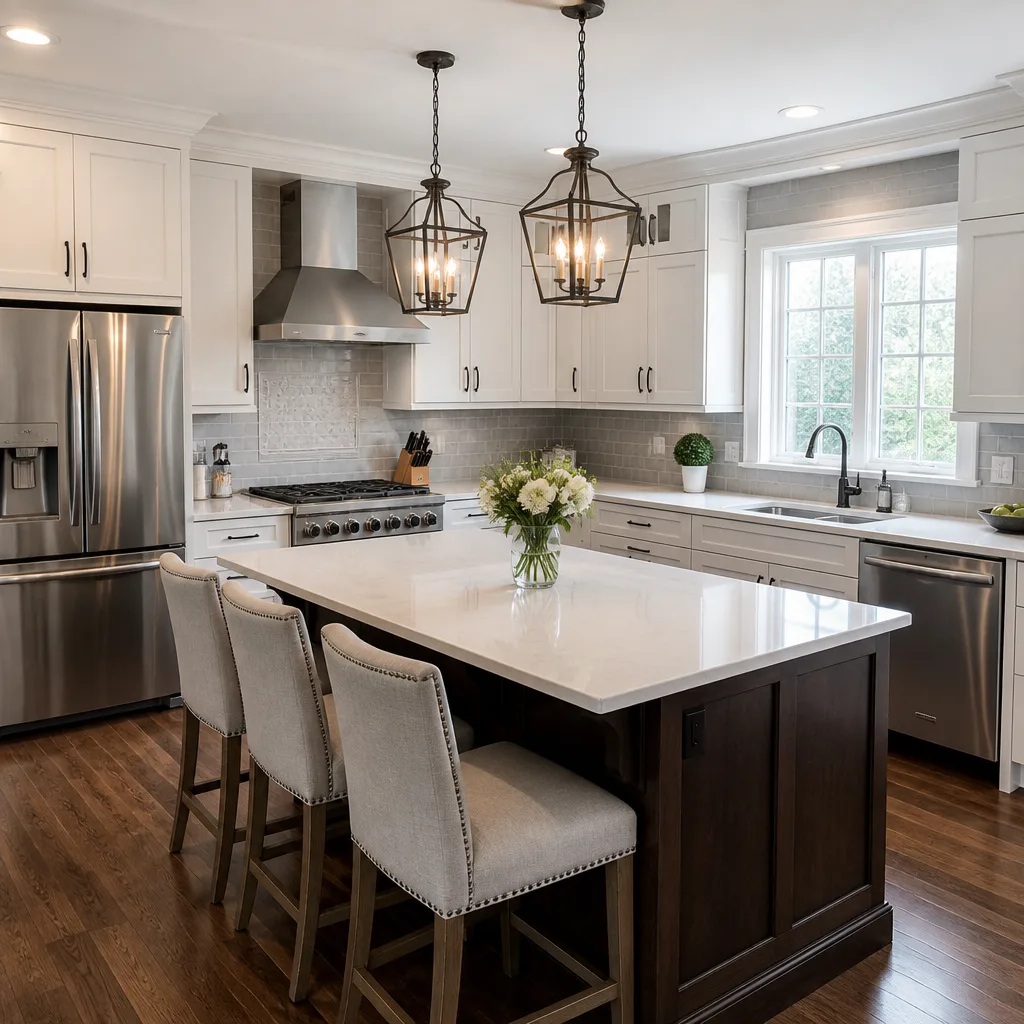
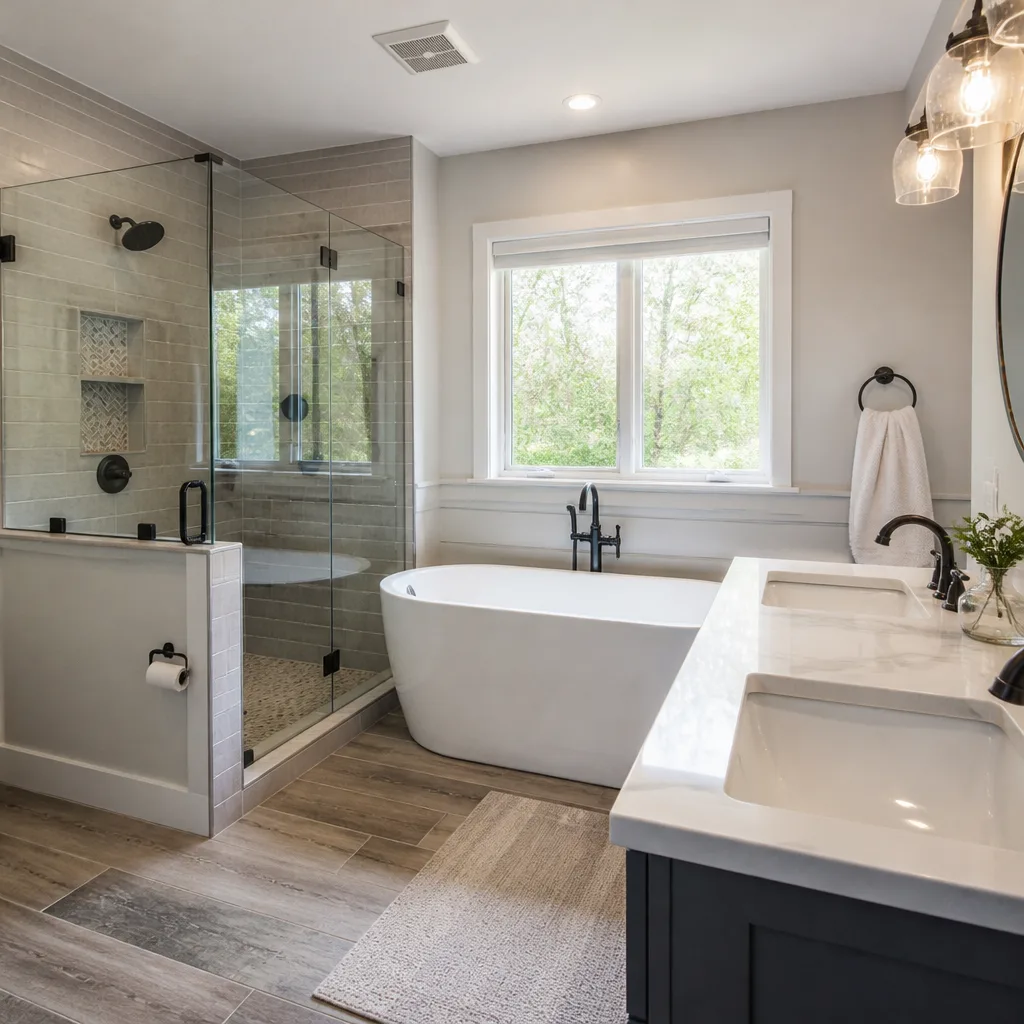
Yes. We stock Simpson Strong-Tie structural connectors, GAF flashing and underlayment, and Sika and OSI sealants on our trucks specifically for CWS addition and ADU repairs in Fort Lauderdale. We also work with KraftMaid, Cambria, and Silestone for finish materials if your addition includes kitchen or bath space. That means we can usually start the repair the same week we diagnose the problem.
If you have a CWS home addition or ADU in Fort Lauderdale that’s showing signs of trouble, call (754) 354-3720. We’ll send a background-checked, uniformed technician with a photo ID badge, put the price in writing before we start, and back the work for a full year. Free estimates, no surprises, and a live person answers the phone every time.
Written by Isaac Pruett, Owner, Mason Remodeling Co Fort Lauderdale at Mason Remodeling Co Fort Lauderdale, serving Fort Lauderdale and nearby areas.