Free written scope consultation - allowances, timeline, and change-order rules on paper before a single trade is scheduled
Cambridge Pavers Home Additions & ADU: The Fort Lauderdale Owner’s Guide
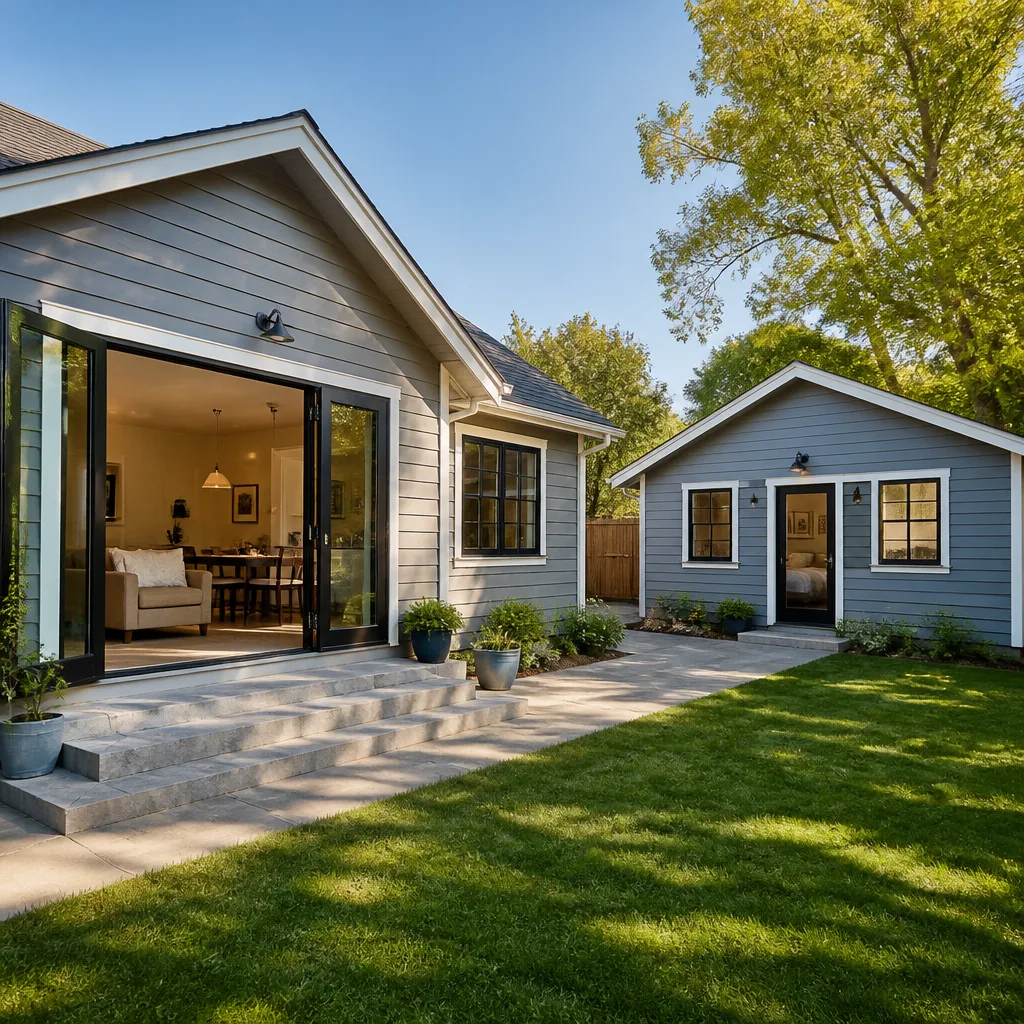
Cambridge Pavers home additions and ADU construction in Fort Lauderdale typically costs between $45,000 and $130,000 for the addition itself, with attached ADUs running $90,000 to $220,000 depending on size, foundation type, and whether you’re matching existing paver hardscaping. We install and build additions that tie into Cambridge paver patios, walkways, and pool decks daily, and we stock the matching paver lines on our truck for seamless transitions. Most homeowners discover a paver-related failure during an addition project when the existing hardscape settles, shifts, or no longer lines up with the new roofline and drainage paths.
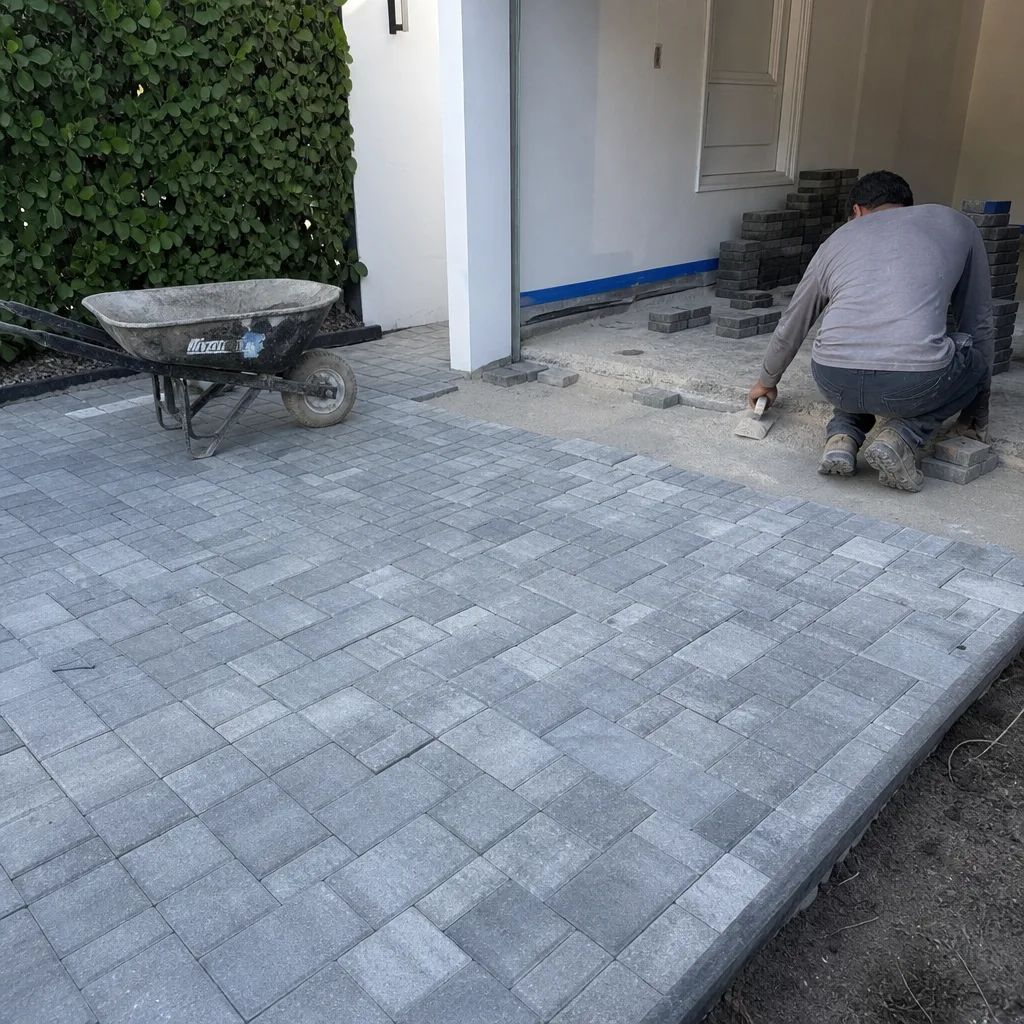
Here’s what usually happens: you’ve got a Cambridge paver patio or walkway that’s been down for six or eight years, and the new addition changes how water moves across your property. Water that used to sheet toward the street now pools against the new foundation, or the soil under the pavers compacts differently because the addition altered the grade. The pavers start to sink, separate, or hold water. Sometimes it’s discovered during excavation when we find the original paver base was never compacted properly. Either way, the fix involves more than swapping a few stones. It’s a re-grade, a re-base, and a re-lay, done so the addition and the existing hardscape look like they were installed the same week.
We’re an independent service provider, not affiliated with Cambridge Pavers. What that means for you is we’ll tell you straight what’s worth matching, what’s worth replacing, and what’s worth leaving alone. Isaac Pruett has been running additions and remodel projects in Fort Lauderdale neighborhoods like Victoria Park for the better part of two decades, and he’s seen every way a paver base can fail once new construction changes the water flow. We tell you what we found, what it takes to fix it, and what it will cost, before we touch a thing.
Which Cambridge Pavers Models This Applies To
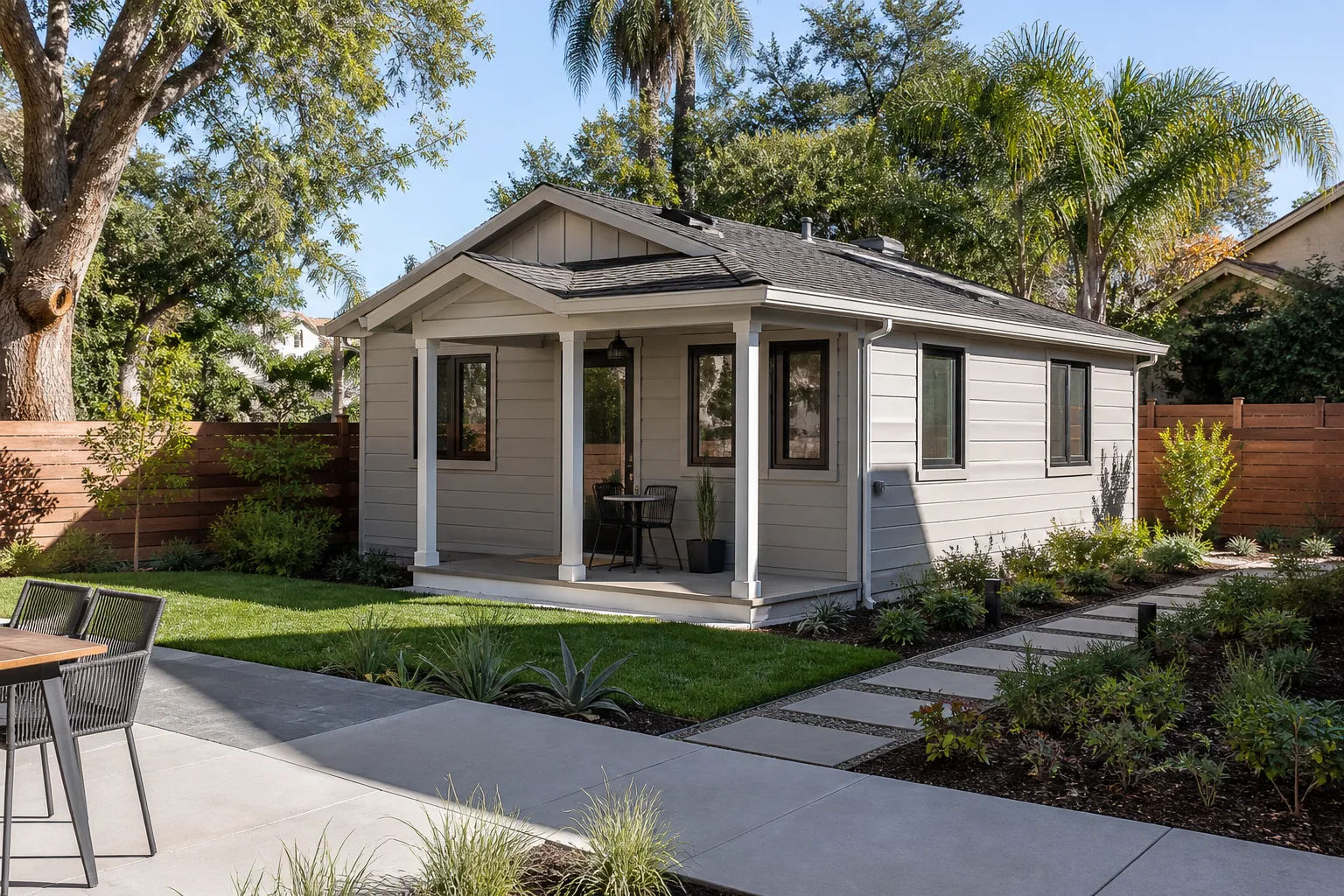
Cambridge manufactures paver lines in multiple series, and the compatibility picture for additions and ADUs comes down to three things: paver thickness, color blend, and age of the original installation. The most common lines we work with in Fort Lauderdale are the Ledgestone, Roundtable, and Bullnose series, along with Cambridge’s permeable paver options that are increasingly common in flood-prone parts of the city. The Ledgestone line is a 60mm paver with a tumbled edge, the Roundtable runs 60mm with a rounded profile, and the Bullnose is used as a step or pool-coping edge.
Here’s the compatibility gotcha most homeowners don’t see coming: Cambridge retires color blends. A homeowner with a 12-year-old patio may have a blend that Cambridge stopped producing five years ago. We can’t match a discontinued blend exactly, and nobody else can either, no matter what their website says. What we can do is pull from the current Cambridge catalog and find the closest active blend, then lay the transition lines where the eye naturally travels, such as where a walkway meets a landing, so the difference reads as intentional. We also carry aftermarket equivalents for common Cambridge profiles when a full match isn’t possible or when the homeowner wants to drop the cost by 15 to 20 percent.
To identify what you have, flip a paver and look for the Cambridge stamp on the bottom, then measure the thickness with a tape. 60mm is the workhorse residential thickness. 80mm is what Cambridge specifies for driveways and heavier loads. If your existing pavers are 60mm and your addition will add a second driveway access point, you need 80mm in the new section, not a 60mm match. That’s the kind of spec detail that matters when the paver truck shows up.
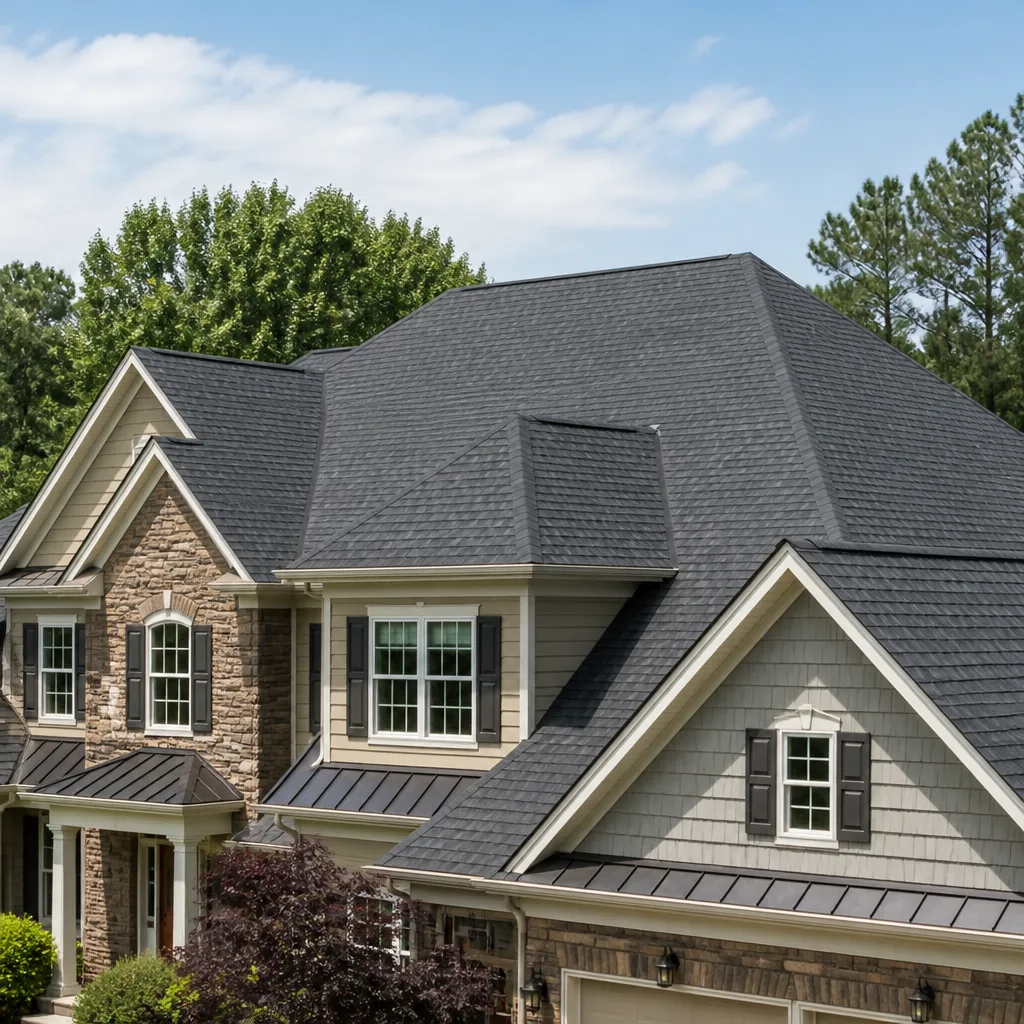
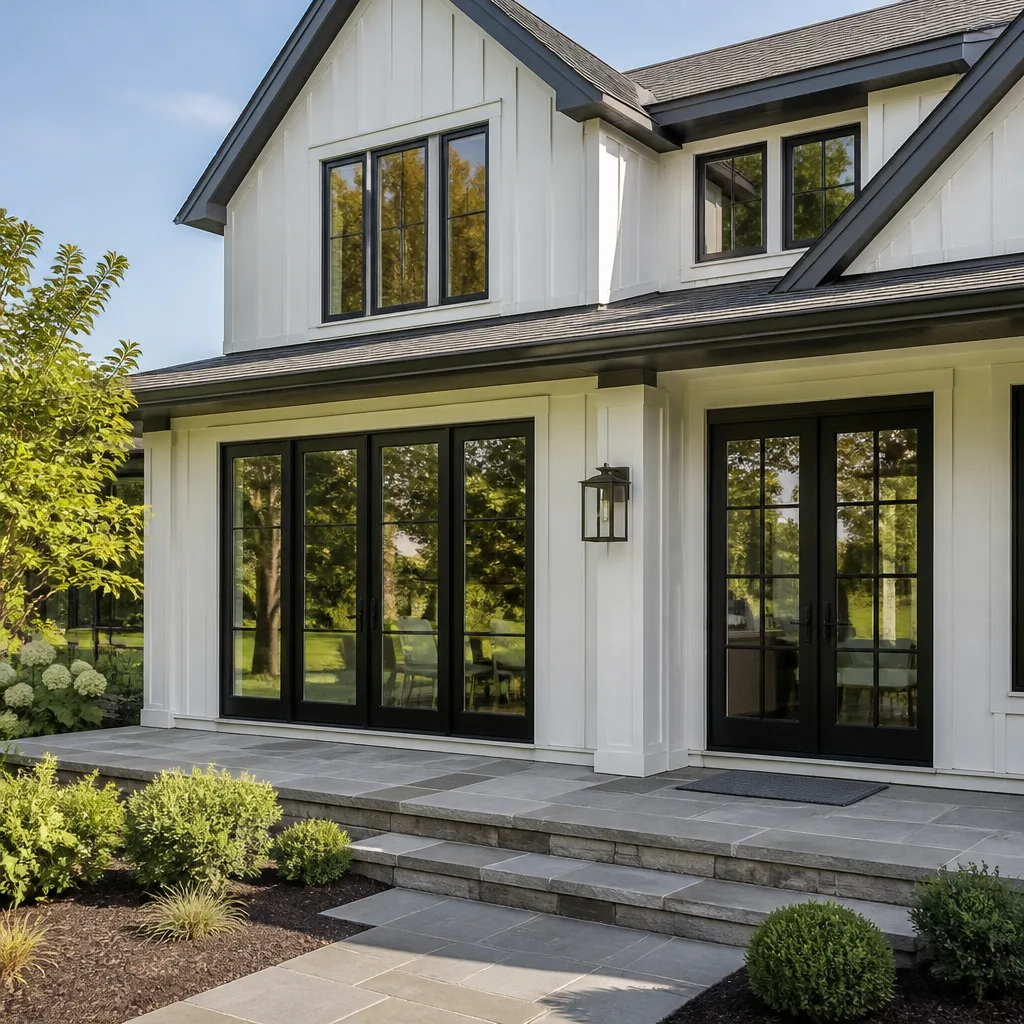
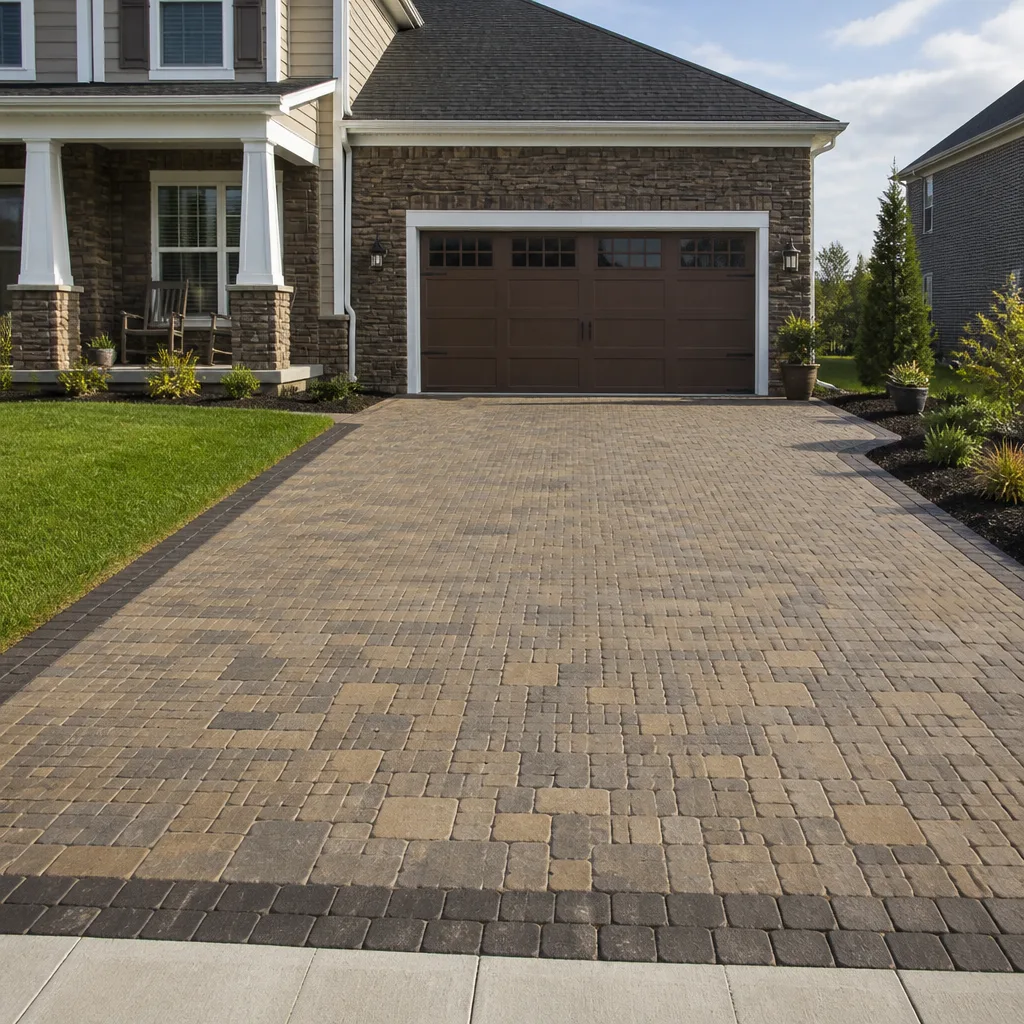
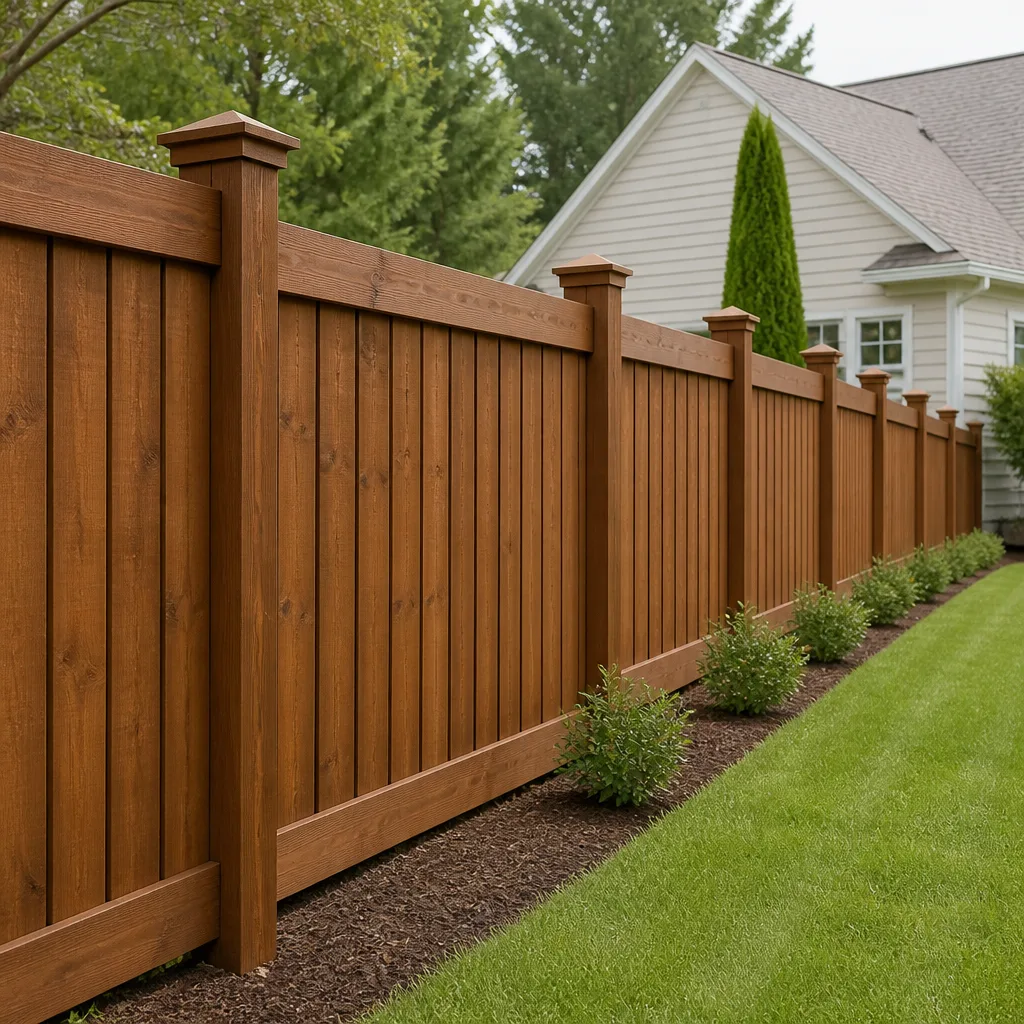
Styles & brands we work with
Signs Your Cambridge Pavers Home Additions & ADU Is Failing
- Water pooling against the new foundation line. The addition changed the grade, and the existing paver base wasn’t sloped to handle the new flow pattern. Water that sits against a slab will find its way in within a year or two.
- Pavers sinking or separating near the addition’s downspouts. A single downspout dumping onto paver joints will wash out the polymeric sand and erode the base. You’ll see a dip form within months if it’s not redirected.
- Visible step-down or lip where the old patio meets the new foundation. This usually means the original base was stone dust over uncompacted native soil, and the addition’s excavation accelerated settlement.
- Efflorescence, the white chalky film, spreading across pavers near the addition. It means water is moving through the paver bed and pulling minerals to the surface. It’s not just cosmetic. It tells you the drainage path is wrong.
- Cracks in the paver surface radiating from the addition corner. Pavers rarely crack on their own. A cracked paver near the new structure means the base shifted and point-loaded that stone. The fix isn’t the paver. It’s the base under it.
Replacement Cost & What’s Included
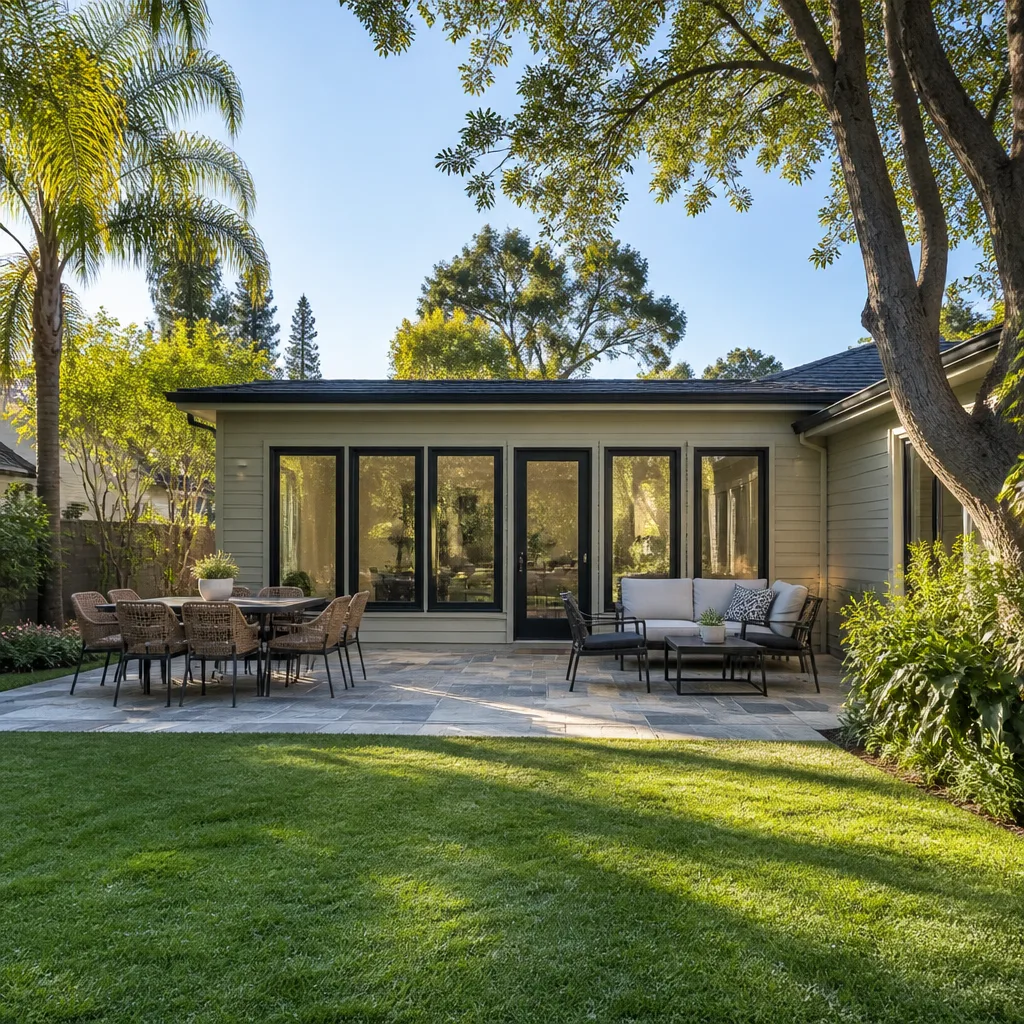
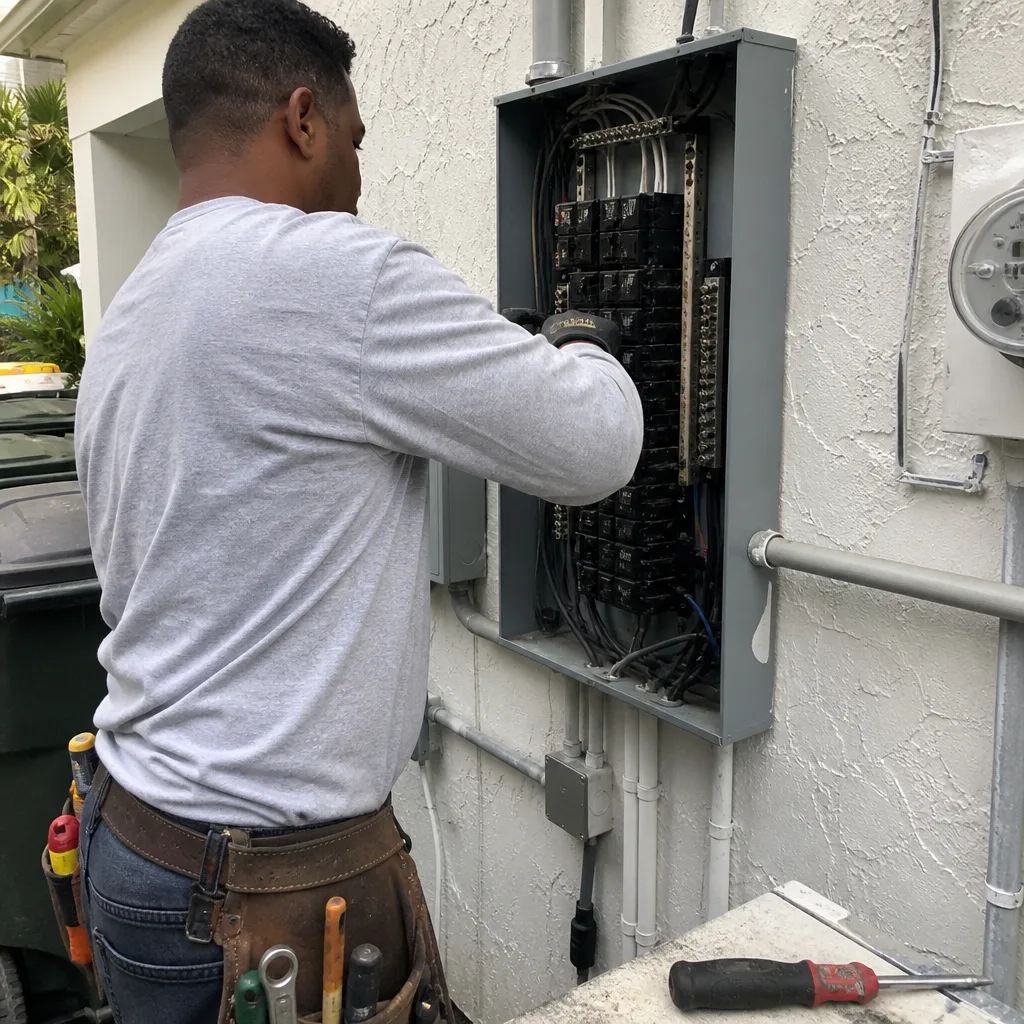
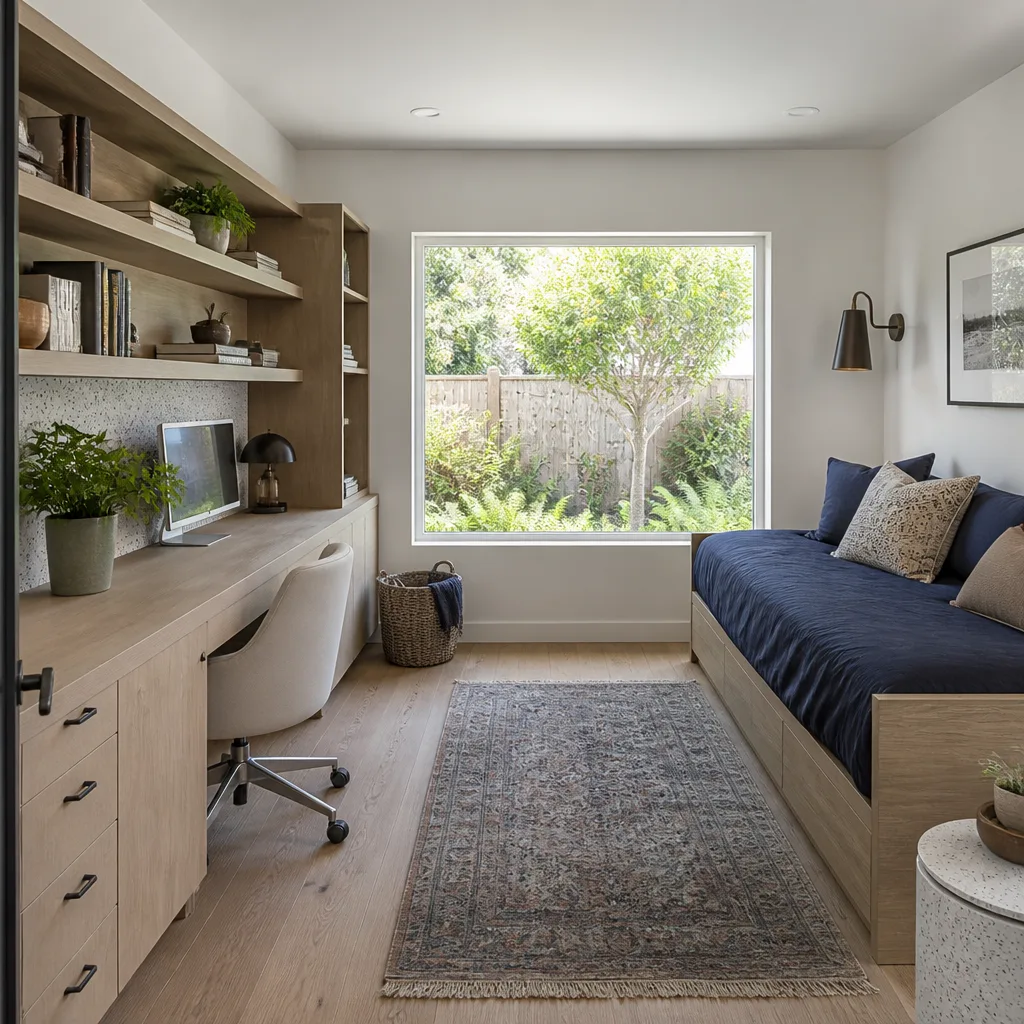
For the Fort Lauderdale market, a Cambridge Paver addition or ADU project runs $45,000 to $130,000 for the build itself, and if you’re redoing surrounding hardscape at the same time, budget $3,500 to $11,000 for a full paver patio re-lay and $7,000 to $18,000 for a new paver driveway. What drives the addition range is straightforward: foundation type (slab versus stem wall on flood-prone lots), roofline complexity, and whether the ADU needs its own electrical panel and water service. A simple bump-out with a shed roof lands at the lower end. A full attached ADU with a kitchenette, bath, and separate entrance lands at the top.
You get a written price before any work starts. Not a ballpark, not a verbal estimate that grows on the final bill. The written price covers the excavation, the foundation, framing, roofing, finish work, and the paver re-lay to match existing hardscape. Every project carries our 365-Day Done Right Promise: if the work is not right within a year of completion, we make it right at no cost to you. That’s written into the contract, not a handshake.
See the difference
 Before
 After
After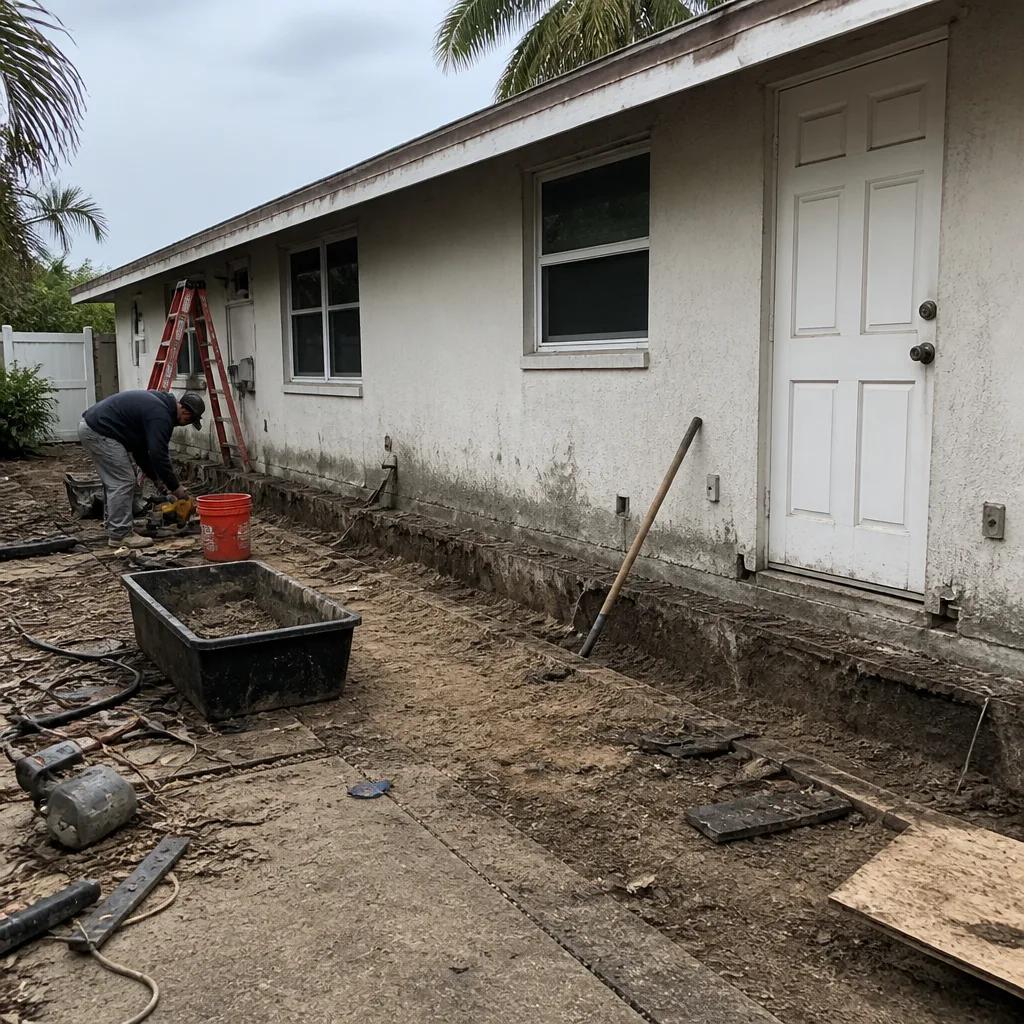 Before
 After
After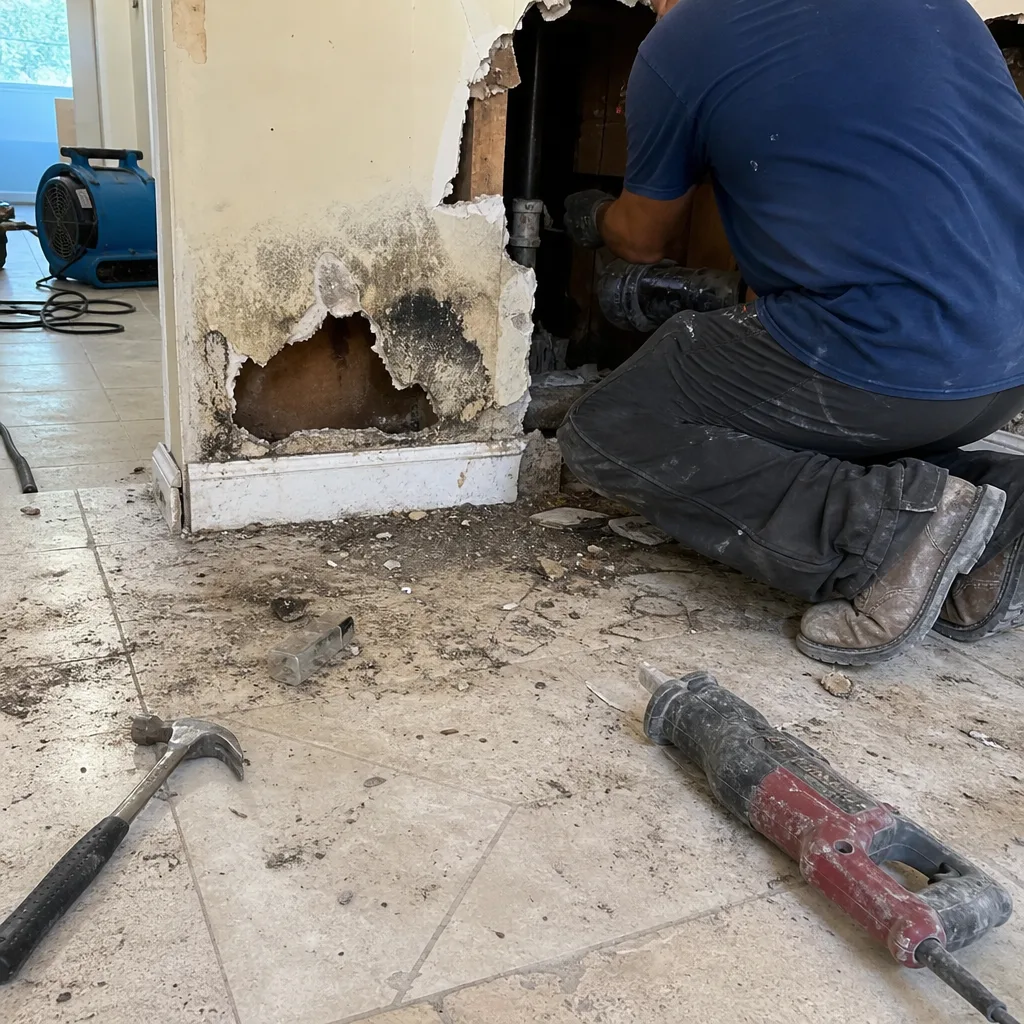 Before
 After
AfterDIY or Call Us?
There’s a real safety line here, and we won’t dance around it. Foundation excavation, re-grading, and re-laying a paver base next to a new structure is not a weekend project. You’re dealing with underground utilities, load-bearing soil conditions, and drainage that has to be right the first time, because the fix for getting it wrong means tearing out the addition’s apron work and starting over. On top of that, Fort Lauderdale’s water table and sandy soil mean a paver base built without proper compaction will fail within two rainy seasons.
What a homeowner can safely do is mark the problem areas, take photos before and after rain, and note where water sits the longest. That helps us diagnose faster when we walk the site. If you’ve got pavers sinking near a new addition or you’re planning an addition and want the hardscape done right the first time, call (754) 354-3720. We’ll send someone who knows Cambridge pavers and additions equally well, and you’ll get a written price before any work starts.
FAQs
Cambridge pavers themselves typically last 25 to 40 years in South Florida’s heat and humidity, but the base under them often fails much sooner, usually in 8 to 15 years, because of our sandy soil and heavy seasonal rain. The paver is rarely the problem. The base prep is. Call (754) 354-3720 and we’ll tell you what’s actually failing before you spend money on pavers you don’t need.
Yes, most sunken or separated Cambridge pavers can be lifted, re-based, and re-laid without buying new material, as long as the pavers themselves aren’t cracked or too faded to match. We stock matching Cambridge lines on the truck, so if a few stones do need replacing, we’re not ordering and waiting. Call (754) 354-3720 for a free on-site look.
A typical Fort Lauderdale addition runs 3 to 6 months depending on permitting, foundation work, and finish scope, with the paver re-lay portion taking 3 to 5 days at the end. We’ll give you a written timeline with the written price, and we’ll tell you early if the city permit office is backed up, because in Fort Lauderdale, they usually are.
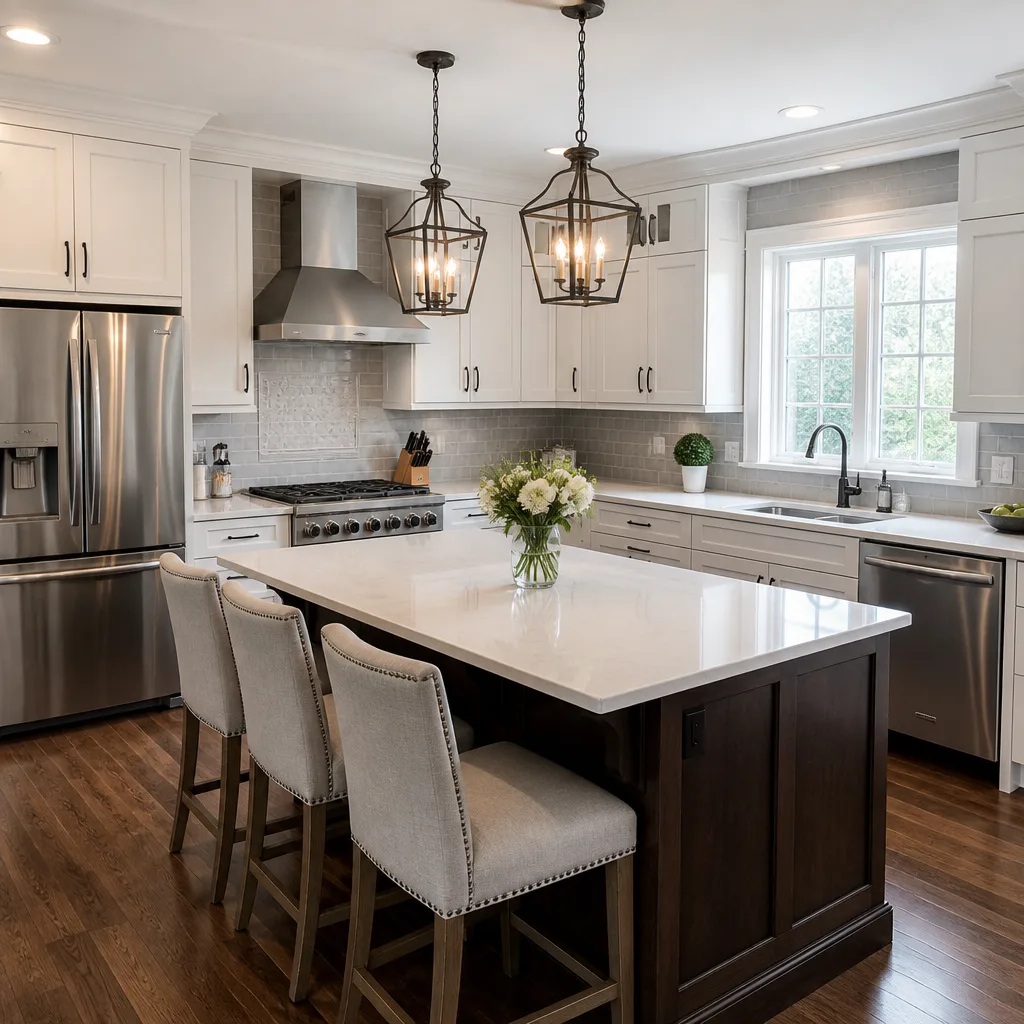
We stock common Cambridge paver lines including Ledgestone and Roundtable on our trucks, and we can pull from the full Cambridge catalog for specialty blends, along with aftermarket equivalents when a homeowner wants to cut cost. We also work with KraftMaid, Cambria, and Silestone on the interior side, so your addition is handled end to end by one crew. Call (754) 354-3720 to talk through what you need.
Ready to Fix Your Cambridge Pavers Addition in Fort Lauderdale?
Whether you’re planning a new addition, converting a garage to an ADU, or dealing with pavers that shifted after construction, we’ll give you a written price before any work starts and a crew you can identify by name and photo before they arrive. That’s the Threshold Standard, and it applies to every project we run in Fort Lauderdale. Call (754) 354-3720 to schedule your free estimate.
Written by Isaac Pruett, Owner, Mason Remodeling Co Fort Lauderdale at Mason Remodeling Co Fort Lauderdale, serving Fort Lauderdale and nearby areas.