Free written scope consultation - allowances, timeline, and change-order rules on paper before a single trade is scheduled
Cambridge Pavers Fence Installation: The Fort Lauderdale Owner’s Guide
Cambridge Pavers fence installation in Fort Lauderdale typically runs between $3,500 and $9,000 for a complete project, including all materials, labor, and the concrete footings required by South Florida code. We carry Cambridge Pavers-compatible fence systems and install them on a scheduled basis, usually completing a standard residential fence within two to five working days depending on the layout and the condition of the existing wall or curb. Homeowners usually discover they need this page when a gate stops latching, a post starts leaning after a hard rain, or the corner of a pillar develops a crack that widens every few months.
What most people do not realize is that fence installation in Fort Lauderdale is not just about stacking blocks. It is about what the blocks sit on. The city’s sandy soil, high water table, and hurricane wind-load requirements mean the footing and reinforcing schedule matter as much as the paver itself. We will get into that below.
Key Takeaways
- Installed Cambridge Pavers fence projects in Fort Lauderdale run $3,500 to $9,000.
- Concrete footings and reinforcing steel are code-required here, not optional upgrades.
- Most failures we see are footing and drainage problems, not the pavers themselves.
- Every project gets a written price before any work starts, and a 365-day written guarantee after.
Which Cambridge Pavers Models This Applies To
Cambridge Pavers does not make a single “fence” product. Fence installation with Cambridge means using their structural wall units, most often from the MaytRx Wall System, the Pisa II retaining wall block, or solid pillar units from the Cambridge Ledgestone line, assembled into columns and screen walls. The MaytRx system is the one we install most for Fort Lauderdale fences because it is designed to be glued rather than dry-stacked, which gives the wall real resistance against lateral wind pressure.
Here is the compatibility gotcha most homeowners do not know: not every Cambridge wall block is rated for fence height. The Pisa II block, for example, is a retaining wall unit. It can work as a low screen wall up to roughly three feet, but pushing it to a six-foot privacy fence without engineering is asking for trouble. When a Fort Lauderdale homeowner wants a full-height privacy fence, we spec MaytRx or a two-sided column system with a reinforcing core. Identifying the right unit matters because Cambridge changes texture and finish runs between manufacturing batches. A paver bought three years ago may not match a paver bought today, even from the same series, especially after Florida sun has faded the original. We match by measuring the unit, checking the back-side embossing, and, when needed, ordering from the same batch lot.
For OEM versus aftermarket: Cambridge Pavers are the OEM here by definition. There is no meaningful aftermarket equivalent for the structural wall units themselves. The parts where aftermarket actually saves money are caps, adhesives, geogrid, and drainage stone. We use Cambridge units for the wall body and professional-grade adhesives like SRW or Loctite PL 500 for the cap joints, because a failed glue joint is the most common reason a top cap lifts or shifts.
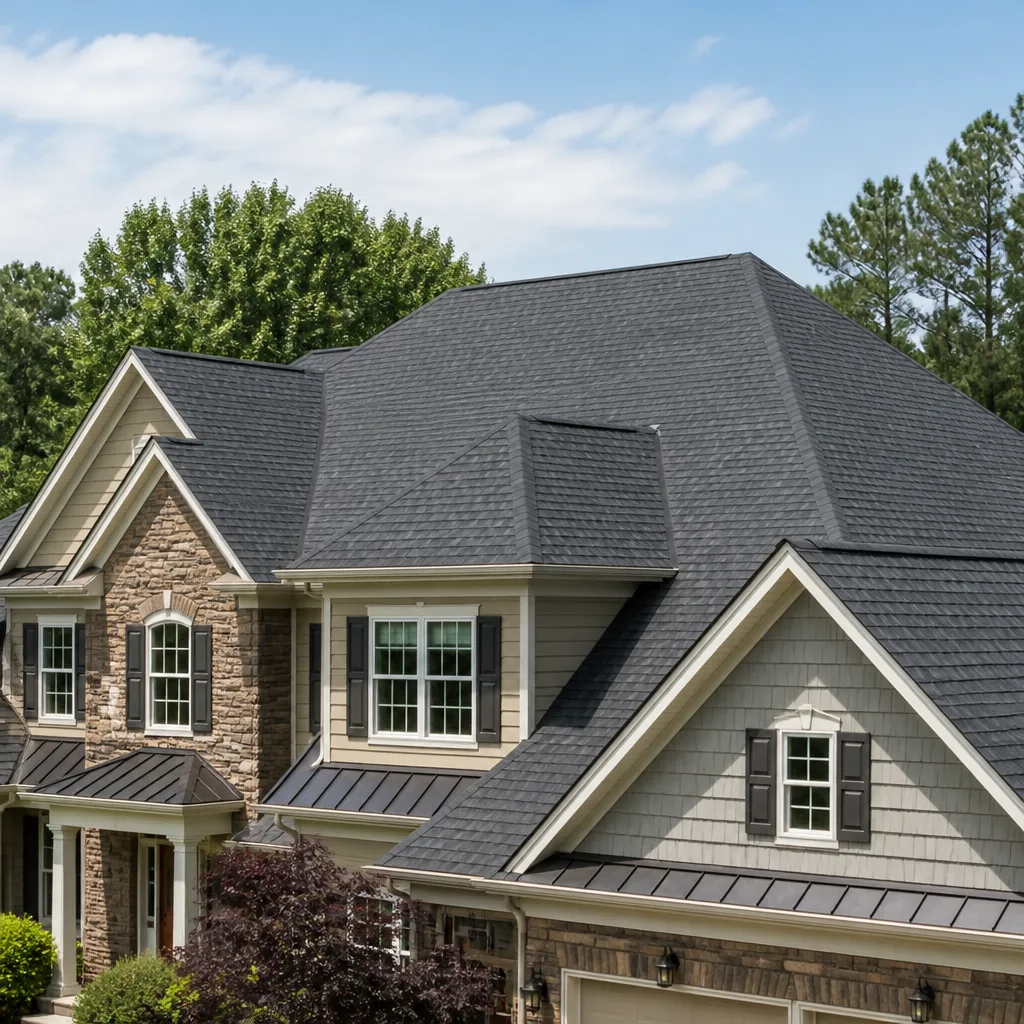
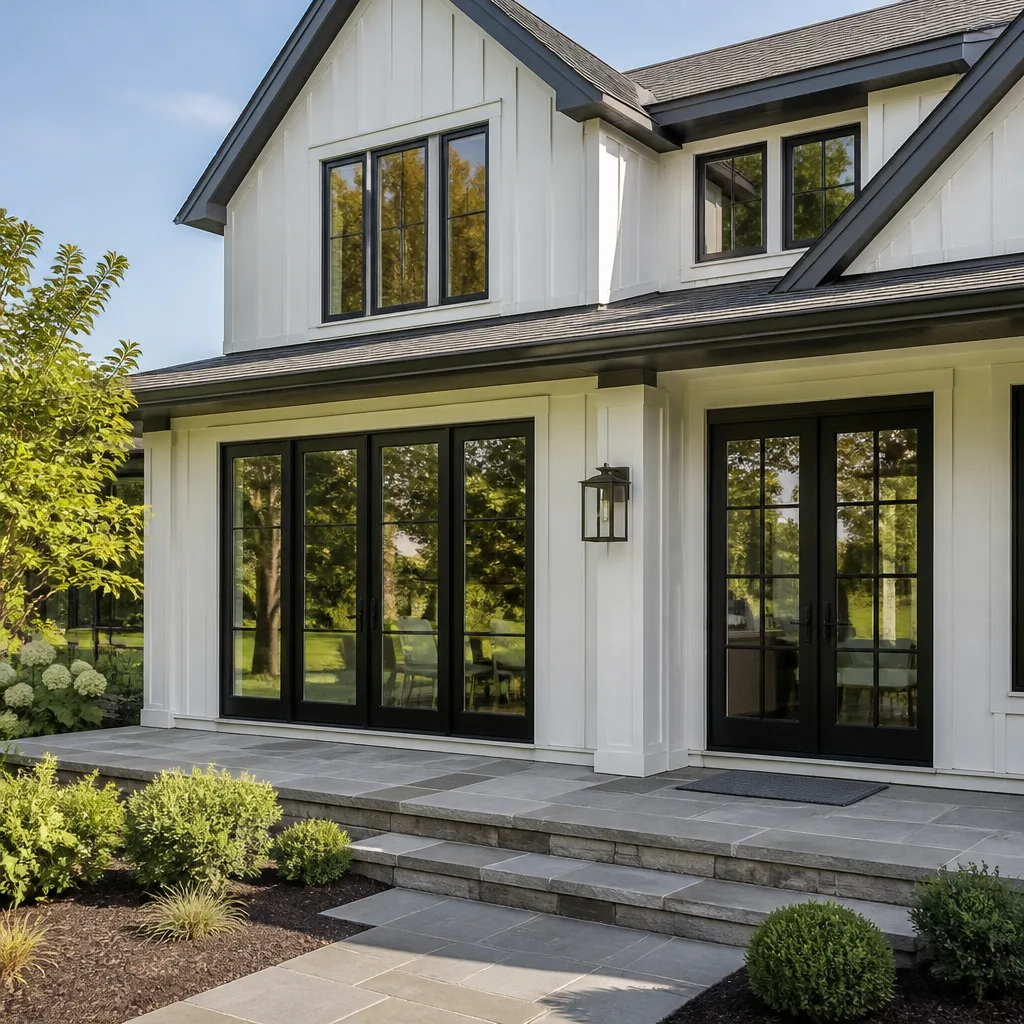
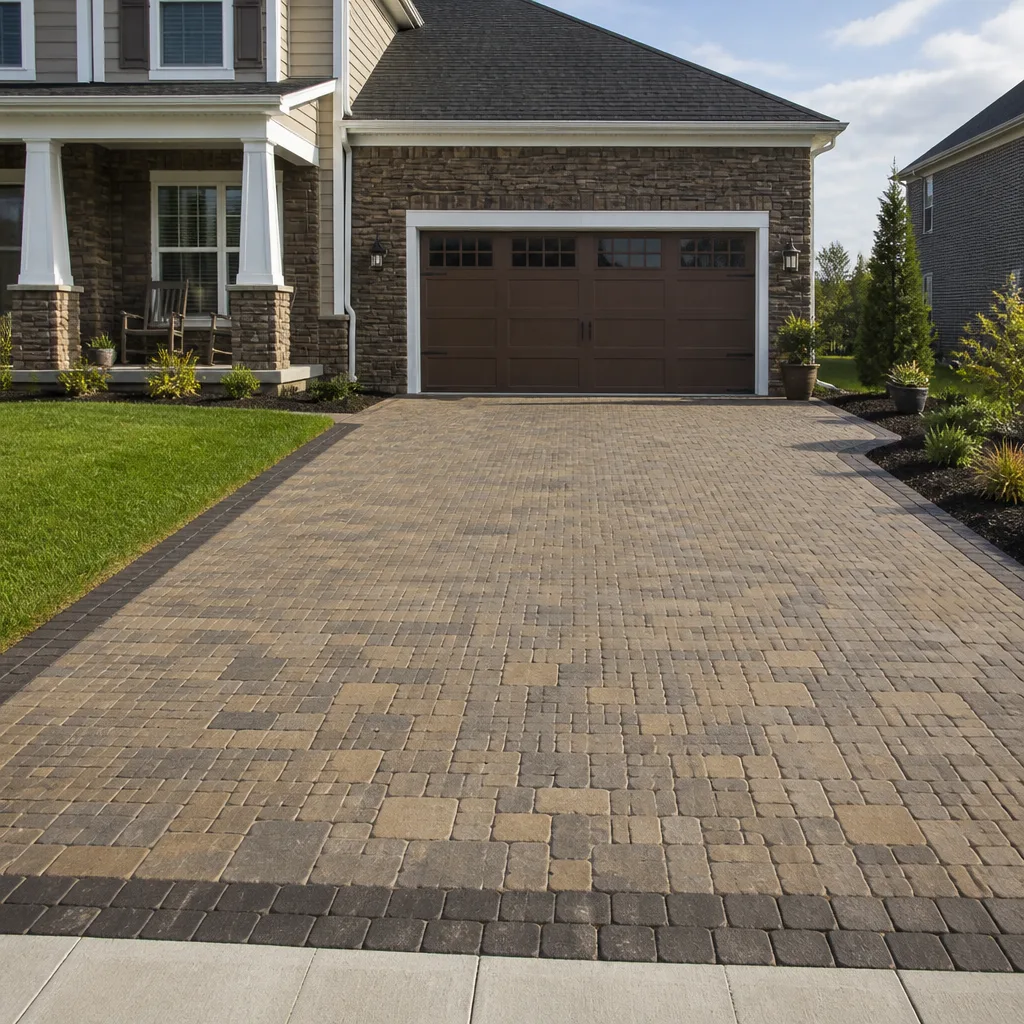
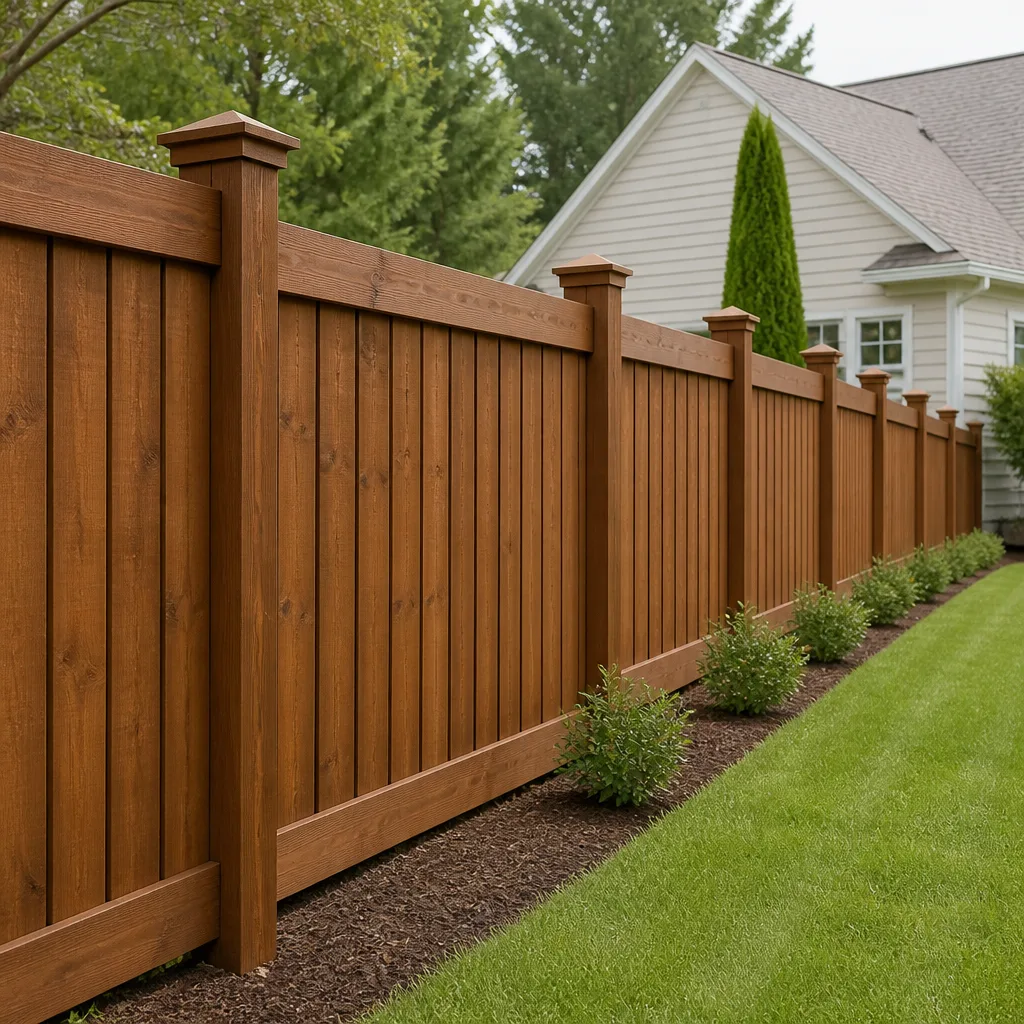
Styles & brands we work with
Signs Your Cambridge Pavers Fence Installation Is Failing
- Leaning post or pillar. The most common call we get in Fort Lauderdale, especially in neighborhoods like Victoria Park and Sailboat Bend where irrigation runs right along the fence line. The cause is almost always a footing that was poured too shallow or not reinforced. A properly built Cambridge pillar here sits on a concrete footing that goes deep enough to get past the loose sand and is steel-reinforced. When a post leans, the footing is failing, not the block.
- Cracking near the base of a pillar. This one shows up after heavy rain. Water saturates the soil, the footing settles, and the mortar or adhesive joint between the first and second course cracks. It starts as a hairline and widens. The repair is not gluing the crack. It is stabilizing the base, which usually means a new footing.
- Cap lifting or sliding off. The top cap on a Cambridge pillar is held by adhesive, and in South Florida, UV and heat break down cheap adhesive within a few years. If you can wiggle a cap with your hand, it is hanging on by luck. That cap is a heavy piece of concrete. When it falls, it falls hard.
- Gate sagging and dragging on the pavers. The gate post was not tied into the wall correctly, or the post was set without a concrete core. Every time the gate swings, the post works loose a little more. Eventually the latch stops lining up entirely.
- Efflorescence that keeps coming back. That white, chalky film on the block face is not a structural problem by itself, but if it persists in the same spots after cleaning, it tells you water is moving through the wall. In Fort Lauderdale’s humidity, trapped moisture inside a fence wall shortens the life of the adhesive joints and accelerates fading.
See the difference
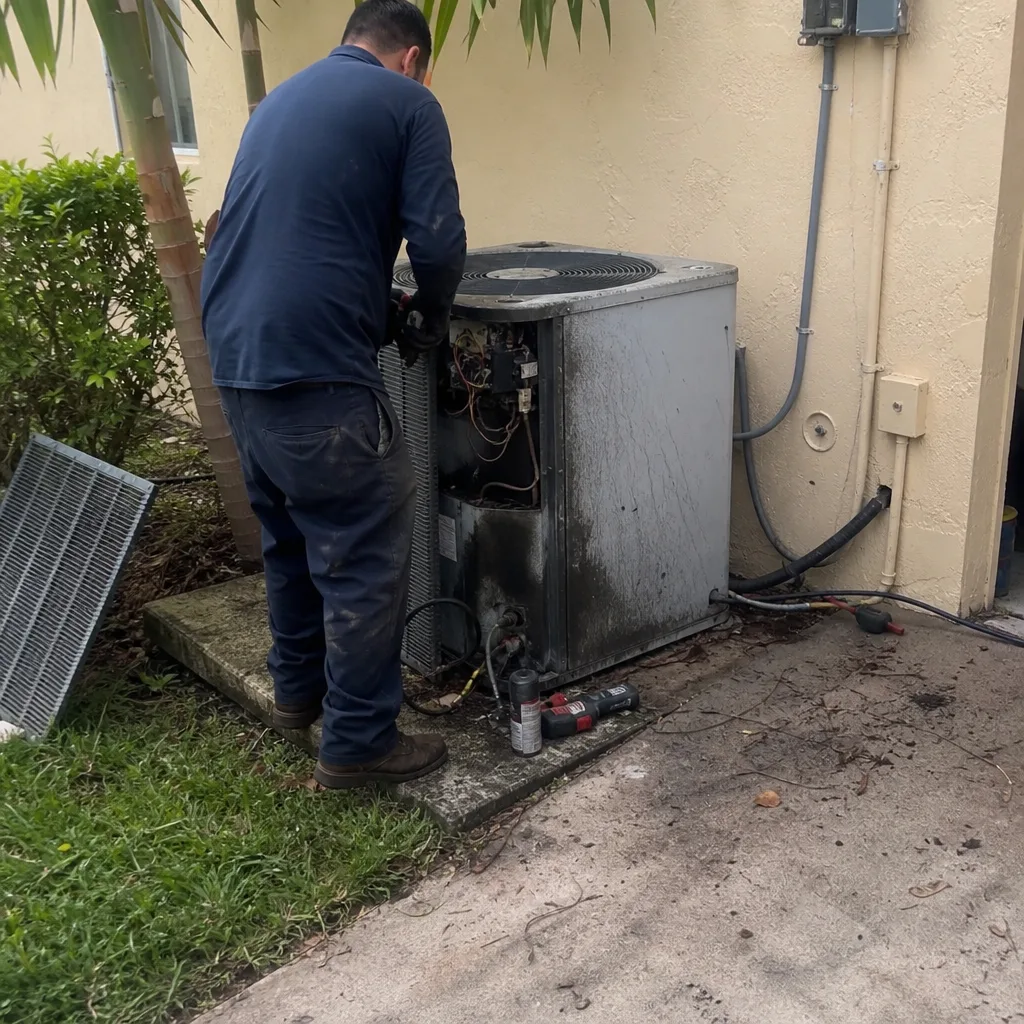 Before
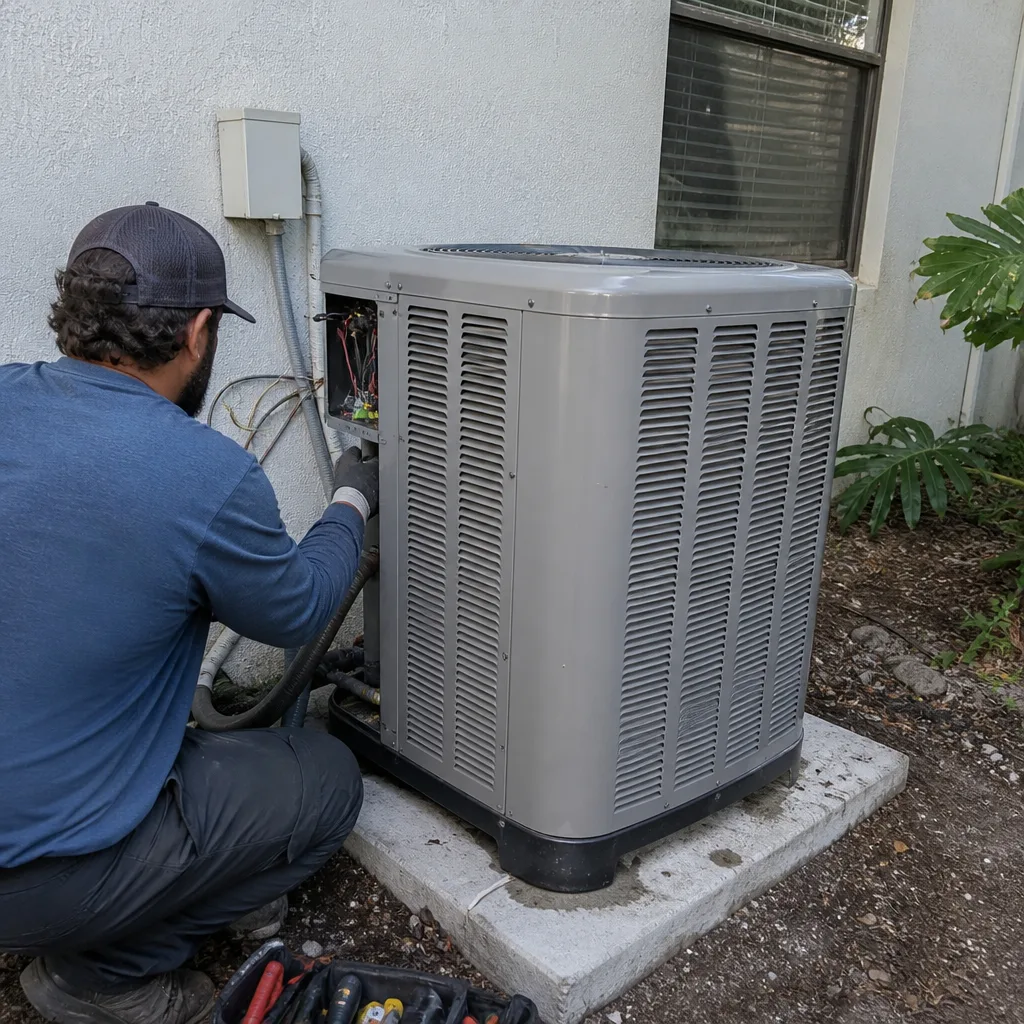 After
After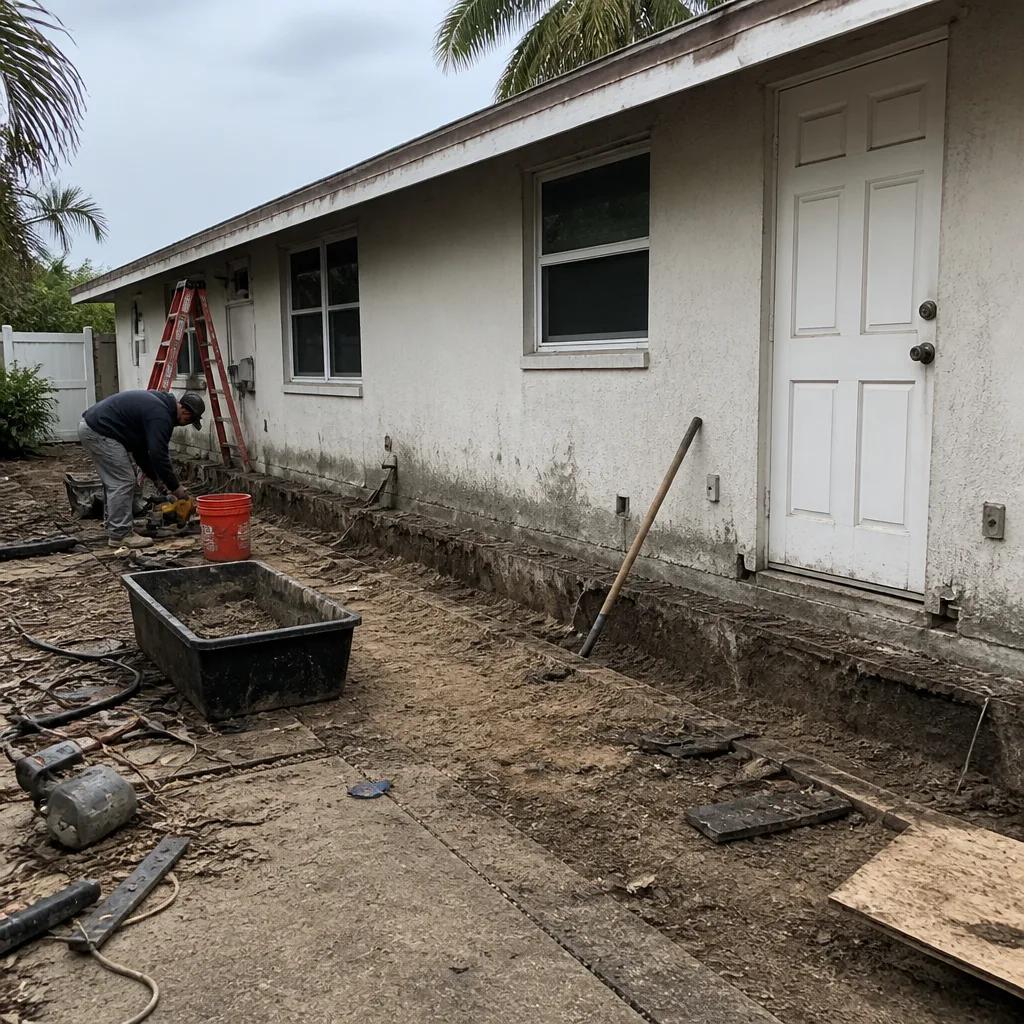 Before
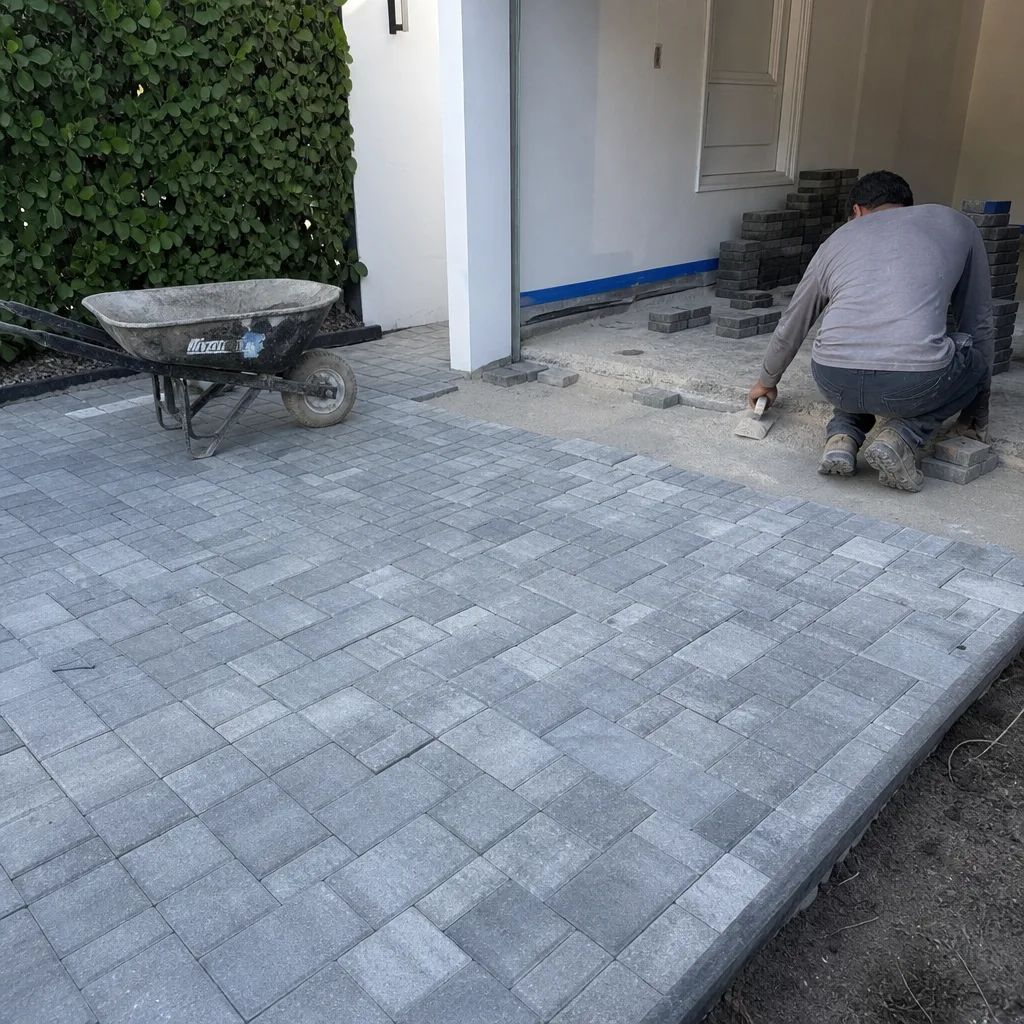 After
After Before
 After
AfterReplacement Cost & What’s Included
For a Cambridge Pavers fence installation in Fort Lauderdale, plan on $3,500 to $9,000 for a complete project. That range covers a modest side-yard screen wall on the low end up to a full perimeter privacy fence with pillars, gates, and matching caps on the high end. The biggest price drivers are linear footage, fence height, whether there is an existing concrete curb to build on, and the amount of excavation needed to place footings in Fort Lauderdale’s sandy soil.
Here is how the costs typically break down:
- Materials (Cambridge units, caps, adhesive, reinforcing steel, concrete, drainage stone): typically 55 to 65 percent of the total project cost.
- Labor including excavation, footing work, wall assembly, and cleanup: typically 35 to 45 percent.
- Permit coordination: Fort Lauderdale requires a permit for any fence wall over a certain height, and we handle that paperwork as part of the project, including the inspection.
Every Mason Remodeling Co Fort Lauderdale fence project gets a written price before any work starts. That number does not change once the shovel goes in the ground unless you ask us to change the scope. The work is covered by our 365-Day Done Right Promise: if anything is not right within one year of completion, we make it right at no cost to you. We are an independent service provider, not affiliated with Cambridge Pavers, so our warranty sits on top of whatever the manufacturer’s product warranty covers, and we detail all of it in writing.
DIY or Call Us?
Honest answer: you can dig a hole and stack blocks. Plenty of people in Fort Lauderdale have, and some of those walls are still standing. The risk is that a fence wall is a structural element, not a landscaping feature. Wind loads during hurricane season, the city’s permitting rules, and the simple fact that a six-foot wall of concrete block falling on someone is a serious event mean this is not a casual weekend project. We have torn down DIY Cambridge walls where the builder used construction adhesive from a caulk gun instead of the manufacturer’s structural adhesive, and the entire cap course came off in one piece.
What you can safely do yourself is check the existing wall: push gently on each pillar, look for new cracks after rain, and check that the gate is still latching flush. That gives us a useful starting point when we arrive. What you should not do is try to reset a leaning pillar or knock loose blocks back into place. If the footing is gone, restacking blocks is the wall version of rearranging deck chairs. Call us at (754) 354-3720 and Isaac Pruett will tell you what we found, what it takes to fix it, and what it will cost, before we touch a thing.
FAQs
A properly built Cambridge Pavers fence with reinforced concrete footings and good drainage will last 25 to 40 years in Fort Lauderdale, though cap adhesive joints typically need re-gluing every 8 to 12 years due to UV breakdown from South Florida sun. The pavers themselves do not rot or warp like wood or vinyl, which makes them one of the longer-lived fence materials for this climate.
Yes, in many cases a leaning post can be repaired by excavating around the footing, resetting the post with a new reinforced concrete base, and re-installing the block, but the repair is only worth it if the block itself is in good condition. If the block faces are cracked or stained through, full replacement is usually the smarter long-term move.
A standard residential Cambridge Pavers fence project in Fort Lauderdale takes two to five working days, including footing excavation, concrete cure time, wall assembly, and cap installation. Larger projects with multiple pillars and gates may take longer, and we detail the schedule in writing before work begins.
We stock common Cambridge MaytRx wall units, caps, and the structural adhesives we use on every installation, but because Cambridge runs batch variations in color and texture, we often order the specific batch we need once we have measured your existing fence. That ensures your new section matches what is already there rather than looking like a patch job. Call (754) 354-3720 for a free estimate and we can confirm current stock for your specific Cambridge series.
If your Cambridge Pavers fence is leaning, cracked, or just not looking the way it should, call Mason Remodeling Co Fort Lauderdale at (754) 354-3720. We will give you a straight answer on what is wrong, a written price to fix it, and a schedule that respects your time. No surprises, no pressure, and a live person answers the phone around the clock. We also stock and install hardscape, cabinetry, and surface materials from partners like KraftMaid, Cambria, and Silestone, so if your fence project turns into something bigger, we can handle it under one written price.
Written by Isaac Pruett, Owner, Mason Remodeling Co Fort Lauderdale at Mason Remodeling Co Fort Lauderdale, serving Fort Lauderdale and nearby areas.