Free written scope consultation - allowances, timeline, and change-order rules on paper before a single trade is scheduled
CGI Home Additions & ADU: The Fort Lauderdale Owner’s Guide
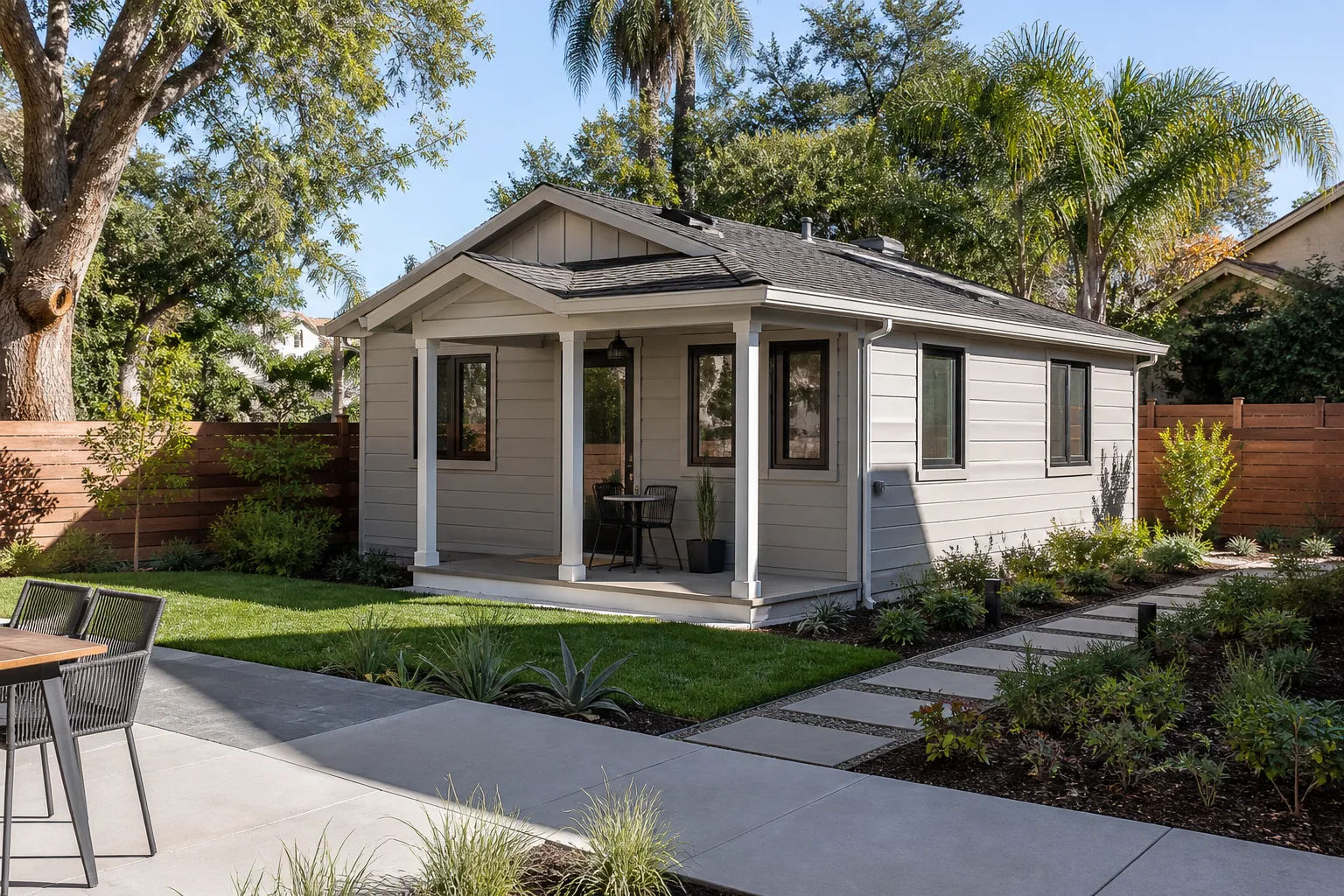
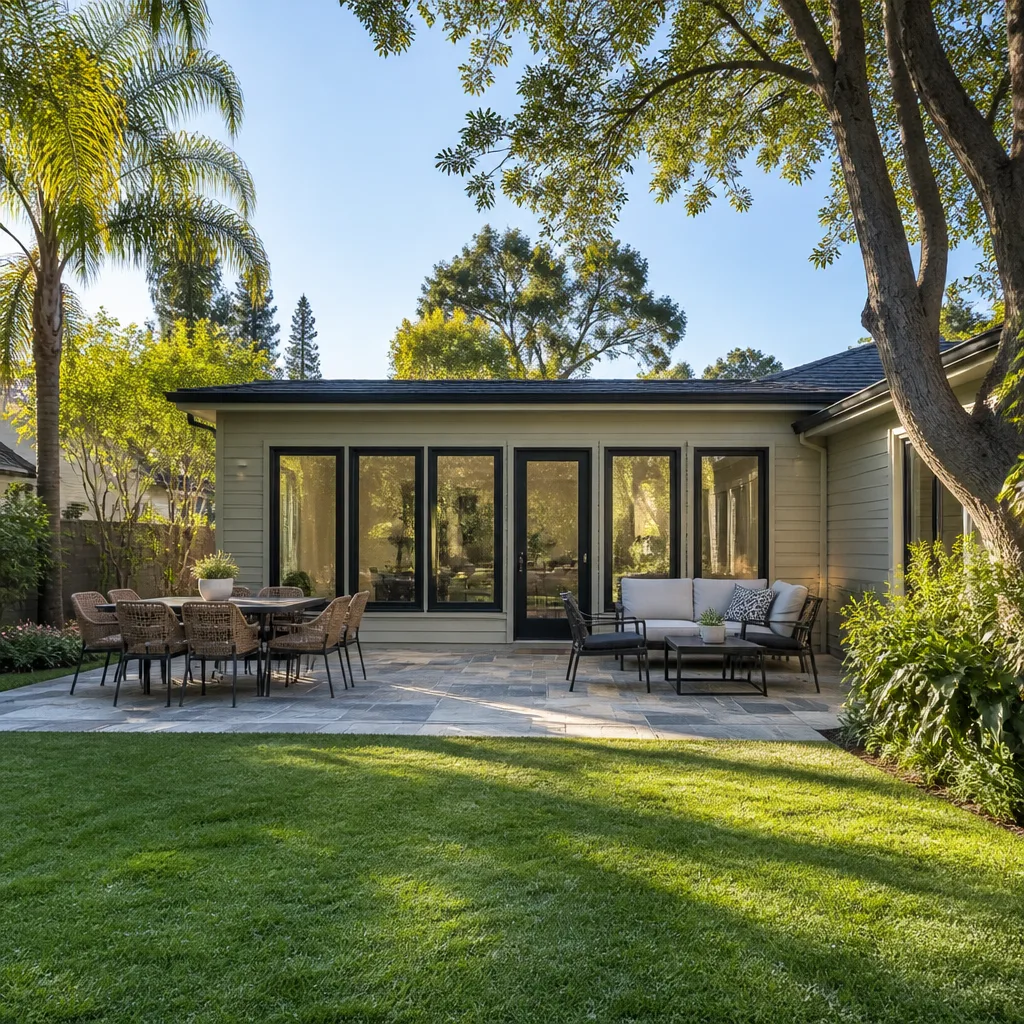
A full home addition or ADU built around CGI products in Fort Lauderdale generally runs $45,000 to $130,000 installed, depending on square footage, roofline complexity, and how much of the existing structure we’re tying into. ADU construction as a standalone project lands between $90,000 and $220,000 when it includes its own kitchen, bath, and utility connections. Most owners call us when they realize the scope is bigger than a weekend project: a wall that isn’t square, a roofline that won’t tie in cleanly, or a permit office that just flagged something they didn’t know about.
We tell you what we found, what it takes to fix it, and what it will cost – before we touch a thing.
If you’re reading this because a previous contractor walked off a CGI-based addition or an ADU shell is sitting unfinished in your backyard, you’re in the right place. We finish those jobs in Fort Lauderdale all the time, including in Victoria Park, Rio Vista, and Coral Ridge.
Which CGI Models This Applies To
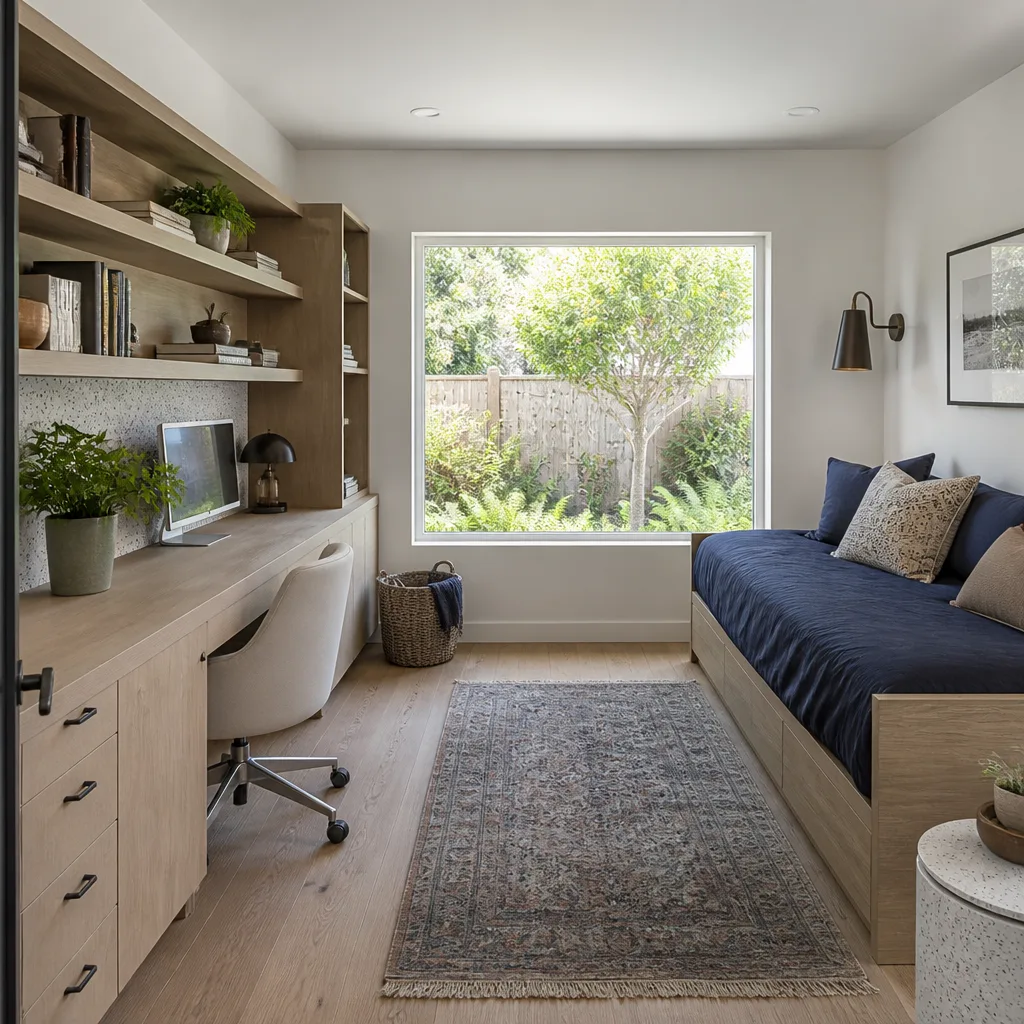
CGI manufactures a range of impact-rated window and door products, and the challenge with additions and ADUs isn’t the CGI product itself – it’s how the framing, flashing, and tie-downs were done around it. We regularly see CGI’s Estate Collection and Targa Series windows spec’d on Fort Lauderdale additions because both meet Miami-Dade and Broward County impact requirements. The gotcha: some builders order the right glass but the wrong frame depth, then shim and trim around the gap instead of reframing. That shim job fails within two or three wet seasons.
When we take over a CGI-based project, we verify the product labels against the permit drawings. Each CGI unit carries a notice-of-acceptance (NOA) number, and that number has to match what the building department has on file. If it doesn’t, you’re not just dealing with a cosmetic issue – you may fail final inspection. We handle the paperwork trail from day one.
OEM CGI components are worth the cost on structural items: corner keys, sill pans, and reinforced mullions. For trim and interior casing, a quality aftermarket equivalent is fine as long as it’s rated for Florida humidity and UV exposure. We’ll make that call honestly on a case-by-case basis, and we’ll show you the price difference before you commit.
Mason Remodeling Co Fort Lauderdale is an independent contractor. We’re not affiliated with CGI, but we’ve been installing and repairing around their products since 2004, and we stock common CGI-compatible flashing, anchors, and fasteners on our trucks.
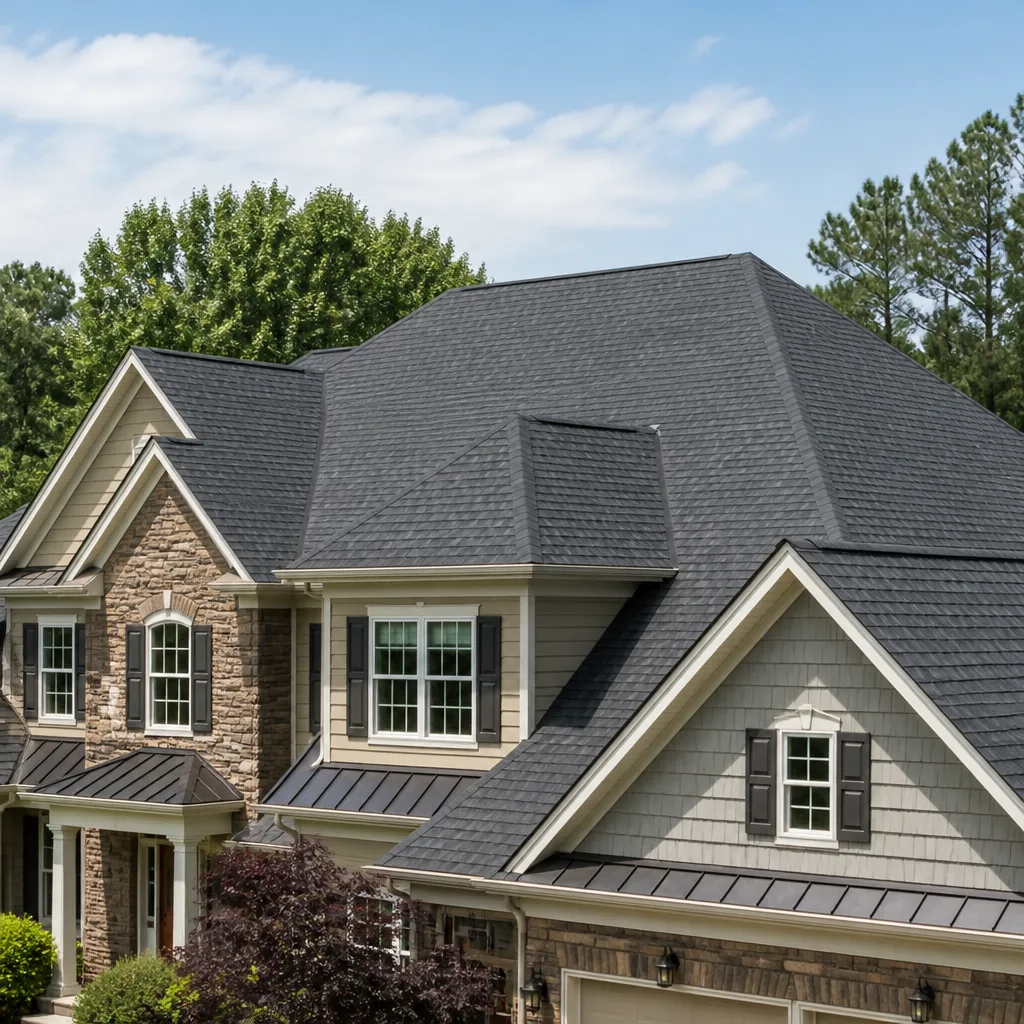
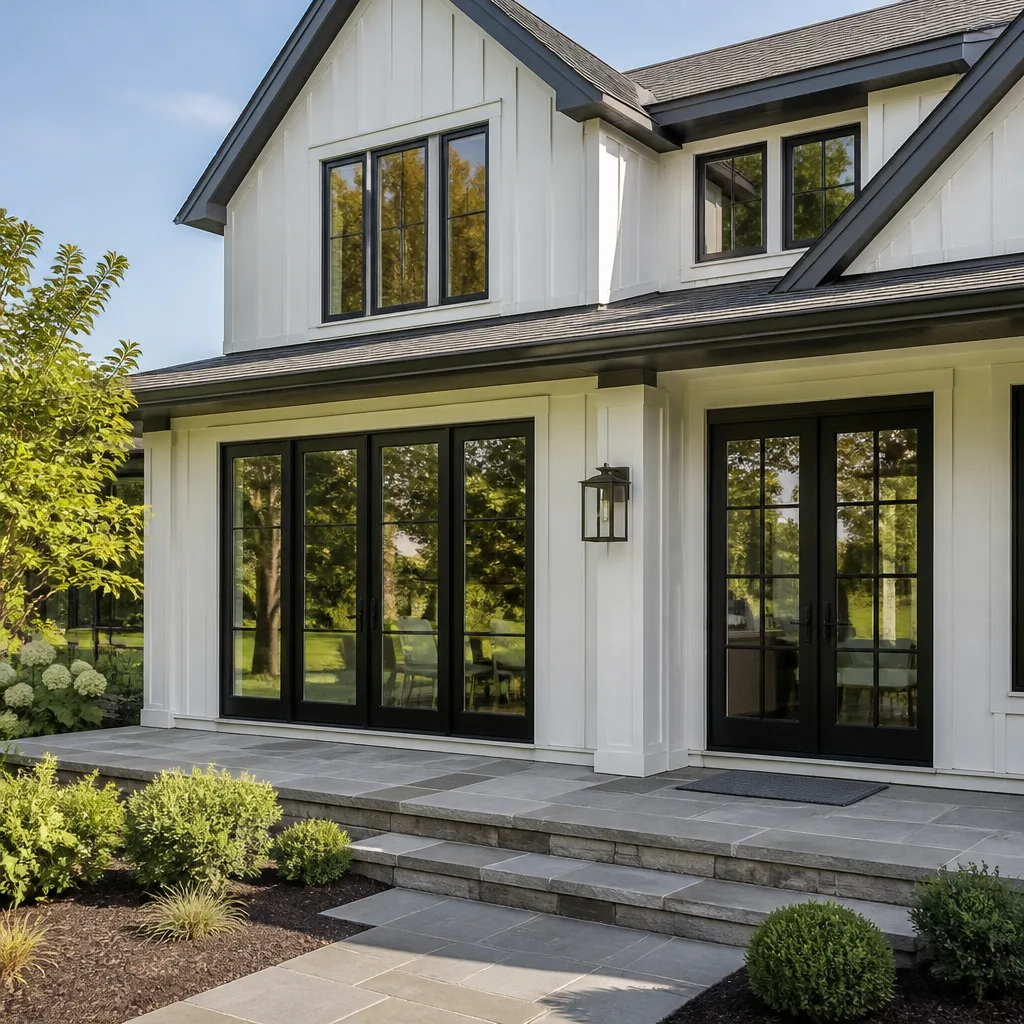
Styles & brands we work with
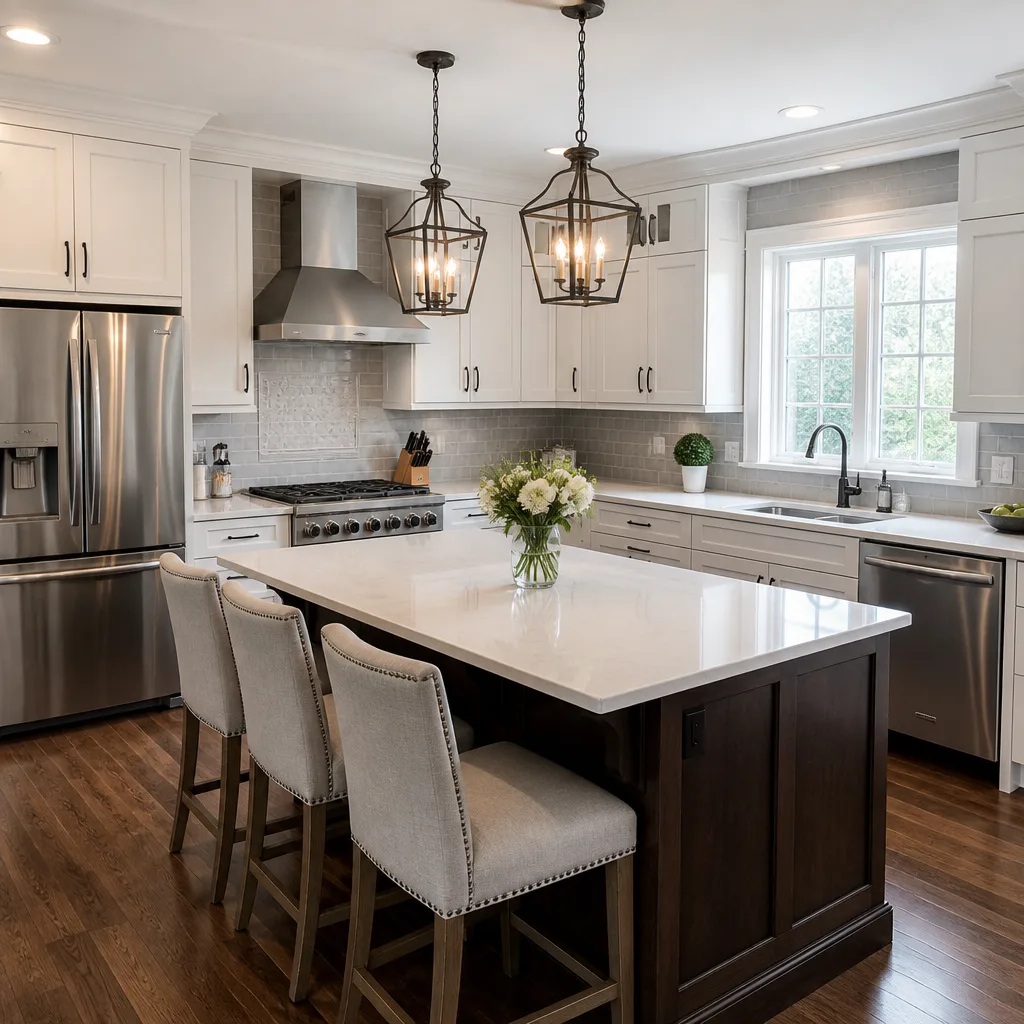
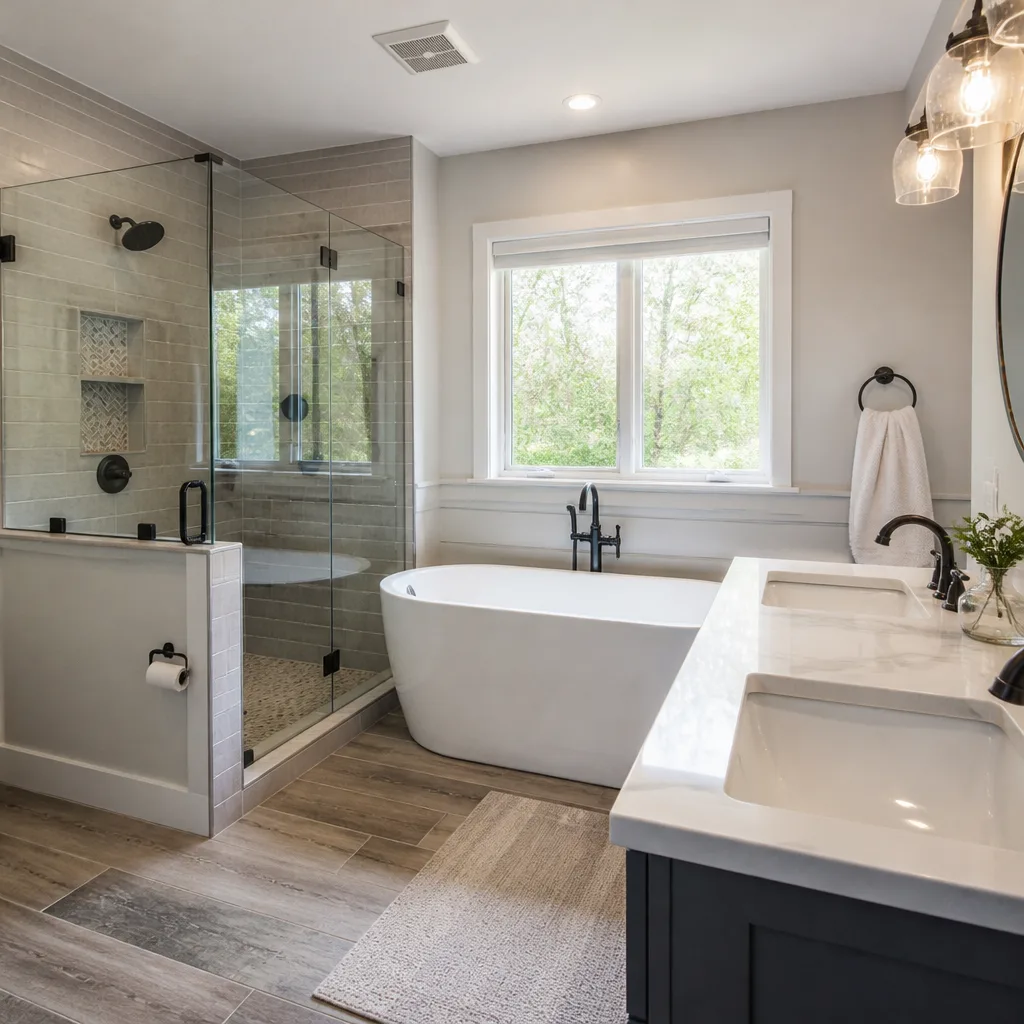
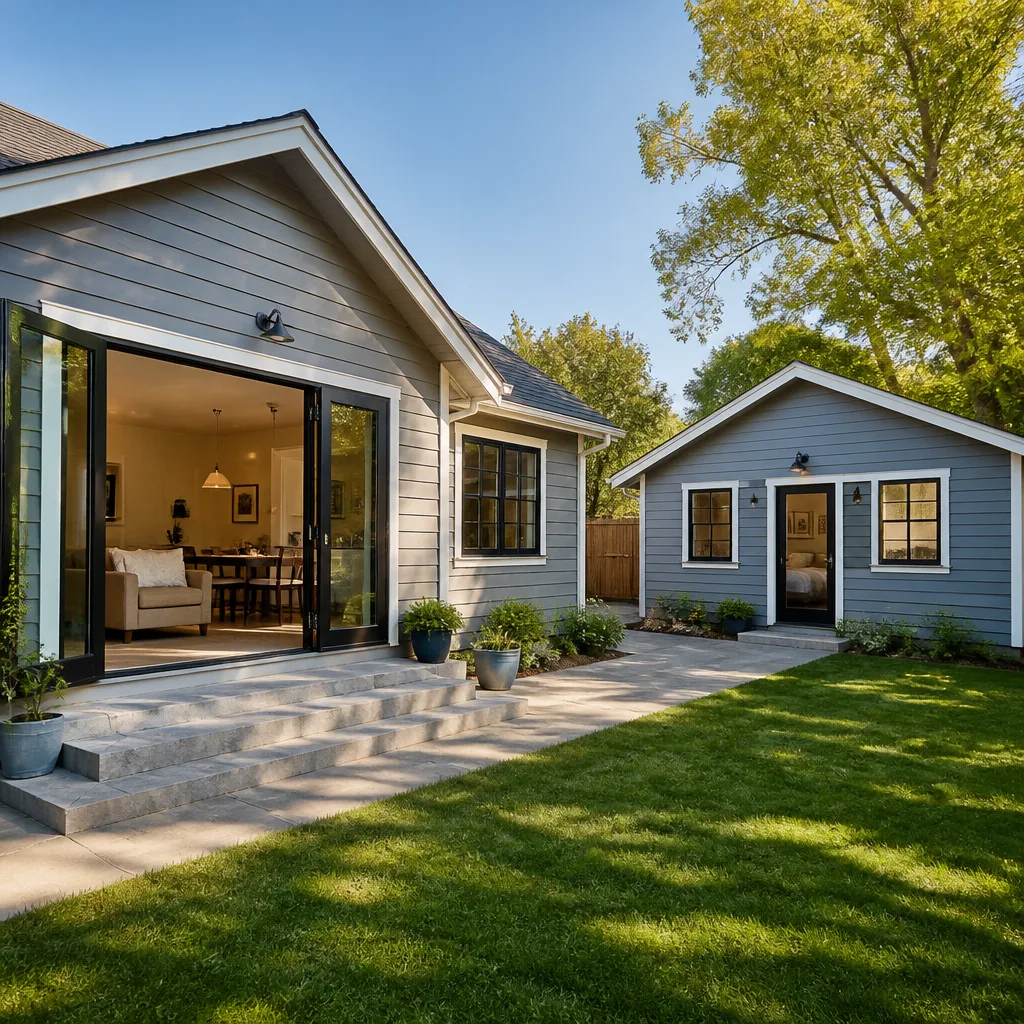
Signs Your CGI Home Additions & ADU Is Failing
- Water staining at the ceiling-to-wall intersection: This usually means the roof tie-in wasn’t flashed correctly where the new addition meets the old house. In Fort Lauderdale, that junction gets hammered by driving rain during summer storms, and any gap shows itself fast.
- Windows or doors that won’t close flush after a year: The slab or foundation under the addition has moved. South Florida’s sandy soil settles unevenly, and if the footers weren’t sized for the load, the framing shifts and your CGI units bind in their openings.
- Cracks running diagonally from window corners: That’s shear stress. The wall wasn’t braced or strapped to current code, and the CGI unit is now carrying load it was never meant to carry.
- AC can’t keep the new space cool, even with oversized equipment: The ceiling insulation or the attic ventilation was shortchanged. We see this constantly in garage conversions and ADU shells. The room above cooks all afternoon, and the space never recovers.
- Permit paperwork says one thing, the build says another: If the addition doesn’t match what was permitted – different roofline, different window sizes, different square footage – the city can red-tag the whole structure. That’s a five-figure problem that starts as a paperwork problem.
See the difference
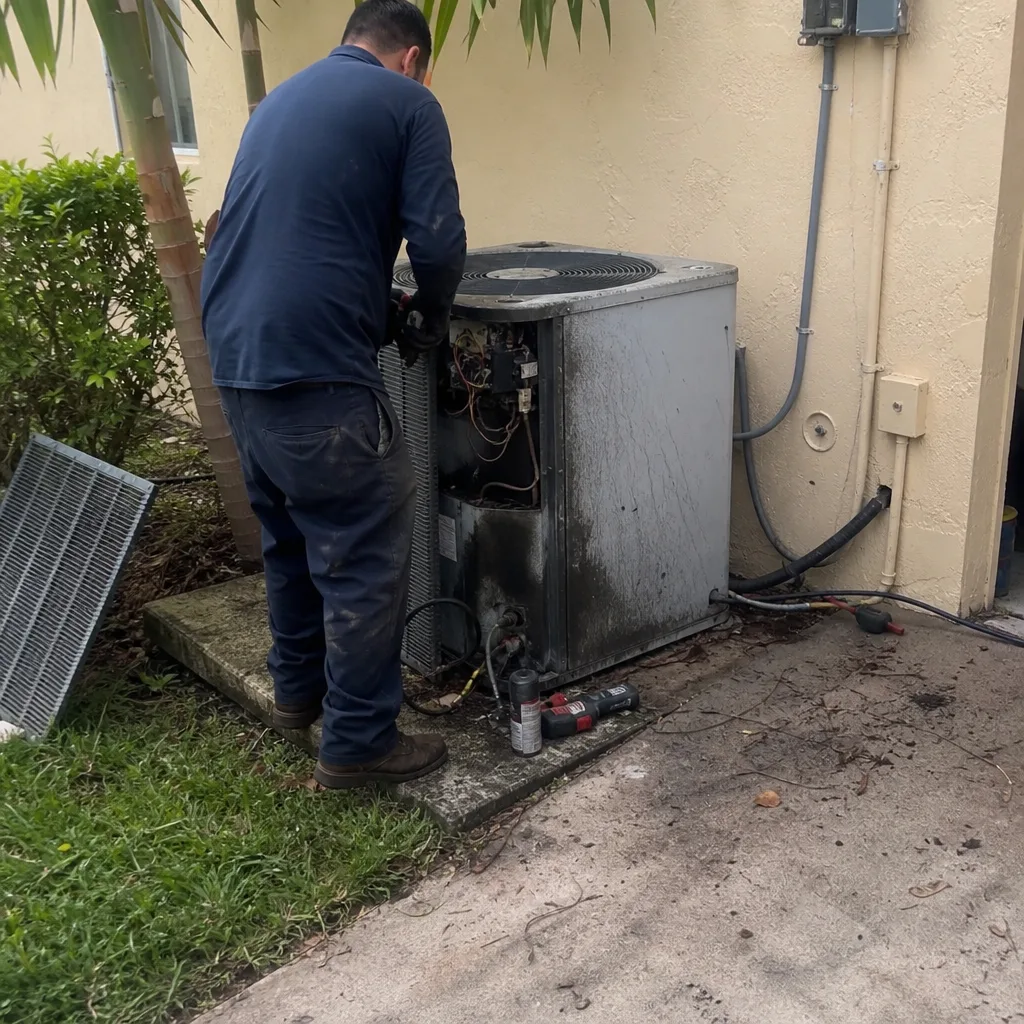 Before
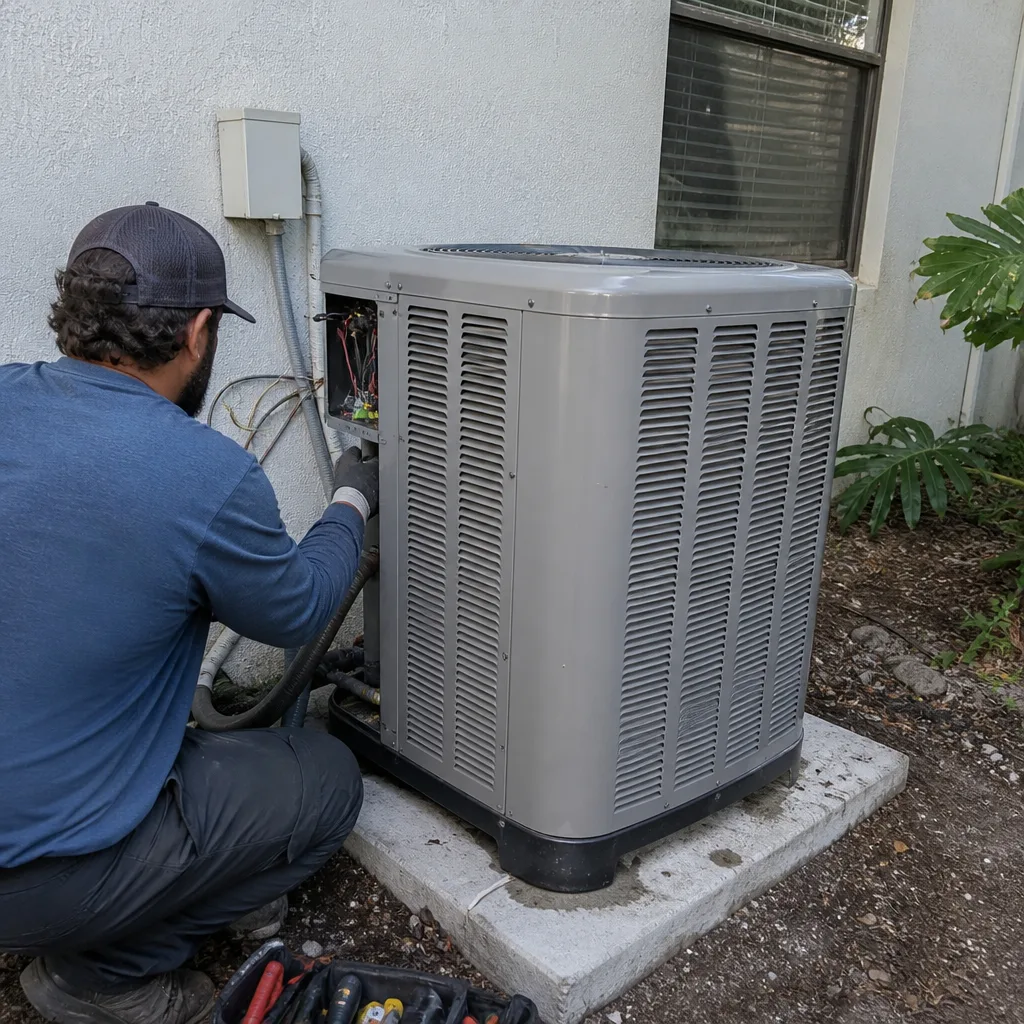 After
After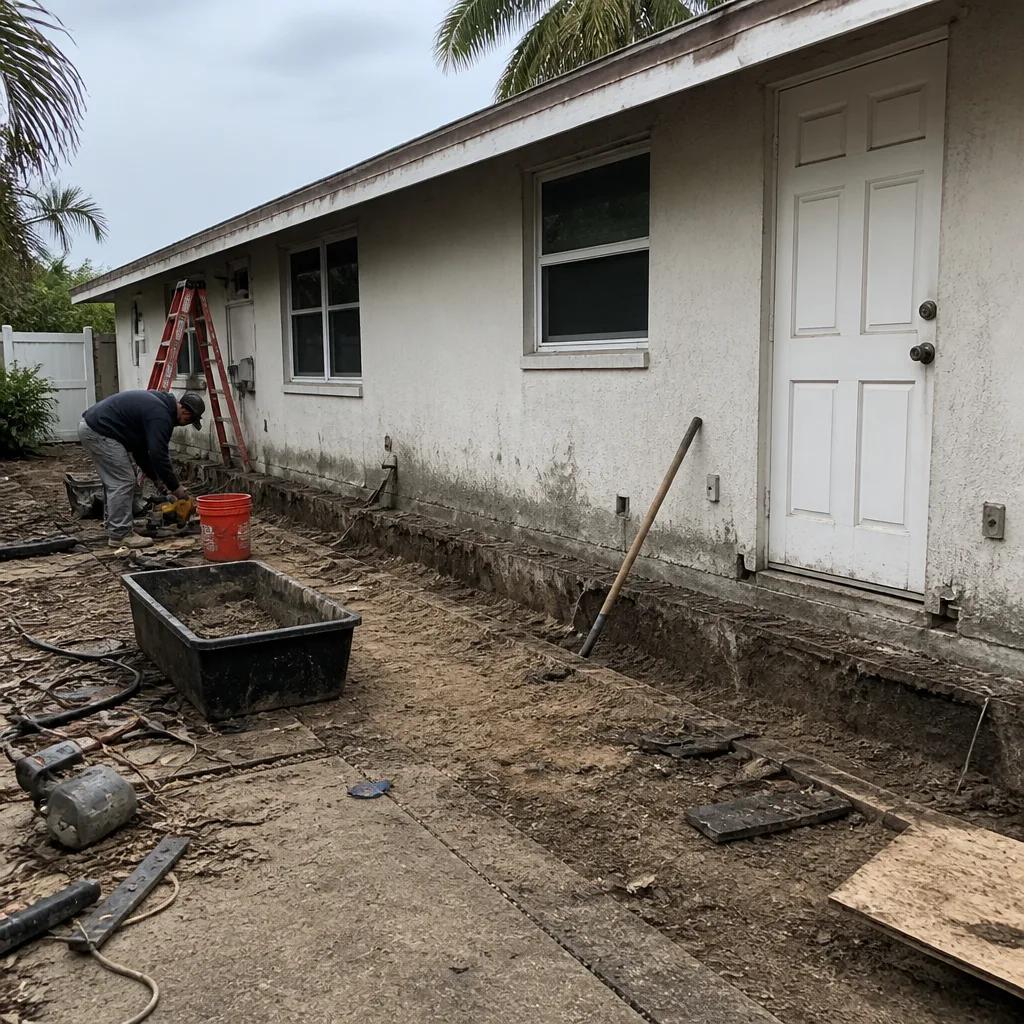 Before
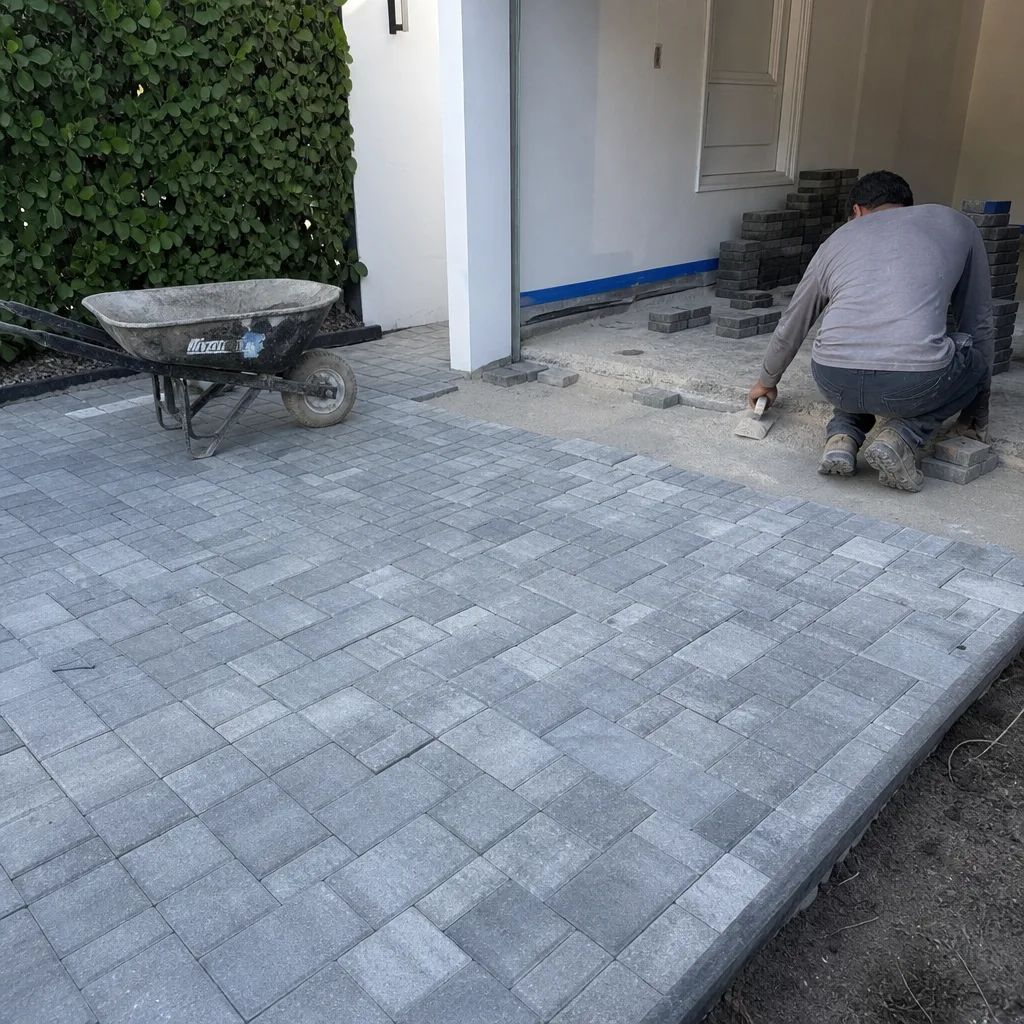 After
After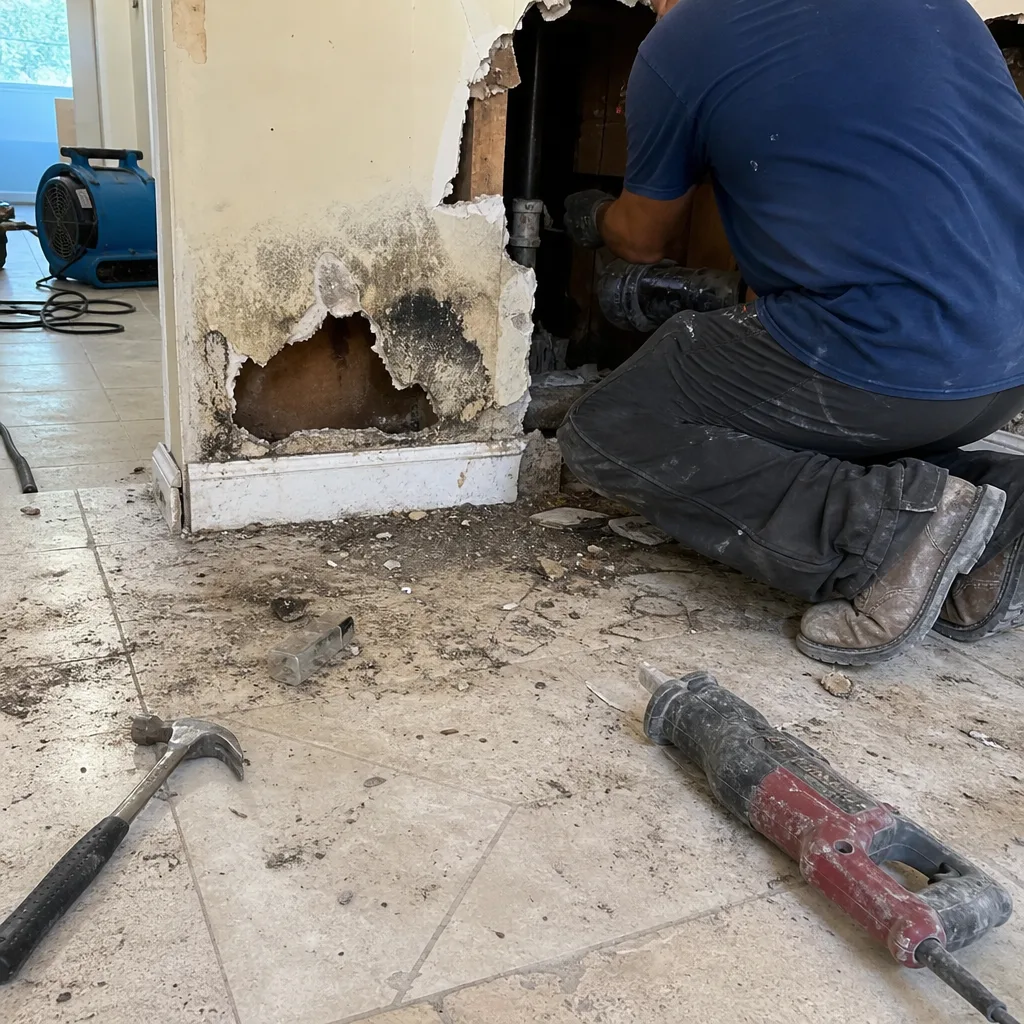 Before
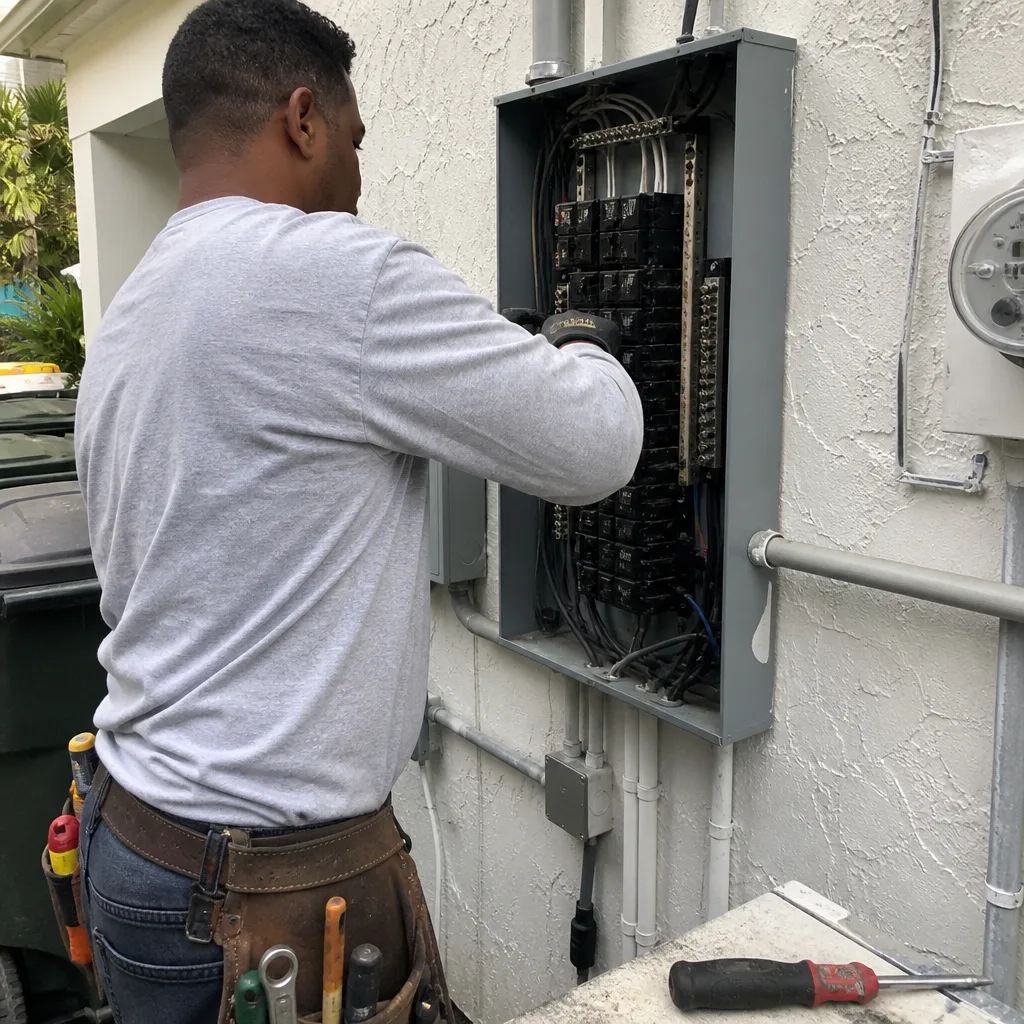 After
AfterReplacement Cost & What’s Included
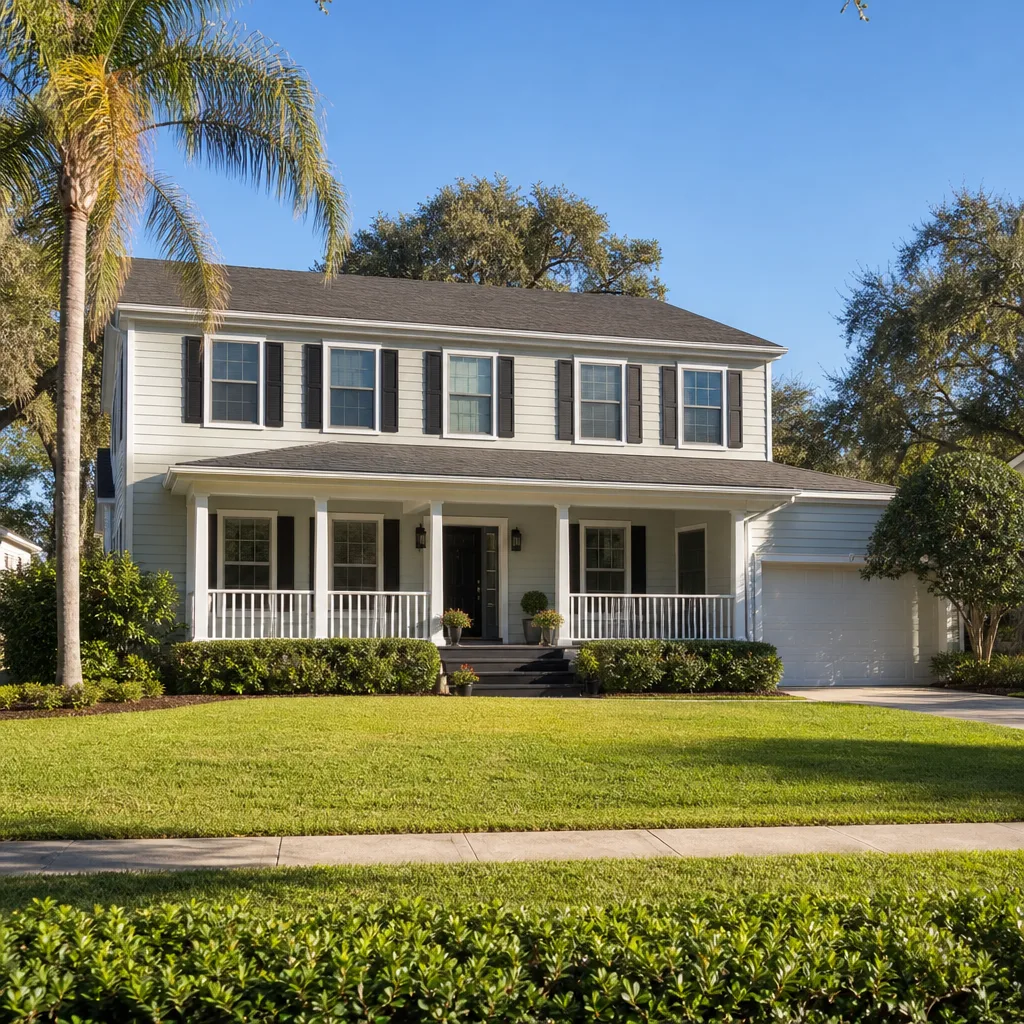
Here’s what we tell Fort Lauderdale homeowners when they ask us to price a CGI-based addition or ADU. A finished home addition runs $45,000 to $130,000. The spread comes down to size, foundation work, roof complexity, and finish level. An ADU with its own kitchen and bath runs $90,000 to $220,000 because it carries a full utility build: sewer tie-in, electrical subpanel, water service, plus all the interior finishes.
Every written price we give includes parts, labor, permits, and the 365-Day Done Right Promise – our written guarantee that covers workmanship for a full year from the completion date. If something fails within that year, we come back and make it right at no charge, no dispute process, no conditions. That’s the Threshold Standard, and it applies to every project we run in Fort Lauderdale.
We’ll also put the garage conversion range on the table if that fits your lot better: $30,000 to $80,000, though most CGI-compatible garage conversions in older Fort Lauderdale neighborhoods come in on the higher end once we open the walls and see what the original builder did.
DIY or Call Us?
You can check a few things yourself. Look for visible water trails on the interior ceiling after a heavy rain. Note whether doors and windows operate smoothly or bind. Check that your permit documents match what’s actually built. Those are safe, useful observations.
What you should not do is attempt structural work on your own. Tying a new roofline into an existing one, cutting into load-bearing walls, pulling electrical through an ADU, or re-flashing a CGI window in a second-story gable – all of that can hurt you or make the problem worse. The dangerous part isn’t obvious until it gives way. We’ve rebuilt too many DIY additions in Fort Lauderdale where the owner found the problem the hard way. If the job involves a ladder, a saw, or a permit, call us at (754) 354-3720 and let’s talk before you open a wall.
FAQs
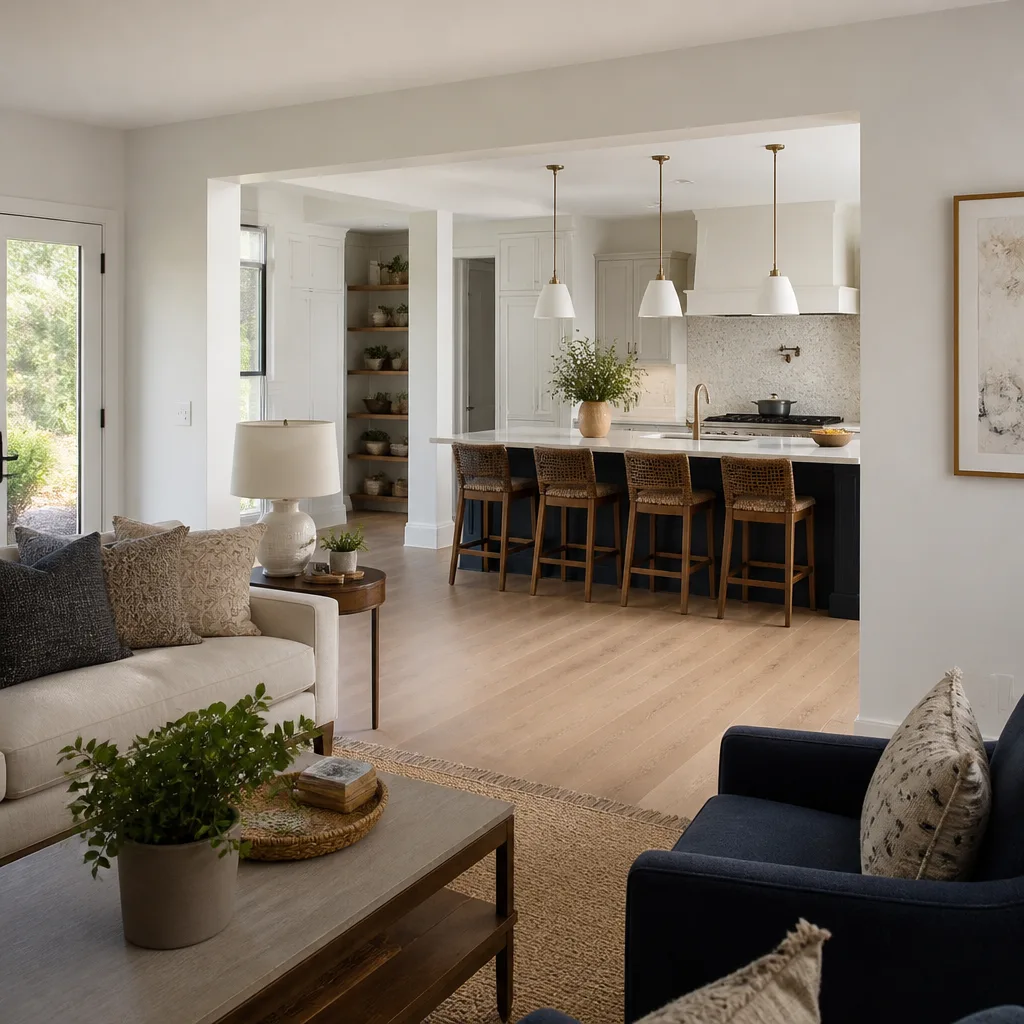
A properly built addition with CGI impact products should last as long as the original structure, with the caveat that South Florida heat, humidity, and salt air will age sealants and exterior trim faster than in other parts of the country. Expect to recaulk window perimeters and repaint exterior trim every 5 to 7 years, and budget for a roof inspection every 3 to 4 years on the addition’s tie-in points. Call (754) 354-3720 and we’ll walk through what your specific addition needs.
Sometimes, but only if the frames are in good structural shape and the glass still carries its NOA approval for current code. We’ve reused CGI units successfully on several Fort Lauderdale additions. The moment a frame shows corrosion or a seal has failed, we recommend replacement – it’s cheaper to do it while the walls are open. We’ll quote both paths so you can make the call with real numbers.
A typical addition runs 3 to 5 months from permit approval to final inspection. An ADU with its own kitchen and bath runs 5 to 8 months. Permit review in Fort Lauderdale is the variable we can’t control, but we handle submittal, corrections, and inspections end to end so you’re not chasing the building department. Call (754) 354-3720 for a schedule estimate on your specific project.
We stock common CGI-compatible flashing, anchors, fasteners, and sill components on our trucks, so a repair visit doesn’t stall out waiting on a parts order. For full window or door replacements, we order from CGI distributors and our pricing is written into your quote before the job starts. We also stock parts for KraftMaid, Cambria, and Silestone product lines when your addition includes cabinetry or stone.
Call (754) 354-3720 to schedule your free estimate. A live person answers, day or night, and your written price comes before any work starts. That’s how we’ve run every Fort Lauderdale addition and ADU project since 2004, and that’s how we’ll run yours.
Written by Isaac Pruett, Owner, Mason Remodeling Co Fort Lauderdale at Mason Remodeling Co Fort Lauderdale, serving Fort Lauderdale and nearby areas.