Free written scope consultation - allowances, timeline, and change-order rules on paper before a single trade is scheduled
Silestone Home Additions & ADU: The Fort Lauderdale Owner’s Guide
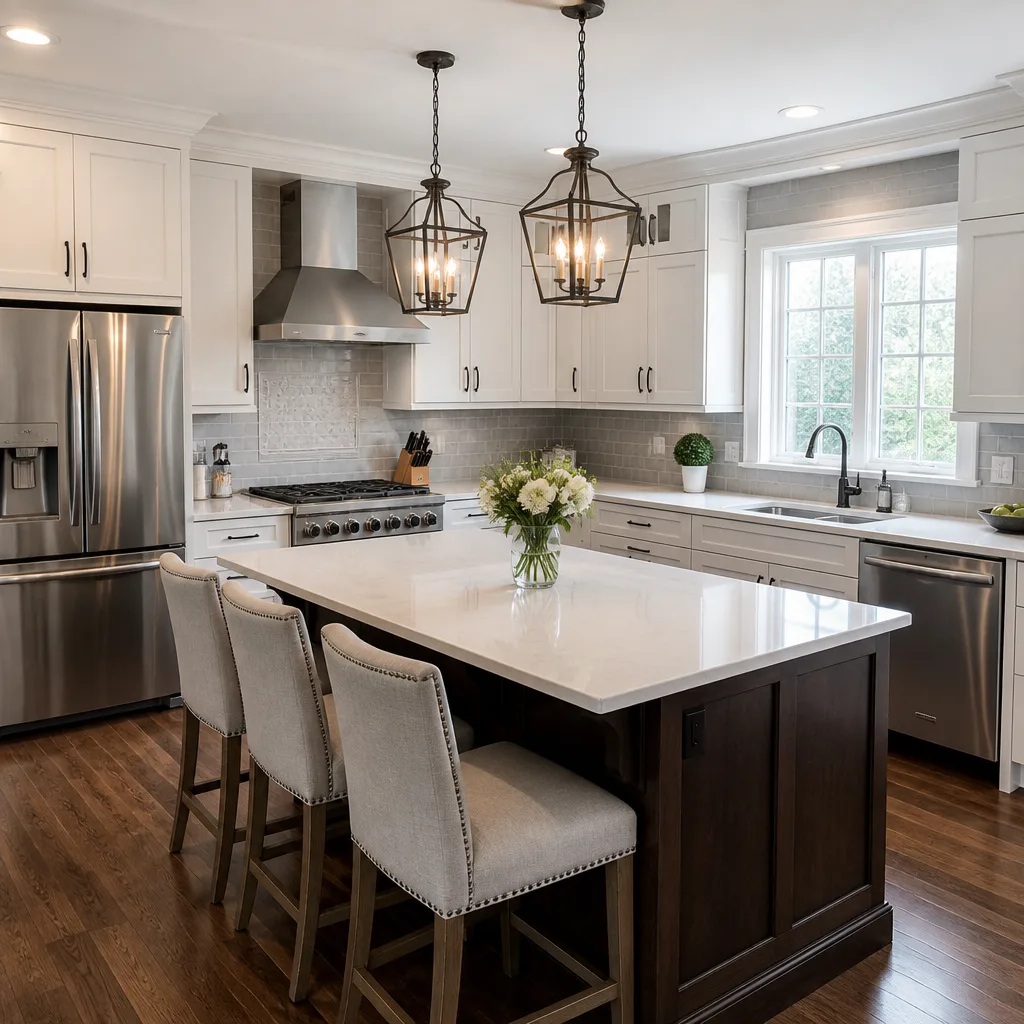
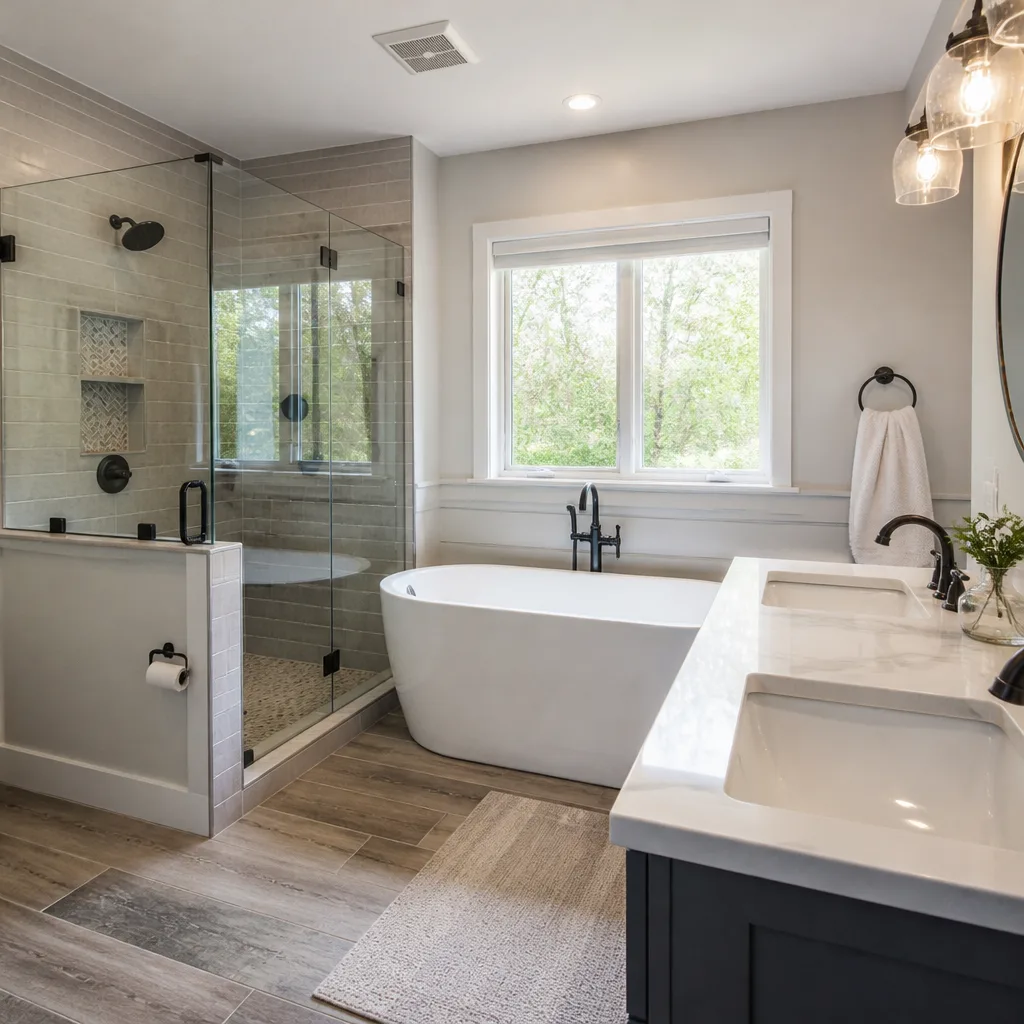
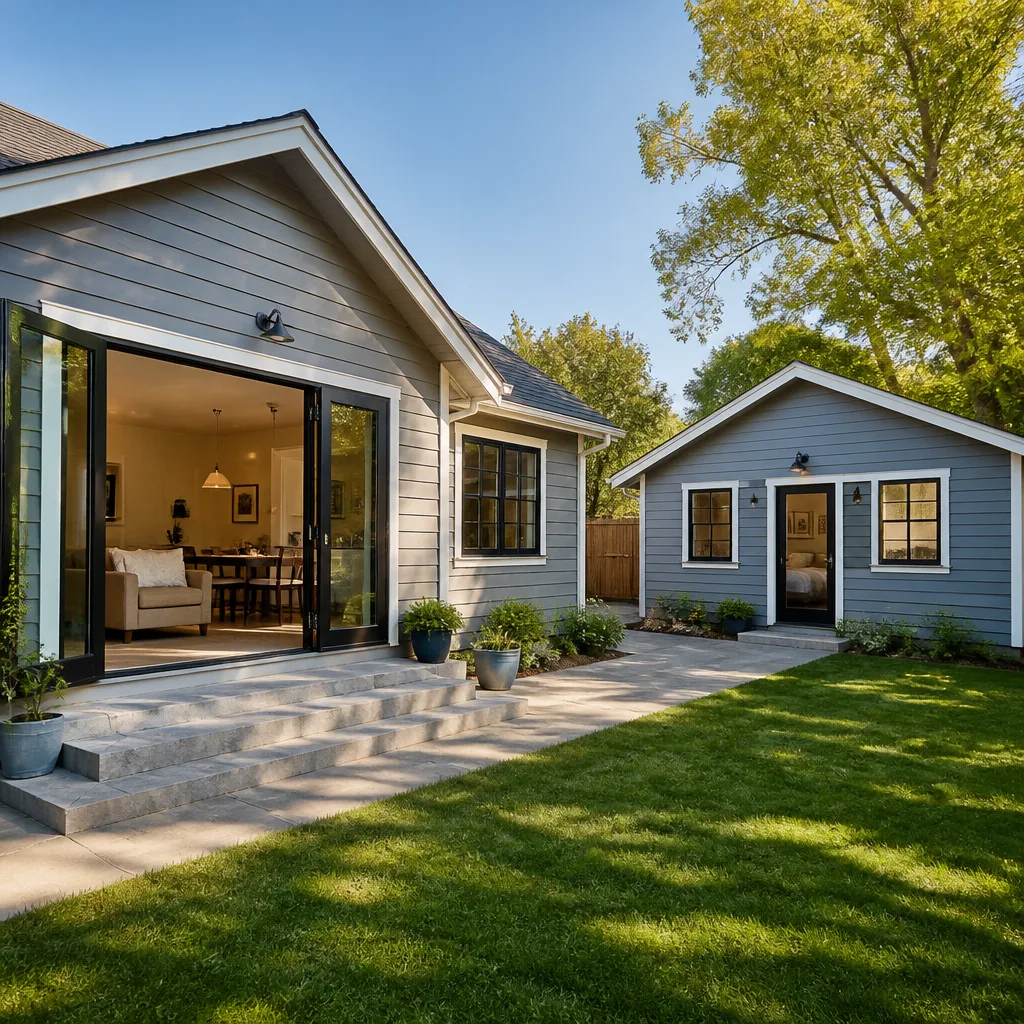
A Silestone home addition or ADU in Fort Lauderdale typically runs $45,000 to $130,000 installed, depending on square footage, site access, and how much custom Silestone surface work you want in the kitchen and bath. We stock Silestone slabs and fabrication materials locally, and we can usually get the design and estimate process moving within a few days of your call. Most homeowners don’t discover a “failed part” in the traditional sense here. What happens instead is the existing structure, countertop substrate, or an earlier surface install starts showing cracks, water damage, or separation that puts the whole addition at risk, and that’s when they realize the original work wasn’t built to handle South Florida humidity.
Which Silestone Models This Applies To
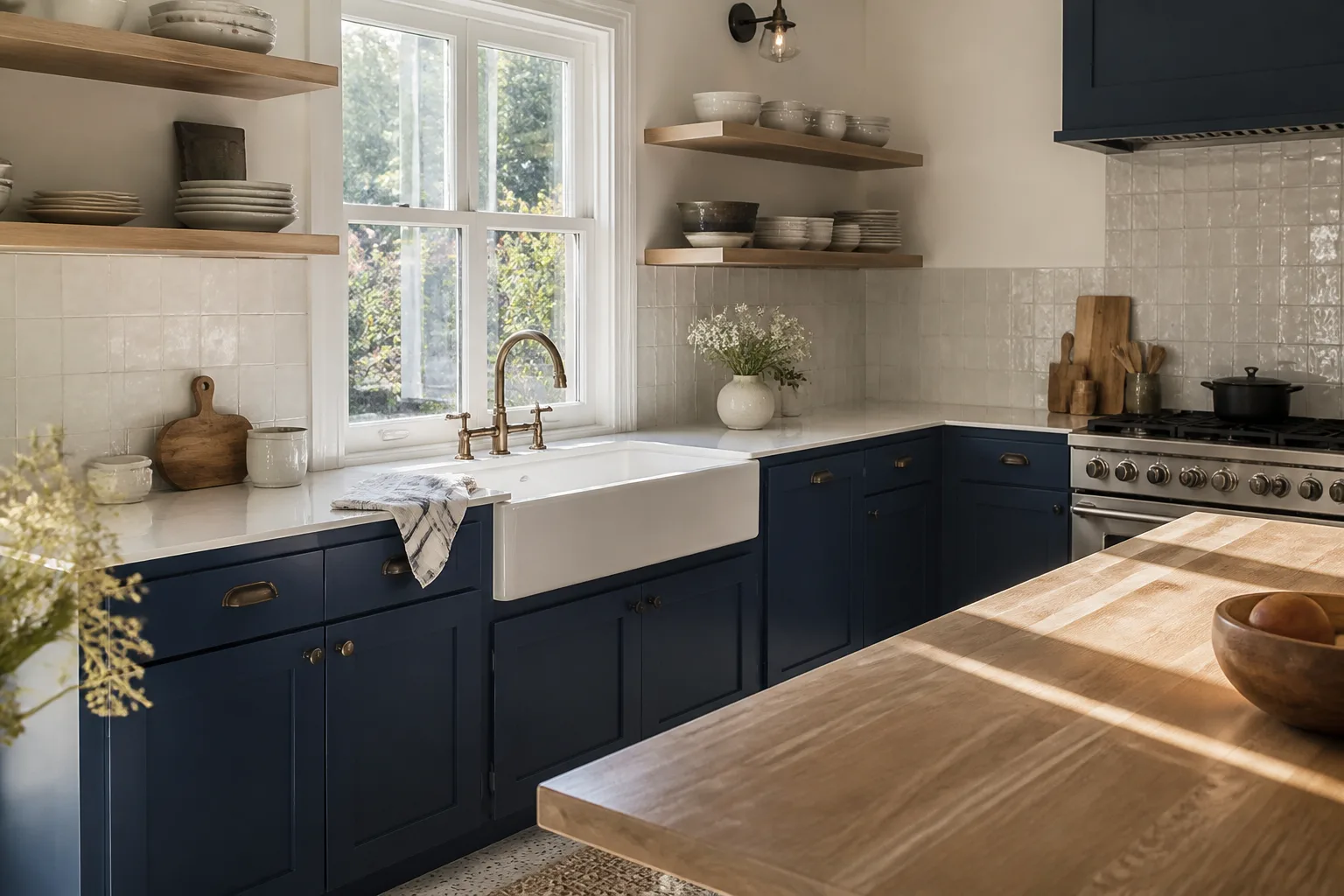
If your Fort Lauderdale addition or ADU has Silestone surfaces, you’re almost certainly working with one of their quartz lines: the Classic series, the N-Boost finish options, or the Suede and polished textures. The gotcha most people hit is assuming every Silestone slab is the same thickness. It isn’t. The standard is 2 cm or 3 cm, and the 2 cm product needs a different substrate and edge profile than the 3 cm. If the original installer used the wrong adhesive or didn’t account for slab weight on cabinet boxes, the surface starts separating at the seams within a few Florida summers. We carry OEM-spec Silestone fabrication materials, but for most repairs the labor matters more than the brand stamp. A quality aftermarket adhesive rated for quartz, applied by someone who actually reads the Silestone installation guide, will outlast a sloppy OEM install every time. We’re an independent service provider, not affiliated with Silestone, which means we stock what works, not what a corporate parts list tells us to.
Styles & brands we work with
Signs Your Silestone Home Additions & ADU Is Failing
- Seam separation at the countertop joints. This almost always traces back to substrate movement. In Fort Lauderdale, the humidity cycles cause cabinet boxes and framing to swell and contract, and if the slab was set on a weak substrate, the seams pop apart within two to three years.
- Hairline cracks radiating from sink or cooktop cutouts. Quartz is tough, but it doesn’t flex. A cutout that wasn’t radiused properly or a cabinet that settled unevenly will transfer stress straight into the slab. We see this in ADU kitchenettes where the original builder skipped reinforcement plates.
- Water staining or darkening at the slab edges. Silestone is non-porous, so this means water is getting behind or under the slab, usually from a failed backsplash seal or an improperly flashed exterior wall on the addition side.
- Cabinet doors no longer closing square. If the floor or foundation of the addition is shifting, the cabinets move with it. The countertop is just along for the ride, but it’ll be the first visible symptom.
- Caulk joints that crack repeatedly within months. One re-caulk is normal settlement. Two or three means the structure behind the surface is moving more than it should, and no amount of silicone fixes a framing problem.
See the difference
 Before
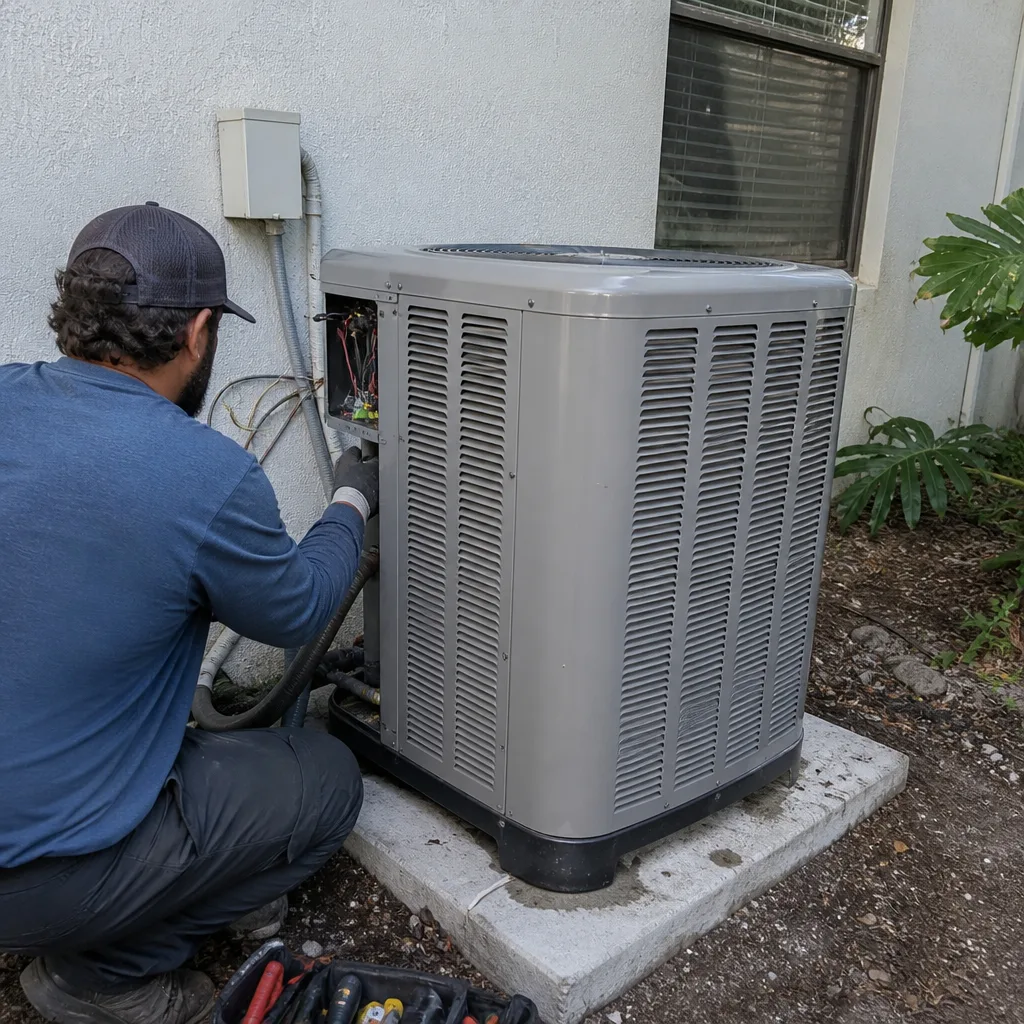 After
After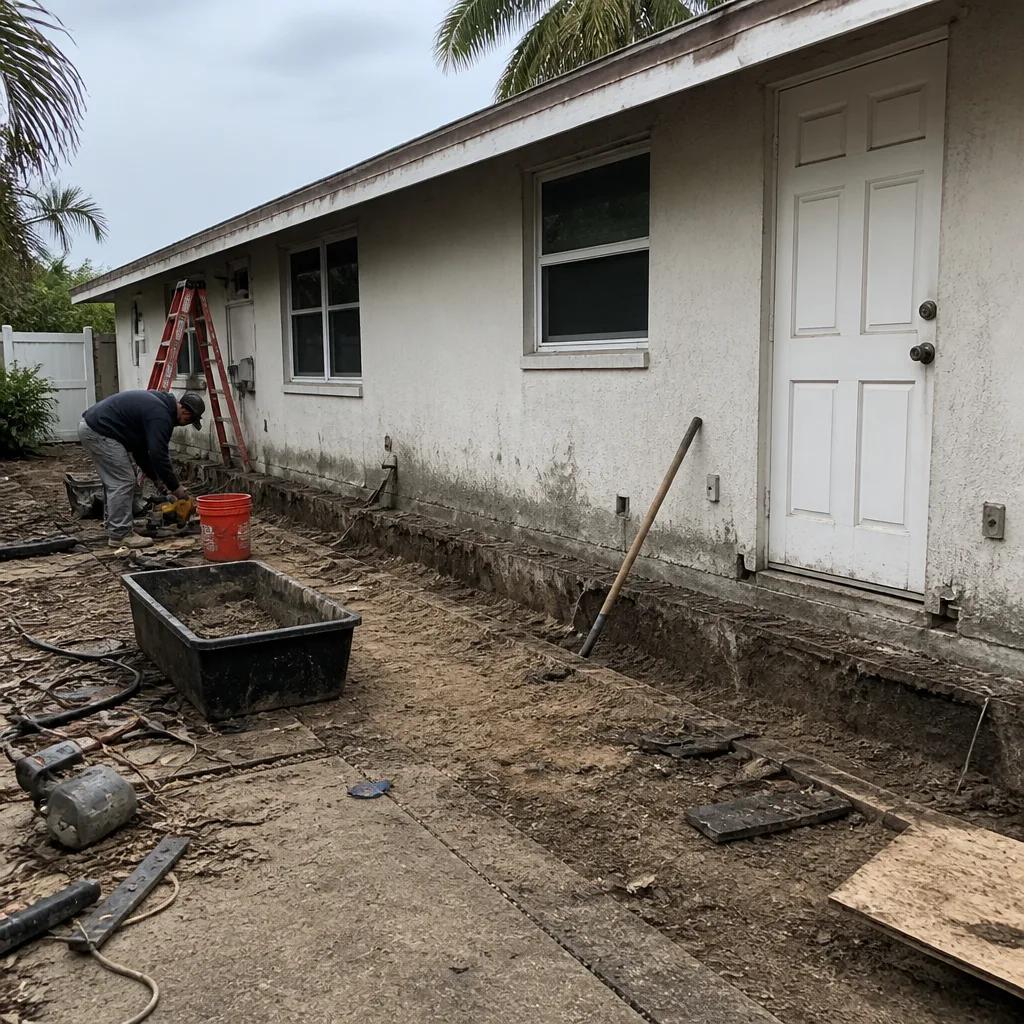 Before
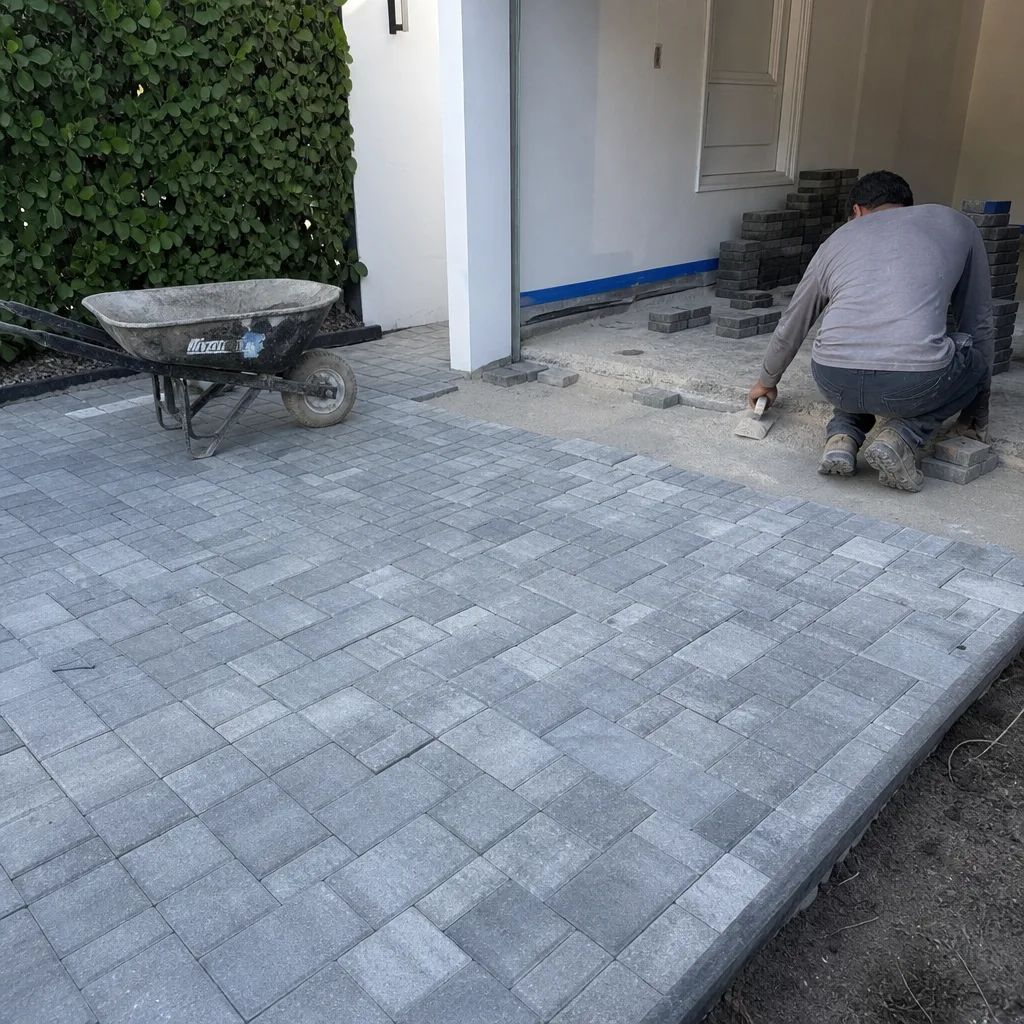 After
After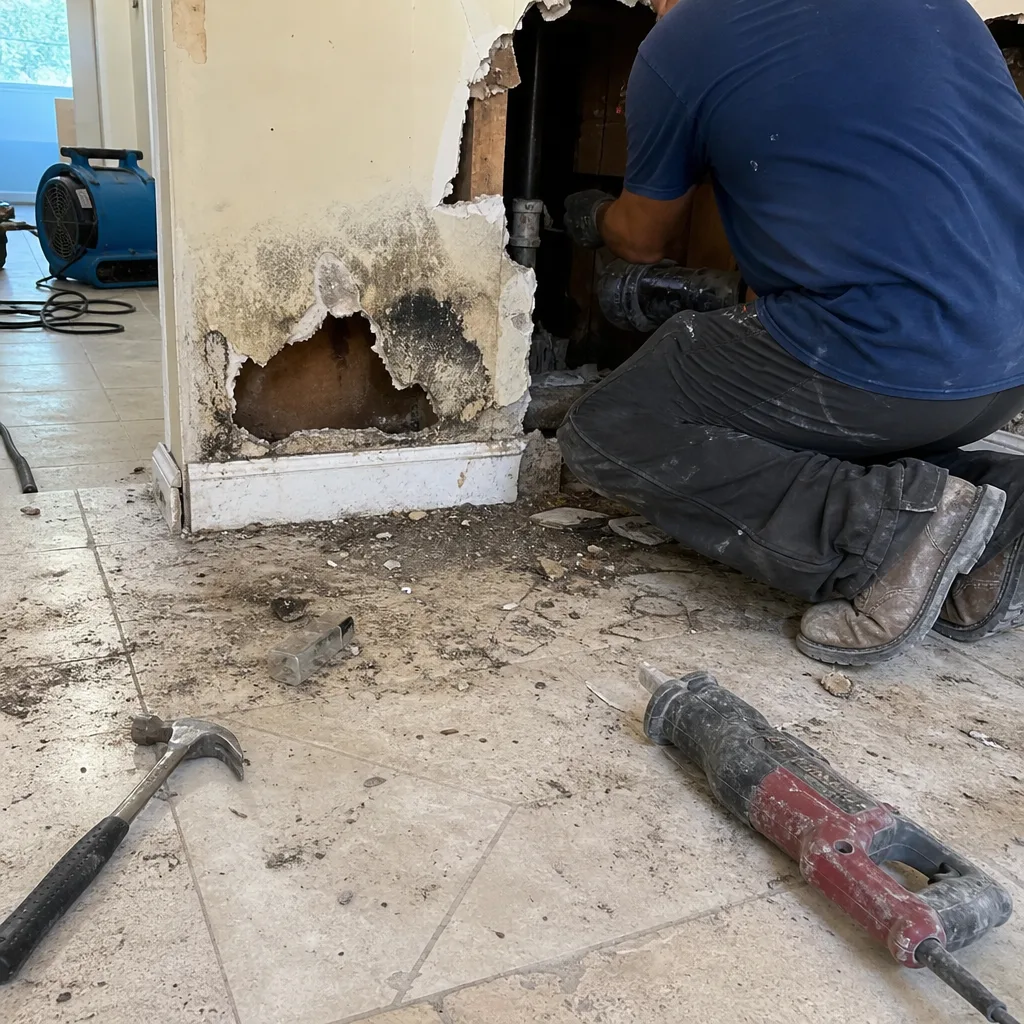 Before
 After
AfterReplacement Cost & What’s Included
For a full home addition with Silestone surfaces, expect $45,000 to $130,000 in Fort Lauderdale. That range covers everything from permit drawings through final inspection, with the Silestone material cost sitting inside it, not stacked on top. What drives the spread: whether you’re adding a single room or a full ADU with kitchen and bath, the condition of the existing foundation and roofline tie-in, and how much site prep your lot needs. A second-story addition runs higher than a ground-floor bump-out because the structural engineering gets heavier. Every quote we give is a written price before work starts. You’ll see the Silestone slab cost, the fabrication, the labor, and the warranty terms broken out line by line. The work itself is covered by our 365-Day Done Right Promise: if something isn’t right within a year of completion, we fix it at no cost.
DIY or Call Us?
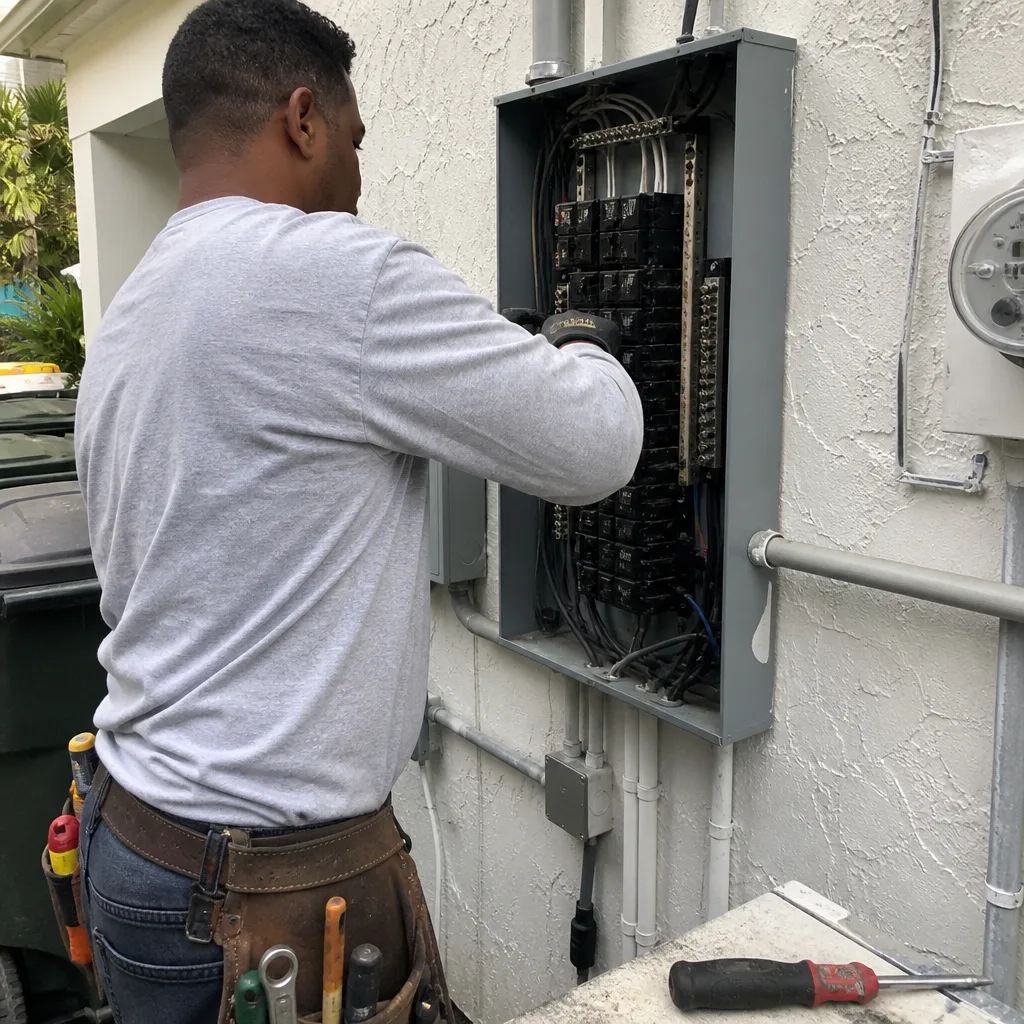
Countertop seam repair and re-caulking are things a careful homeowner can attempt, but here’s the honest caveat: if the seam is separating because the substrate moved, you’re masking a structural problem, not fixing it. And if you’re dealing with cracked quartz near a sink cutout, that slab section usually needs replacement, not patching. The dangerous work in additions and ADUs isn’t the Silestone itself. It’s the framing, electrical, and plumbing work that happens around it. Cutting into load-bearing walls, running new circuits, or tying into existing drain lines without pulling permits creates a safety hazard and an insurance headache. Isaac Pruett has spent the better part of two decades doing this work across South Florida, and he’ll tell you the most expensive jobs are the ones where someone tried to save money upfront. We tell you what we found, what it takes to fix it, and what it will cost, before we touch a thing. If you’re in Fort Lauderdale and want an honest look at your addition or ADU, call (754) 354-3720.
FAQs
A properly installed Silestone surface should last 20 to 30 years, but the Florida climate shortens that if the substrate wasn’t built right. The biggest threat isn’t the quartz itself, it’s the moisture and movement in the structure underneath. With a solid frame and a good install, you’ll get the full lifespan.
Small chips and edge damage can often be filled with color-matched epoxy, but structural cracks, especially around cutouts, usually mean replacing that slab section. Quartz doesn’t flex, so a crack you can feel with a fingernail is going to keep spreading. Call (754) 354-3720 and we’ll give you a straight read on whether repair is worth it.
Most additions run 3 to 6 months from permit approval to final inspection. ADUs with full kitchens and baths trend toward the longer end because the plumbing and electrical rough-in adds weeks. Weather delays are real here, but the single biggest slowdown is permitting, so we handle that paperwork first thing.
We keep common Silestone colors and thicknesses available through our local fabrication partners, but specific slabs are ordered per project. What we do stock is the installation hardware, adhesives, and substrate materials, so the crew isn’t waiting on a supply run mid-job. If you need a specific color, we’ll pull availability before we quote so there are no surprises.
Written by Isaac Pruett, Owner, Mason Remodeling Co Fort Lauderdale at Mason Remodeling Co Fort Lauderdale, serving Fort Lauderdale and nearby areas.